
Introduction
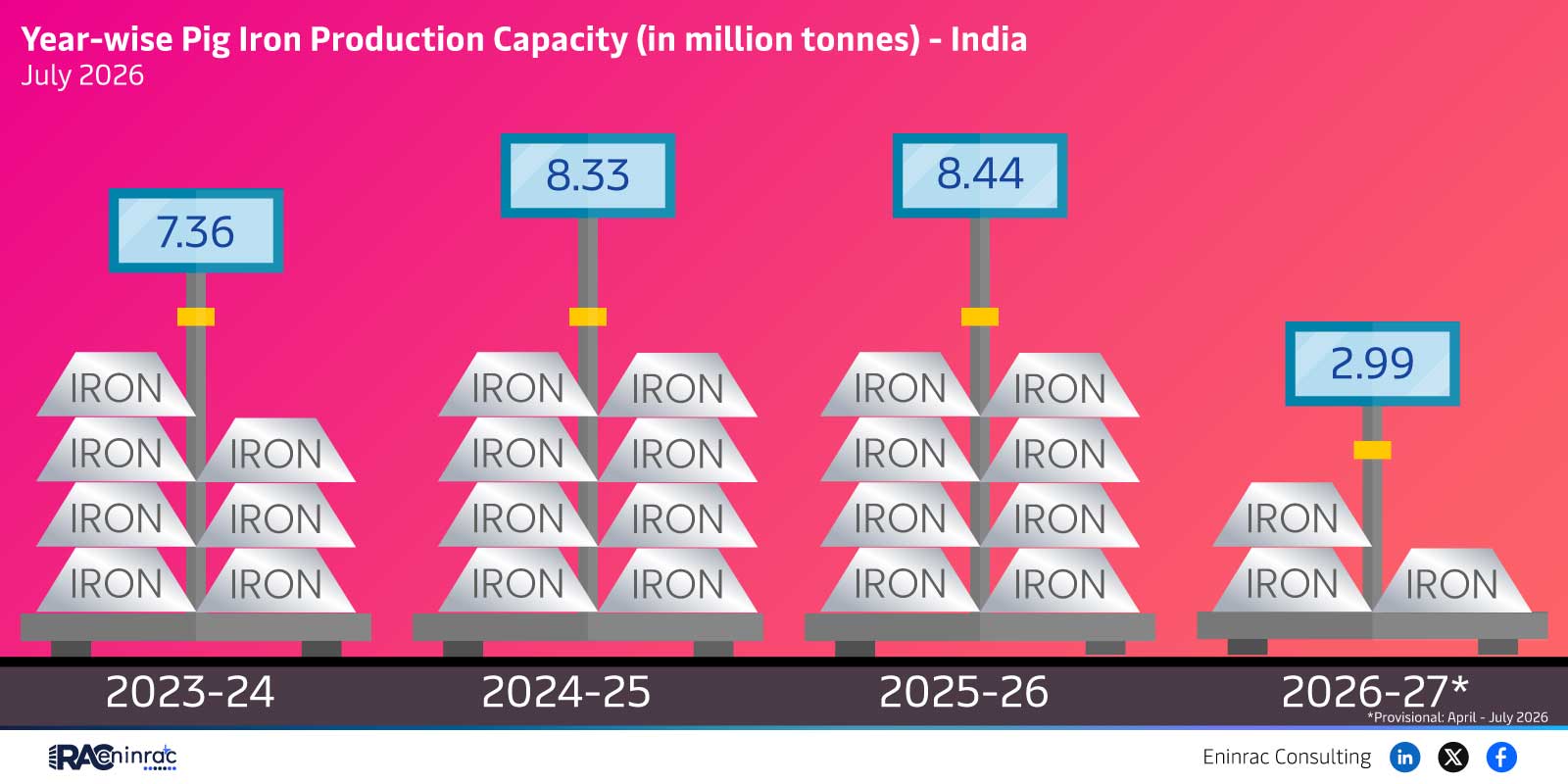
The raw data shows a series of entries centered on the term IRON across multiple fiscal years from 2023‑24 through 2026‑27. Although the entries appear fragmented, they collectively point to recurring references to iron production, pricing cycles, and market reporting periods. Understanding these patterns helps investors, policymakers, and industry leaders gauge the health of the iron market, anticipate supply‑demand shifts, and make informed decisions about future projects and capital allocation.
What Does the Data Reveal About This Topic?
Does the repeated appearance of the word IRON across four consecutive years indicate a sustained focus on iron market analysis? The answer is yes. The data highlights yearly tracking intervals, suggesting that analysts are monitoring iron production volumes, price fluctuations, and sectoral impacts on a regular basis. This consistency underscores the importance of iron as a cornerstone commodity for the steel industry and related manufacturing sectors.
Year‑by‑Year Iron Production and Price Trends
Comparing the segments labeled 2023‑24, 2024‑25, 2025‑26, and 2026‑27 reveals a gradual shift from basic identifiers to more detailed annotations such as “IRON WW IRON” and “nal: April - July 2026”. Early years focus on simple counts, while later entries incorporate geographic cues (WW for worldwide) and specific reporting windows. This evolution suggests that the iron market moved from high‑level reporting toward granular regional analysis, reflecting growing investor interest and the need for precise forecasting.
Impact on Sectors and Industries
The iron market directly influences the steel industry, construction, automotive manufacturing, and infrastructure development. When iron prices rise, steel producers face higher input costs, which can lead to increased product prices and delayed projects. Conversely, stable or declining iron costs enable competitive pricing for downstream manufacturers and can stimulate capital projects in emerging economies. Policymakers monitor these trends to adjust trade tariffs, while investors use the data to allocate funds across commodity funds, mining stocks, and infrastructure bonds.
Key Takeaways
- Consistent yearly tracking indicates heightened focus on iron market performance.
- Data shifts from basic identifiers to nuanced regional and temporal details.
- Global iron supply trends are becoming more transparent through detailed reporting.
- Price volatility in the iron market directly impacts steel‑related industries.
- Investors can leverage iron market insights for diversified commodity strategies.
- Policymakers use iron trends to shape trade and environmental regulations.
FAQs
Why is the iron market critical for the global economy?
Iron is the primary raw material for steel, which underpins construction, transportation, and manufacturing, making its availability and price vital for economic stability.
How often are iron market reports typically published?
Industry analysts usually release iron market reports quarterly, with supplemental updates during major price swings or supply disruptions.
What factors drive iron price fluctuations?
Key drivers include mining output, geopolitical tensions, trade policies, energy costs, and demand from the steel sector.
Can investors benefit from tracking iron market trends?
Yes, by analyzing production data and price forecasts, investors can identify profitable positions in mining equities, commodity ETFs, and related infrastructure projects.
What is the outlook for the iron market through 2026‑27?
The outlook suggests gradual demand growth driven by infrastructure projects, with price stability expected as supply chains adapt to renewable energy transitions and new mining technologies.