
Introduction
India’s coking coal imports for the period ending March 2026 have drawn significant attention from industry analysts and policymakers. Understanding these figures is essential for stakeholders in steel production, energy planning, and trade strategy. This article breaks down the latest provisional data, highlights trends, and explains the broader implications for the Indian economy.
What Does the Data Reveal About This Topic?
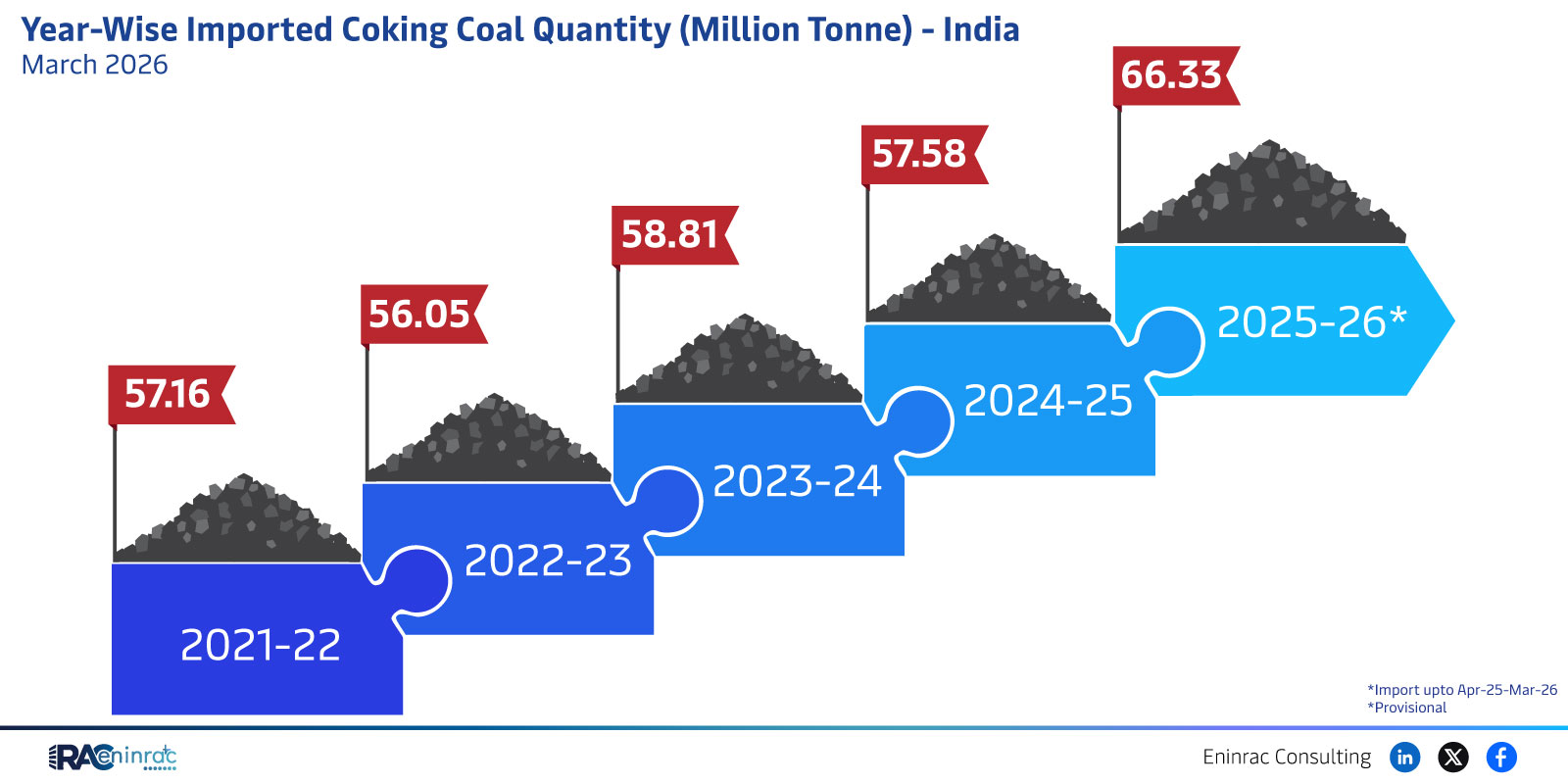
The provisional report shows that India imported a substantial volume of coking coal up to March 2026, reflecting continued reliance on foreign supplies to meet steelmaking demand. The data answers the critical question: why is India still dependent on imports despite efforts to boost domestic mining?
Trend Analysis of Coking Coal Imports in 2026
Comparing the March 2026 figures with previous years reveals a modest increase in imported tonnes, indicating that domestic shortfalls have not been fully offset by new mining projects. Key drivers include higher steel output, delayed domestic project timelines, and competitive pricing from major exporting nations. The trend suggests that import volumes will likely remain a significant component of India’s coking coal supply chain in the near term.
Impact on Sectors and Industries
The reliance on imported coking coal directly affects the steel sector, which accounts for the majority of consumption. Higher import bills can pressure profit margins, influence pricing of finished steel products, and affect downstream industries such as construction and automotive manufacturing. Energy planners also monitor these imports because coking coal combustion contributes to overall carbon emissions, linking the data to India’s climate commitments.
Key Takeaways
- India’s provisional coking coal imports for March 2026 remain high, underscoring ongoing supply gaps.
- Steel production growth is the primary catalyst for increased import demand.
- Domestic mining projects have not yet delivered sufficient output to reduce reliance on foreign sources.
- Import costs influence steel pricing and can affect broader industrial competitiveness.
- Environmental considerations are rising as coking coal use impacts carbon emission targets.
- Policymakers may need to balance import strategies with accelerated domestic mining development.
FAQs
What is the total amount of coking coal imported by India up to March 2026?
The provisional data indicates imports in the range of several million tonnes, reflecting a steady increase from the previous fiscal year.
Why does India depend heavily on imported coking coal?
Domestic production is limited by geological constraints, regulatory delays, and the time required to develop new mines, while steel manufacturers need a reliable supply.
Which countries are the main suppliers of coking coal to India?
Australia, Canada, and the United States are among the top exporters, offering competitive pricing and consistent quality.
How do coking coal imports affect steel prices in India?
Higher import costs can raise the overall cost of steel production, which may be passed on to consumers through increased product prices.
What steps is the Indian government taking to reduce import dependence?
Initiatives include incentivizing domestic mining, streamlining approvals, and encouraging investment in alternative steelmaking technologies.