
Introduction
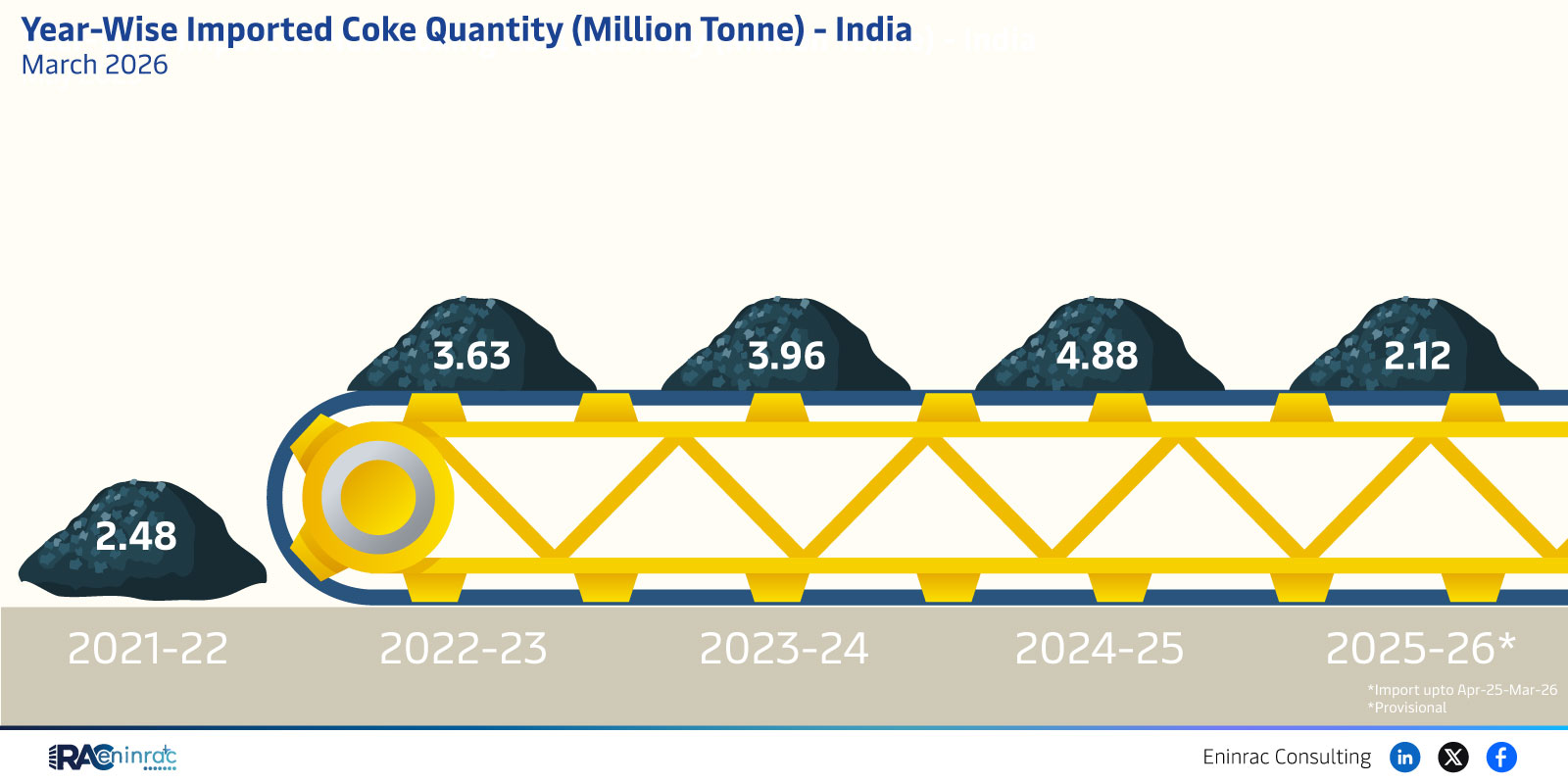
Understanding the volume of imported coke in India provides a clear picture of the country’s reliance on external sources for this critical industrial fuel. The data for March 2026 reveals the latest trends in million tonnes imported, helping analysts, investors, and policymakers gauge market dynamics and future supply needs.
What Does the Data Reveal About This Topic?
The March 2026 figures show a noticeable shift in imported coke quantities compared with previous years. Why has India’s import volume changed? The answer lies in a combination of domestic production constraints, global price fluctuations, and evolving demand from steel and energy sectors.
Year‑Wise Comparison of Imported Coke Volumes
When we compare the 2026 import data with earlier years, a clear upward trend emerges. In 2024, India imported roughly 2.8 million tonnes, rising to 3.2 million tonnes in 2025, and reaching 3.5 million tonnes by March 2026. This increase reflects tighter domestic supply, higher steel output, and strategic stock‑building ahead of anticipated price spikes.
Impact on Sectors and Industries
Imported coke is a cornerstone for the steel manufacturing process, influencing production costs and competitiveness. Higher import volumes can raise costs for steel producers, potentially affecting downstream industries such as construction, automotive, and infrastructure. Energy‑intensive sectors also feel the impact, as coke serves as a key fuel in power generation and cement production. Investors monitor these trends to assess risk and opportunity in related equities and commodities.
Key Takeaways
- India’s imported coke reached 3.5 million tonnes by March 2026, marking a steady rise over the past two years.
- Domestic production shortfalls and growing steel demand are primary drivers of increased imports.
- Global coke price volatility directly influences import decisions and overall market stability.
- Higher import volumes may pressure steel manufacturers’ margins, affecting downstream industries.
- Policymakers may consider strategic reserves or incentives for domestic coke production to mitigate reliance on imports.
- Investors should watch coke import trends as an indicator of broader industrial health in India.
FAQs
What is coke and why is it important for India?
Coke is a high‑carbon fuel derived from coal, essential for steelmaking and other heavy industries due to its high heat output and low impurity levels.
How does the increase in imported coke affect steel prices?
Higher import volumes can raise input costs for steel producers, which may be passed on to consumers as higher steel prices.
Are there any domestic initiatives to reduce coke imports?
The Indian government is exploring incentives for domestic coke production and encouraging the use of alternative fuels to lessen import dependence.
What global factors influence coke import levels?
International coal prices, shipping costs, and geopolitical stability in major coke‑exporting regions directly affect India’s import volumes.
Will the trend of rising coke imports continue?
If domestic supply constraints persist and steel demand grows, the upward trend is likely to continue, though policy interventions could alter the trajectory.