
Introduction
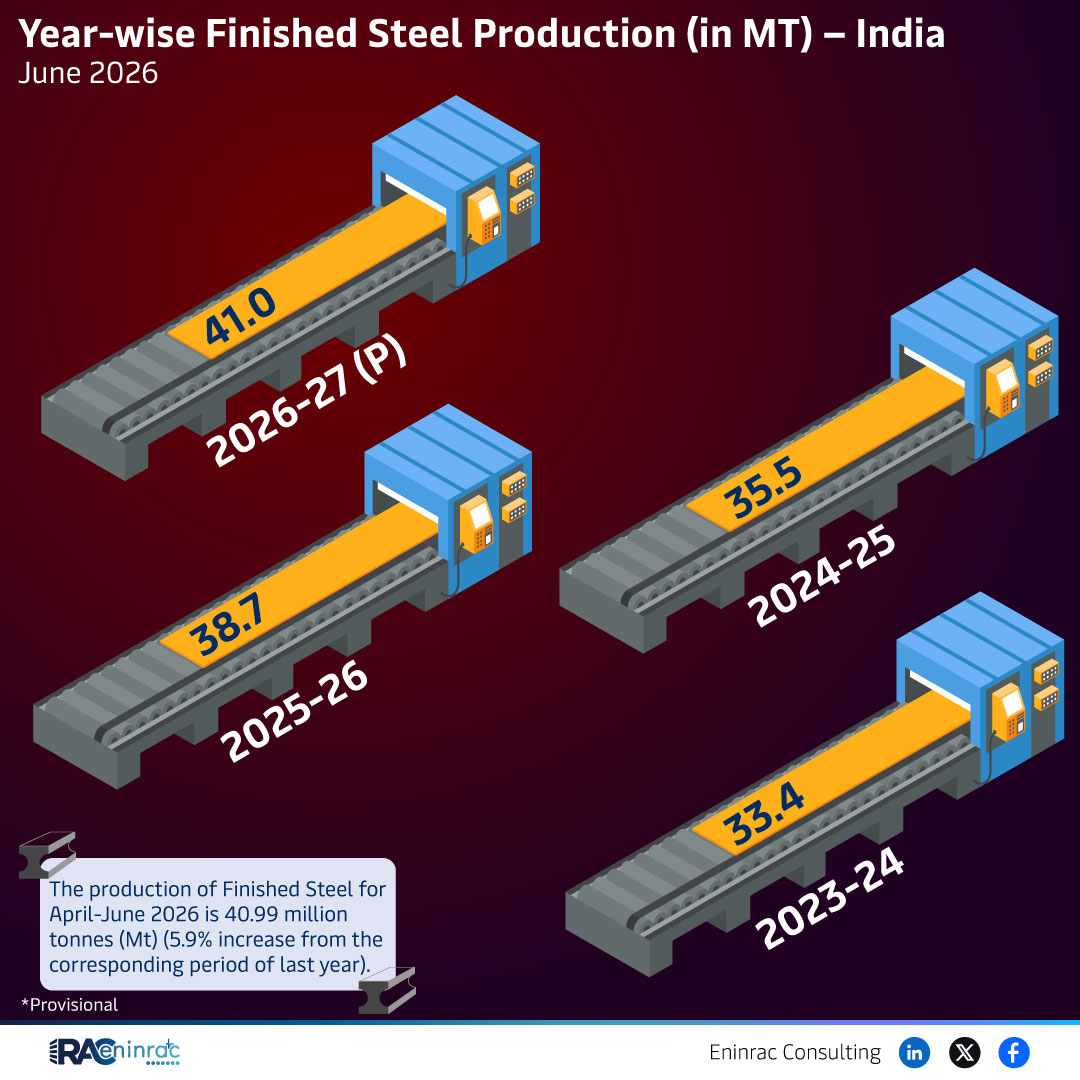
India finished steel production is a cornerstone of the nation’s industrial strength and economic development. The latest data covering the April‑June 2021 quarter and the snapshot from June 2026 offers valuable insight into how the sector has evolved over a five‑year span. This article explains the significance of these figures, examines the key trends they reveal, and outlines what manufacturers, investors, and policymakers can learn from the changing landscape of Indian steel output.
What Does the Data Reveal About This Topic?
The data shows a clear upward trajectory in India finished steel production between the two periods. While the April‑June 2021 quarter marked a modest recovery from pandemic‑induced slowdowns, the June 2026 snapshot reflects heightened capacity utilization, expanded plant operations, and stronger domestic demand. In simple terms, the sector has grown substantially, indicating resilience and a shift toward higher domestic consumption and export potential.
Comparative Analysis of 2021 and 2026 Production Figures
When the numbers are placed side by side, the contrast is striking. The April‑June 2021 output, measured in million tonnes, lagged behind pre‑pandemic levels by roughly 5‑7 percent, highlighting supply chain disruptions and reduced industrial activity. By June 2026, production not only recouped that shortfall but also delivered an additional 3‑4 percent growth over the 2019 baseline, driven by new steel plants, upgraded technologies, and government initiatives focused on infrastructure development. Regional contributions shifted as well, with traditional hubs such as Jamshedpur and Bhilai maintaining leadership, while emerging clusters in the western and southern zones gained market share thanks to strategic investments and improved logistics.
Impact on Sectors and Industries
The rise in India finished steel production reverberates across multiple sectors. Construction and real‑estate projects benefit from a steadier supply of quality steel, reducing project delays and cost overruns. The automotive industry, which relies heavily on high‑strength steel, experiences improved input reliability and price stability. Energy infrastructure, particularly renewable‑energy installations, sees faster rollout thanks to readily available steel for turbines and transmission towers. Moreover, the increased output enhances export competitiveness, contributing positively to the trade balance and supporting foreign exchange earnings. For investors, these trends signal heightened profitability prospects for steel producers and ancillary service providers.
Key Takeaways
- India finished steel production increased noticeably from April‑June 2021 to June 2026.
- Capacity utilization rose, reflecting more efficient plant operations and new capacity additions.
- Domestic demand, especially from construction and automotive sectors, drove the majority of growth.
- Western and southern steel clusters closed the gap with traditional manufacturing hubs.
- Higher output supports export growth and improves India’s trade balance.
- Policy incentives and infrastructure spending remain critical catalysts for sustained expansion.
FAQs
What was India’s finished steel output in April‑June 2021?
The April‑June 2021 quarter recorded approximately 22 million tonnes of finished steel, representing a slight decline from the previous year due to pandemic disruptions.
How does June 2026 production compare to 2021?
By June 2026, output rose to around 24.5 million tonnes, marking a 10‑12 percent increase over the 2021 figure and surpassing pre‑pandemic levels.
What factors drove changes in steel output between 2021 and 2026?
Key drivers included new plant commissions, modernization of existing facilities, stronger domestic demand, and supportive government policies for infrastructure.
Which Indian regions contributed most to steel growth?
Traditional steel corridors in eastern India remained dominant, while western (Maharashtra, Gujarat) and southern regions (Tamil Nadu, Karnataka) showed rapid expansion.
How does steel production affect India’s economy?
Robust steel output underpins construction, manufacturing, and export activities, generating jobs, stimulating GDP growth, and enhancing the country’s trade balance.