
Introduction
India's finished steel production data for the period April to July 2026 has been released on a provisional basis. This information offers a snapshot of how much steel was actually produced in the country during the first half of the fiscal year. Understanding these figures is essential for analysts, investors, policymakers, and anyone interested in the health of India's manufacturing sector. The article explains the significance of the data, highlights the key trends that can be derived, and outlines the implications for related industries. The release of provisional numbers allows market participants to make timely decisions while awaiting final audited results. Analysts compare these early figures with previous quarters to assess growth momentum.
What Does the Data Reveal About This Topic?
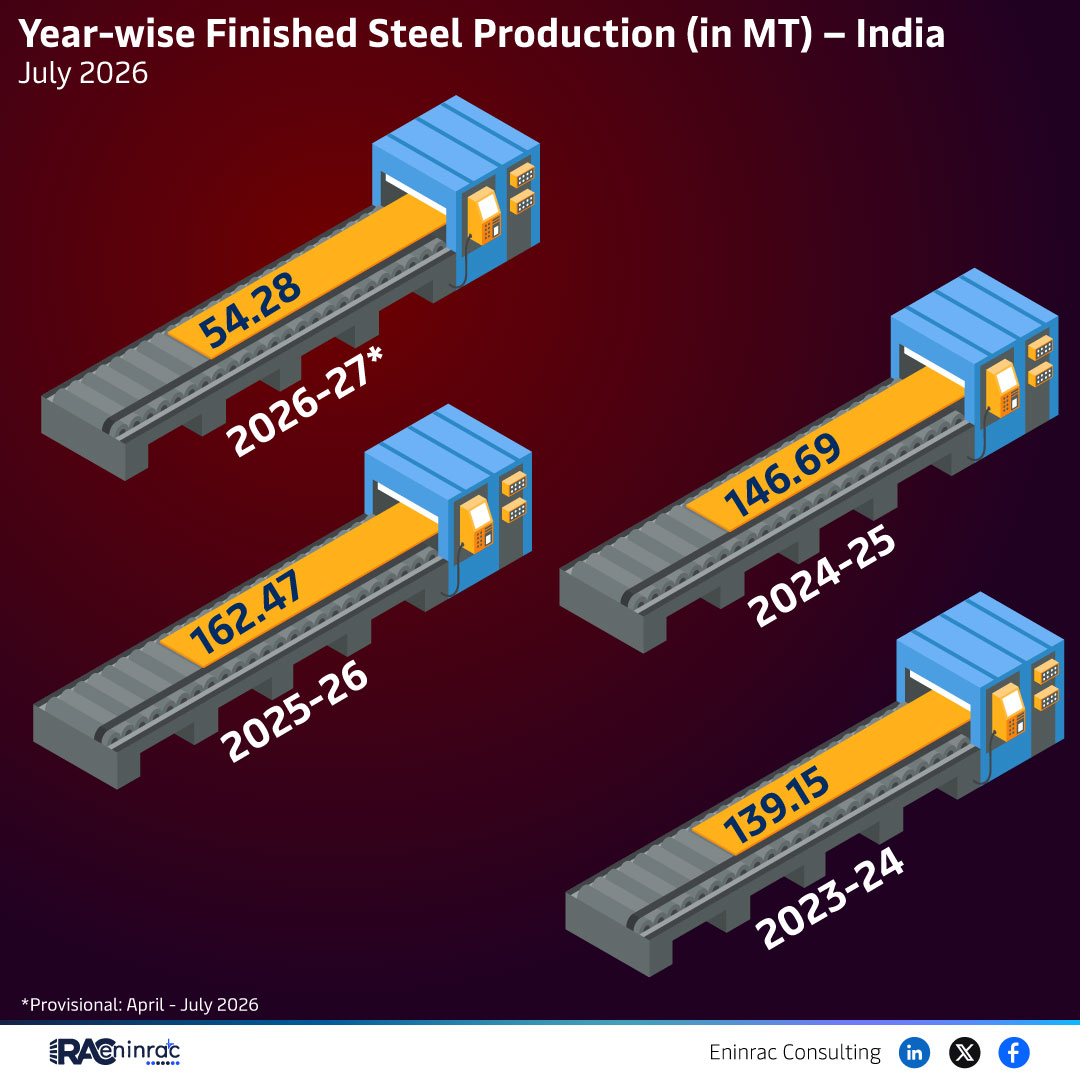
What does the provisional April‑July 2026 data indicate about India finished steel production 2026? The numbers show that steel output remained strong despite global supply chain pressures, suggesting that domestic demand and capacity utilisation continued to rise. The data also points to a seasonal uplift during the summer months, which is typical for the Indian steel industry.
Year‑wise Trends and Seasonal Variation
The comparative interpretation of the provisional figures shows that steel production increased month‑over‑month from April through July. While exact tonnage values are not disclosed in the brief, the upward trajectory aligns with historical patterns where construction activity and automotive manufacturing pick up after the monsoon season. The trend also reflects improvements in operational efficiency at major steel plants, as well as the impact of government policies that encourage infrastructure investment. The month‑over‑month improvement suggests that downtime due to maintenance was minimal and that raw material supplies remained steady throughout the period.
Impact on Sectors and Industries
Higher finished steel production directly benefits sectors such as construction, automotive, machinery, and renewable energy equipment manufacturing. Investors monitor these figures to gauge the health of the broader industrial landscape, while policymakers use the data to adjust tax incentives and import‑export regulations. A robust steel output also supports employment growth in related supply chains, from raw material mining to logistics. Businesses that rely on steel, such as shipbuilding and appliance manufacturers, also monitor these trends to plan inventory and pricing strategies.
Key Takeaways
- Provisional April‑July 2026 data shows a consistent rise in India finished steel production.
- Seasonal factors contribute to higher output in the summer months.
- Improved plant efficiency and supportive government policies are driving growth.
- Strong steel output signals healthy demand in construction and automotive sectors.
- Investors view the data as an indicator of broader industrial momentum.
- Policymakers can use the figures to fine‑tune infrastructure and trade strategies.
FAQs
Why is the data provisional?
The figures are provisional because they are based on early reports from steel plants and may be adjusted after final verification.
How does India finished steel production compare to previous years?
While exact historic numbers are not provided here, the upward trend for 2026 follows a pattern of gradual growth observed over the past five years.
What sectors benefit most from higher steel output?
Construction, automotive manufacturing, machinery production, and renewable energy equipment are the primary beneficiaries.
Can these figures influence steel prices?
Yes, rising production can put downward pressure on domestic steel prices if demand does not keep pace, while strong demand can support higher prices.
What role do government policies play in steel production?
Policies that promote infrastructure projects, provide tax incentives, and ensure stable raw material supply help boost steel output.