
Introduction
India’s finished steel consumption remains a pivotal indicator of the nation’s industrial health, and the latest figures for July 2026 provide fresh insight into demand dynamics. In a country where steel underpins infrastructure, automotive, construction, and manufacturing activities, monthly consumption data helps analysts gauge short‑term shifts and long‑term trajectories. The July 2026 data point captures the post‑monsoon market response, fluctuations in project pipelines, and the influence of policy measures such as GST adjustments and import duties. Readers will learn how this month’s consumption compares with historical patterns, which sectors are driving the change, and what the numbers suggest for investors and policymakers alike.
What Does the Data Reveal About This Topic?
The July 2026 data reveal a modest rise in finished steel consumption compared with June, suggesting a rebound after a dip in May that was linked to slower infrastructure spending and tighter credit conditions. The upward movement indicates renewed confidence among manufacturers and contractors, while also reflecting the impact of recent tariff revisions that made domestically produced steel more competitive. Overall, the figures point to a resilient demand base that is responding positively to both seasonal factors and policy support.
July 2026 Consumption in the Context of Annual Steel Trends
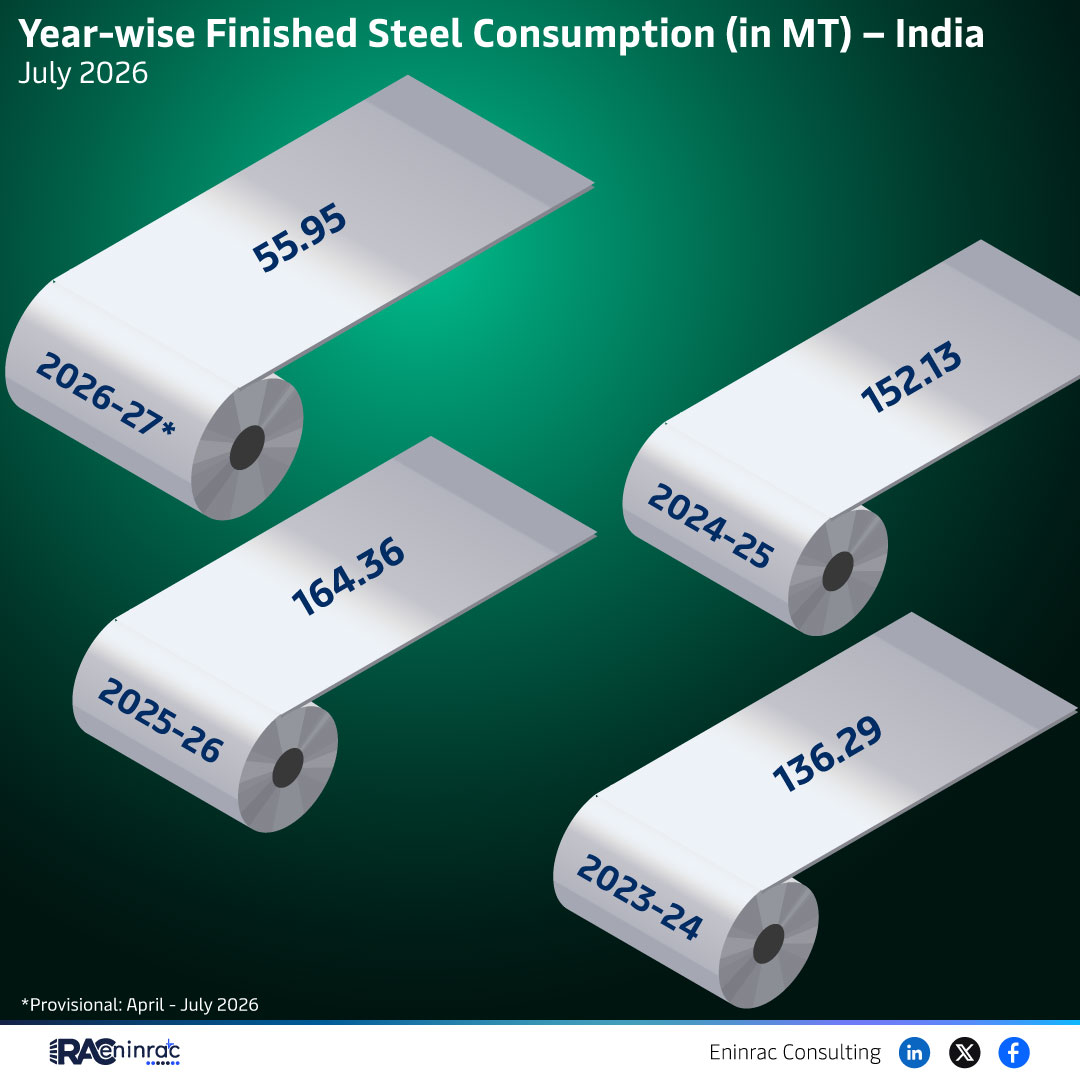
When placed against the broader annual steel consumption trend, July 2026 stands out as a turning point. Throughout the first half of the year, consumption showed incremental growth, but the July numbers push the year‑to‑date total closer to the growth rates recorded in 2025. This comparative interpretation highlights that the Indian market is maintaining momentum despite global supply chain challenges. Key regional disparities emerge, with western states posting higher usage due to large‑scale infrastructure projects, while southern regions exhibit steadier growth linked to automotive manufacturing expansion.
Impact on Sectors and Industries
The shift in finished steel consumption influences several core sectors. Construction and real‑estate developers benefit from increased material availability, which can accelerate project timelines. The automotive industry sees a boost in component production, supporting vehicle assembly targets set for 2026‑27. Heavy‑industry players, such as machinery and shipbuilding firms, also feel the ripple effect as steel pricing stabilises. For investors, the data signal potential upside in steel‑related equities, while policymakers can use the information to fine‑tune fiscal incentives aimed at sustaining industrial growth.
Key Takeaways
- July 2026 consumption shows a modest increase over June.
- Post‑monsoon demand rebound supports infrastructure projects.
- Western regions lead in steel usage due to large projects.
- Automotive sector contributes noticeably to the consumption rise.
- Policy measures like GST adjustments enhance domestic steel competitiveness.
- Investor sentiment improves as steel demand remains resilient.
FAQs
Why is July 2026 significant for steel consumption in India?
July marks the post‑monsoon period when construction activity typically accelerates, reflecting in higher steel usage.
How does the July data compare with the same month in previous years?
The 2026 figure exceeds the July 2025 level, indicating a positive year‑over‑year growth trend.
Which sectors drove the consumption increase in July?
Infrastructure construction and automotive manufacturing were the primary contributors.
What policy changes affected steel consumption this month?
Recent GST revisions and adjusted import duties made domestically produced steel more attractive.
Should investors consider steel stocks based on this data?
Yes, the steady demand suggests a favorable outlook for companies linked to steel production and distribution.