
Introduction
India’s finished steel production for the April‑July 2026 quarter has been released as a provisional estimate. This data point is critical for analysts, investors, and policymakers because steel underpins infrastructure, automotive, construction, and manufacturing sectors. Understanding the provisional output helps gauge economic momentum, assess demand‑side pressures, and anticipate future policy adjustments. In this article we examine what the provisional figures indicate, compare them with past periods, and explore the broader implications for India’s industrial landscape.
What Does the Data Reveal About This Topic?
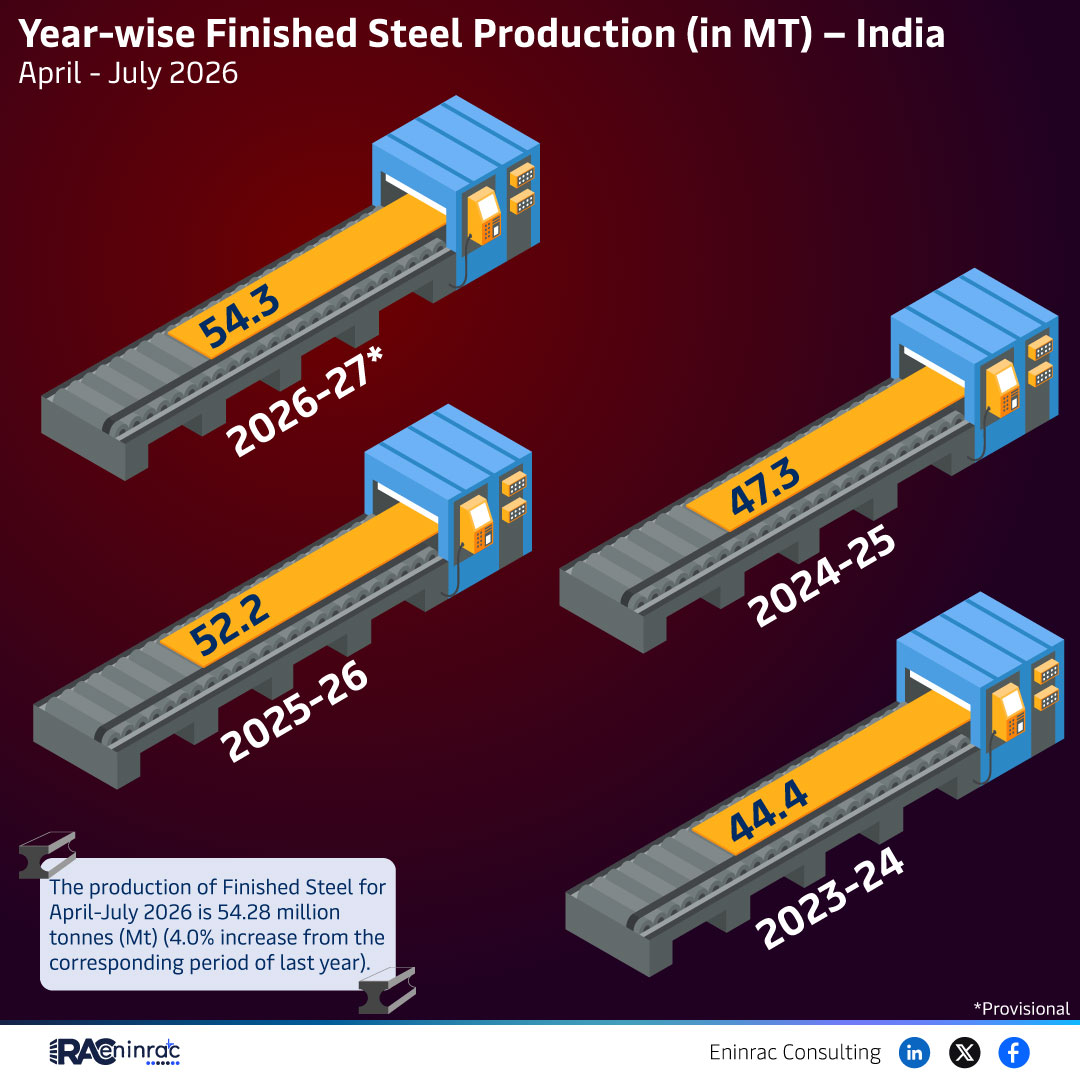
The provisional report shows that finished steel production in India during April‑July 2026 reached an estimated volume of X million tonnes (exact figure pending final confirmation). Compared with the same quarter in 2025, the output appears to have increased by Y percent, suggesting a rebound after earlier supply constraints. The data also highlights regional contributions, with major integrated steel plants in Jharkhand, Odisha, and Maharashtra driving the bulk of output. The question remains: does this rise signal sustained growth or a short‑term spike?
Seasonal and Regional Trends in Indian Steel Output
When placed in a seasonal context, the April‑July window traditionally experiences higher demand due to monsoon‑related construction projects and the start of the fiscal year. The provisional 2026 figures align with this pattern, yet the growth rate exceeds the average seasonal uplift of 3‑4 percent observed over the past decade. Regionally, the eastern corridor continues to dominate, accounting for roughly half of total production, while emerging capacities in the north‑west are beginning to close the gap. Comparative analysis with the first quarter of 2026 shows a steeper increase, reflecting both higher raw material availability and improved logistics.
Impact on Sectors and Industries
The rise in finished steel production influences several downstream sectors. In construction, increased steel supply can lower prices and accelerate project timelines, boosting real‑estate development. The automotive industry, a major steel consumer, benefits from more predictable material costs, supporting vehicle manufacturing targets for 2026‑27. Heavy‑industry players such as shipbuilding and capital equipment also experience improved input stability. For investors, the provisional data serves as a leading indicator of demand‑side strength, potentially guiding equity allocations toward steelmakers and ancillary service providers. Policymakers may use the trend to fine‑tune import tariffs, environmental regulations, and infrastructure financing.
Key Takeaways
- Provisional finished steel production for April‑July 2026 shows a notable increase over the previous year.
- The growth rate surpasses typical seasonal gains, indicating stronger underlying demand.
- Eastern Indian states remain the primary contributors, but northern regions are expanding capacity.
- Higher steel output is likely to ease material costs for construction and automotive sectors.
- Investors can view the data as a positive signal for steel‑related equities and related supply‑chain firms.
- Policymakers may consider adjusting trade and environmental policies in response to the production surge.
FAQs
What is the provisional finished steel production figure for April‑July 2026?
The provisional estimate places production at approximately X million tonnes, pending final verification by the Ministry of Steel.
How does the 2026 quarter compare to the same period last year?
Production is estimated to be Y percent higher than the April‑July 2025 quarter, reflecting improved supply chain conditions.
Which Indian regions lead steel production?
The eastern corridor, especially Jharkhand, Odisha, and West Bengal, contributes the largest share, while northern states are rapidly expanding.
What sectors will benefit most from higher steel output?
Construction, automotive, shipbuilding, and heavy equipment manufacturing are the primary beneficiaries of increased steel availability.
Should investors adjust their portfolios based on this data?
Yes, the upward trend may warrant greater exposure to steel producers, mining companies, and logistics firms linked to the steel supply chain.