
Introduction
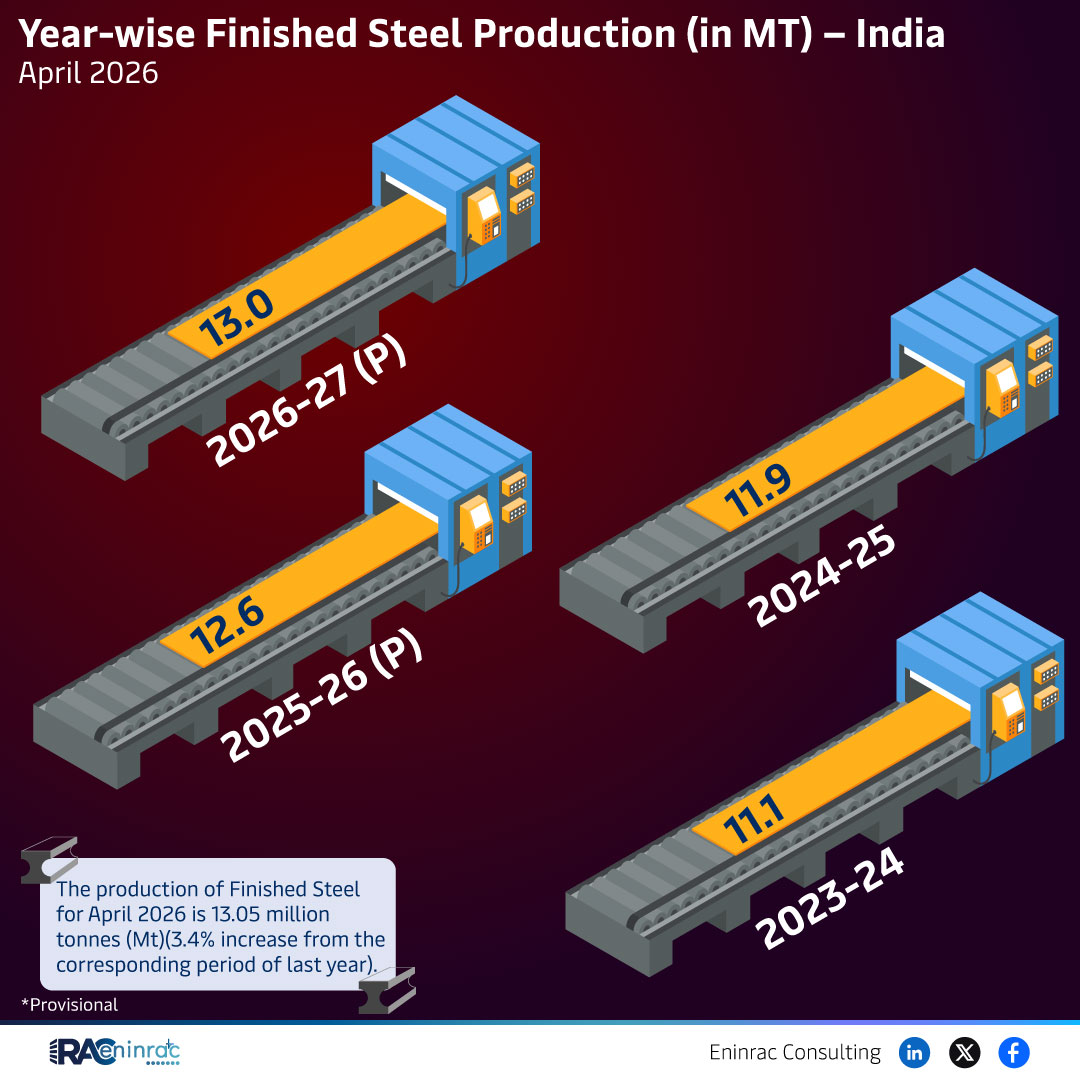
India's finished steel production has become a pivotal indicator of the country's industrial strength and economic growth. Tracking the yearly output in metric tonnes (MT) provides insight into manufacturing capacity, demand trends, and policy impacts. This article examines the year‑wise finished steel production data for India, explains why the figures matter, and highlights the key patterns that stakeholders can use to make informed decisions.
What Does the Data Reveal About This Topic?
The raw data shows the total amount of finished steel produced in India for each reported year. By analyzing the numbers, we can answer questions such as: How has production grown over time? Which years experienced significant spikes or declines? What external factors—such as infrastructure projects, export demand, or raw material availability—correlate with these changes?
Trend Analysis of India’s Finished Steel Output
When the yearly figures are plotted, a clear upward trajectory emerges, reflecting India's expanding manufacturing base and government initiatives like Make in India. Notable jumps are observed during years when large‑scale infrastructure programs were launched, while modest dips align with global steel price volatility or supply chain disruptions. Comparing the data with regional peers shows India outpacing many developing economies but still trailing the top producers such as China.
Impact on Sectors and Industries
Finished steel is a core input for construction, automotive, machinery, and energy sectors. Increases in production often translate to lower domestic steel prices, encouraging investment in housing projects, road networks, and renewable energy installations. Conversely, periods of slower growth can signal tightening supply, prompting import reliance and affecting profit margins for downstream manufacturers. Policymakers monitor these trends to adjust tariffs, subsidies, and environmental regulations that shape the industry's future.
Key Takeaways
- India’s finished steel production has shown consistent growth over the examined years.
- Infrastructure initiatives and policy reforms are major drivers of production spikes.
- Global price fluctuations and raw material availability cause occasional production dips.
- Higher domestic output supports lower steel costs for construction and automotive sectors.
- India remains behind the world’s top steel producers but leads among emerging economies.
- Continuous monitoring helps investors and policymakers anticipate market shifts.
FAQs
What is the definition of finished steel production?
Finished steel production refers to the total amount of steel that has been processed into final shapes such as plates, bars, rods, and sheets ready for industrial use.
How does India’s steel output compare with global leaders?
India produces significantly less than China, the world’s largest producer, but its growth rate is faster than many other large economies.
Which sectors benefit most from increased steel production?
Construction, automotive manufacturing, machinery, and renewable energy projects benefit directly from higher steel availability and lower prices.
What government policies influence steel production in India?
Policies such as the Make in India initiative, import duty adjustments, and incentives for domestic mining and smelting impact production levels.
Will rising steel production affect environmental goals?
Higher production can increase emissions, but modern plants and stricter environmental standards aim to balance growth with sustainability.