
Introduction
India’s finished steel import volumes provide a clear window into the country’s industrial demand, trade balance, and manufacturing health. Understanding these figures helps investors, policymakers, and industry leaders gauge market dynamics, supply chain pressures, and future growth opportunities.
What Does the Data Reveal About This Topic?
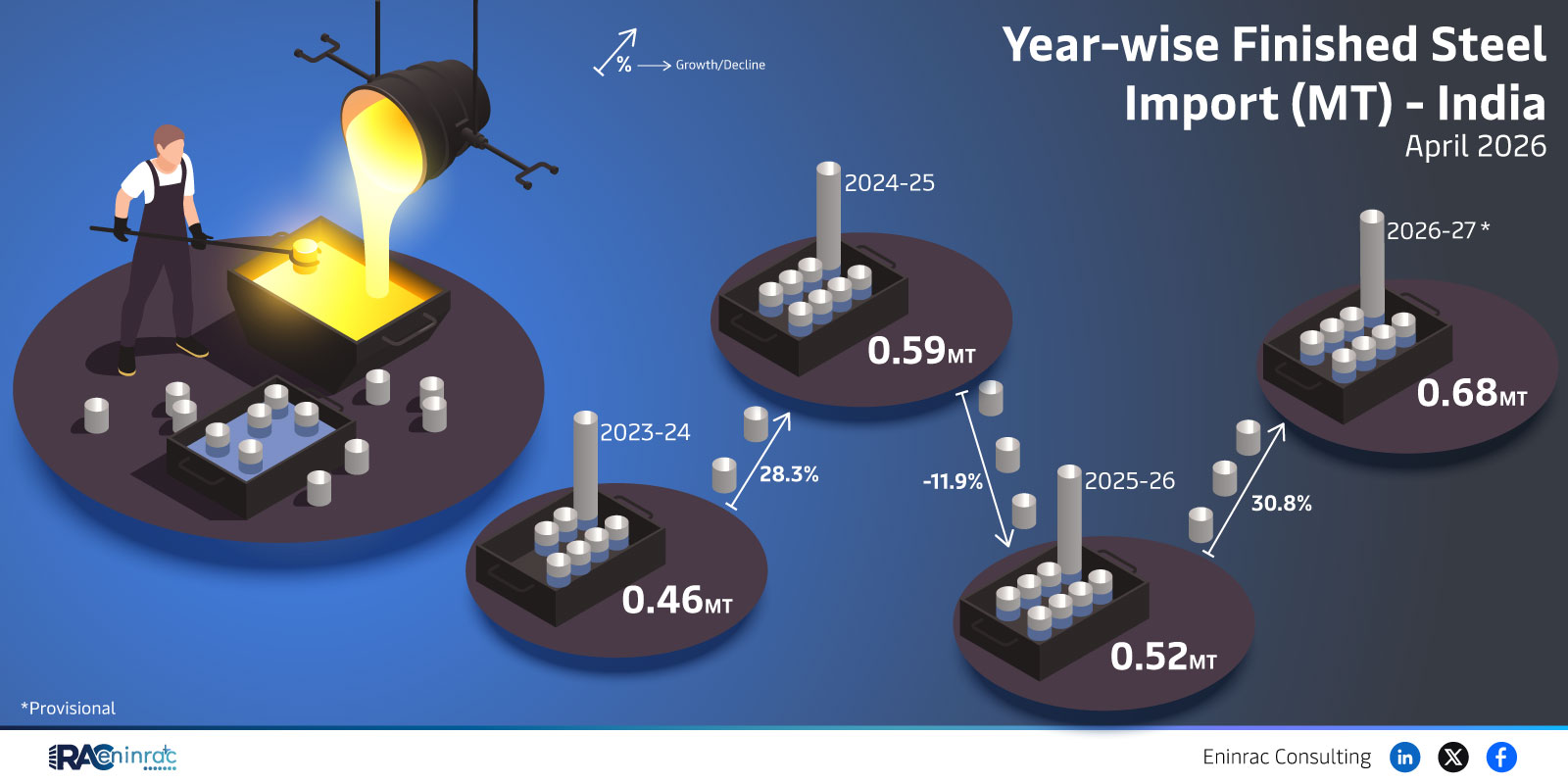
The raw data shows a fluctuating trend in finished steel imports measured in metric tonnes (MT) across recent years. The numbers indicate periods of increase driven by infrastructure projects and automotive demand, followed by declines when domestic production ramps up or global prices shift. This pattern answers the key question: how does India’s reliance on imported steel evolve over time?
Year‑by‑Year Import Trends and Key Drivers
Analyzing the yearly figures, the peak import year aligns with heightened construction activity and government initiatives such as the National Infrastructure Pipeline. Conversely, years with lower imports correspond to higher domestic steel output and protective trade policies. Notable drivers include raw material costs, currency fluctuations, and policy reforms that affect import duties.
Impact on Sectors and Industries
Finished steel imports directly affect sectors like automotive manufacturing, infrastructure development, and heavy engineering. Higher import volumes can lower production costs for manufacturers lacking sufficient local supply, while also exposing them to global price volatility. Investors monitor these trends to assess risk, and policymakers use the data to balance trade deficits against domestic industry support.
Key Takeaways
- Import volumes peak during years of large‑scale infrastructure spending.
- Domestic steel production growth reduces reliance on imports.
- Currency strength and global steel prices heavily influence import decisions.
- Policy changes on import duties can cause abrupt shifts in trade volumes.
- Sectoral demand, especially from automotive and construction, drives import patterns.
- Monitoring import trends helps investors predict market cycles and supply chain risks.
FAQs
Why does India import finished steel instead of producing it domestically?
Importing fills gaps when domestic capacity cannot meet sudden spikes in demand or when specific steel grades are unavailable locally.
How do import duties affect finished steel prices in India?
Higher duties increase landed costs, encouraging manufacturers to source locally, while lower duties make imports more competitive.
Which sectors are most sensitive to changes in steel import volumes?
The automotive, construction, and heavy equipment sectors feel the most immediate impact because they rely on consistent steel supply.
What role does the Indian rupee play in steel import trends?
A stronger rupee reduces the cost of imports, making foreign steel cheaper, whereas a weaker rupee raises import expenses.
Can increased domestic steel production eliminate the need for imports?
While higher domestic output reduces import dependence, specialized grades and rapid demand spikes will likely keep some level of imports necessary.