
Introduction
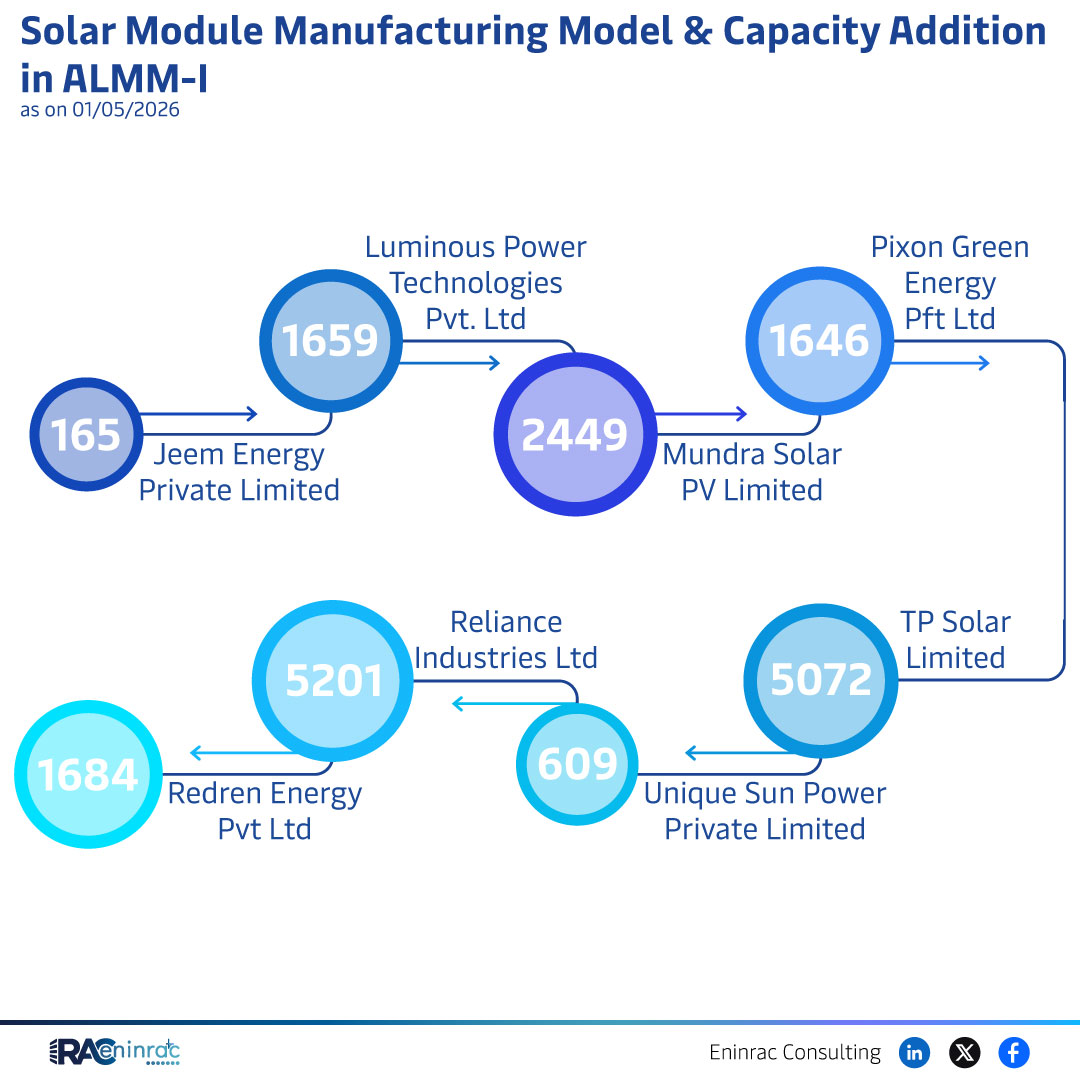
The latest ALMM-I report dated 01/05/2026 lists a growing roster of Indian solar manufacturers expanding capacity. Companies such as Luminous Power, Pixon Green Technologies, Jeem Energy, and Reliance Industries are adding new production lines, reflecting accelerating demand for photovoltaic modules across the country. This article breaks down the data, highlights trends, and explains why these capacity additions matter for investors, policymakers, and the renewable energy sector.
What Does the Data Reveal About This Topic?
Which firms are leading the surge in solar module manufacturing? The raw data shows a mix of established players like Reliance Industries and emerging specialists such as Redren Energy and Unique Sun Power. The diversity of participants indicates a broadening ecosystem where both large conglomerates and niche innovators are scaling up to meet national solar targets.
Regional and Company‑Level Trends
When comparing the listed firms, a clear pattern emerges: manufacturers based in industrial hubs such as Gujarat, Tamil Nadu, and Maharashtra dominate the capacity additions. Reliance Industries leverages its extensive supply chain to fast‑track module output, while newer entrants like TP Solar Limited focus on high‑efficiency thin‑film technologies. This geographic concentration supports regional job creation and aligns with state‑level renewable mandates.
Impact on Sectors and Industries
Increased module production lowers overall solar system costs, boosting the profitability of solar project developers and encouraging utility‑scale installations. For investors, the expanding manufacturing base reduces reliance on imports, improves trade balances, and opens opportunities for equity and debt financing in the renewable energy pipeline. Policymakers benefit from domestic capacity that helps meet India’s 450 GW solar goal by 2030, while consumers gain access to more affordable clean electricity.
Key Takeaways
- Multiple Indian firms are adding significant solar module capacity in 2026.
- Both large conglomerates and specialized startups are driving growth.
- Manufacturing hubs are concentrated in Gujarat, Tamil Nadu, and Maharashtra.
- Domestic production supports national renewable targets and reduces import dependence.
- Lower module costs improve project economics for developers and investors.
- Increased capacity creates jobs and stimulates related supply‑chain industries.
FAQs
What is ALMM-I?
ALMM-I is the Annual Light Manufacturing Monitor for India, tracking capacity additions in solar module production.
Why is domestic solar module manufacturing important?
It reduces reliance on imports, lowers system costs, and supports national renewable energy goals.
Which companies are the biggest capacity adders?
Reliance Industries, Luminous Power, and Jeem Energy are among the top contributors in the 2026 data.
How does increased capacity affect solar project costs?
Higher supply of modules drives down prices, making solar projects more financially viable.
What regions in India host most of the new manufacturing?
Gujarat, Tamil Nadu, and Maharashtra host the majority of new solar module facilities.