
Introduction
India’s chemical sector is a cornerstone of the nation’s industrial landscape, delivering a broad mix of basic and specialty chemicals that serve agriculture, manufacturing, and consumer markets. Recent production figures reveal significant volumes for key compounds such as soda ash, caustic soda, liquid titanium, hydrogen, calcium acetate, methanol, formaldehyde, aniline, ethyl derivatives, pesticides, dyes, chlorine dioxide, peroxide, carbonate and various pigments. Understanding these numbers helps investors, policymakers and industry leaders gauge growth patterns, supply chain dynamics and competitive positioning across the sub‑continent.
What Does the Data Reveal About This Topic?
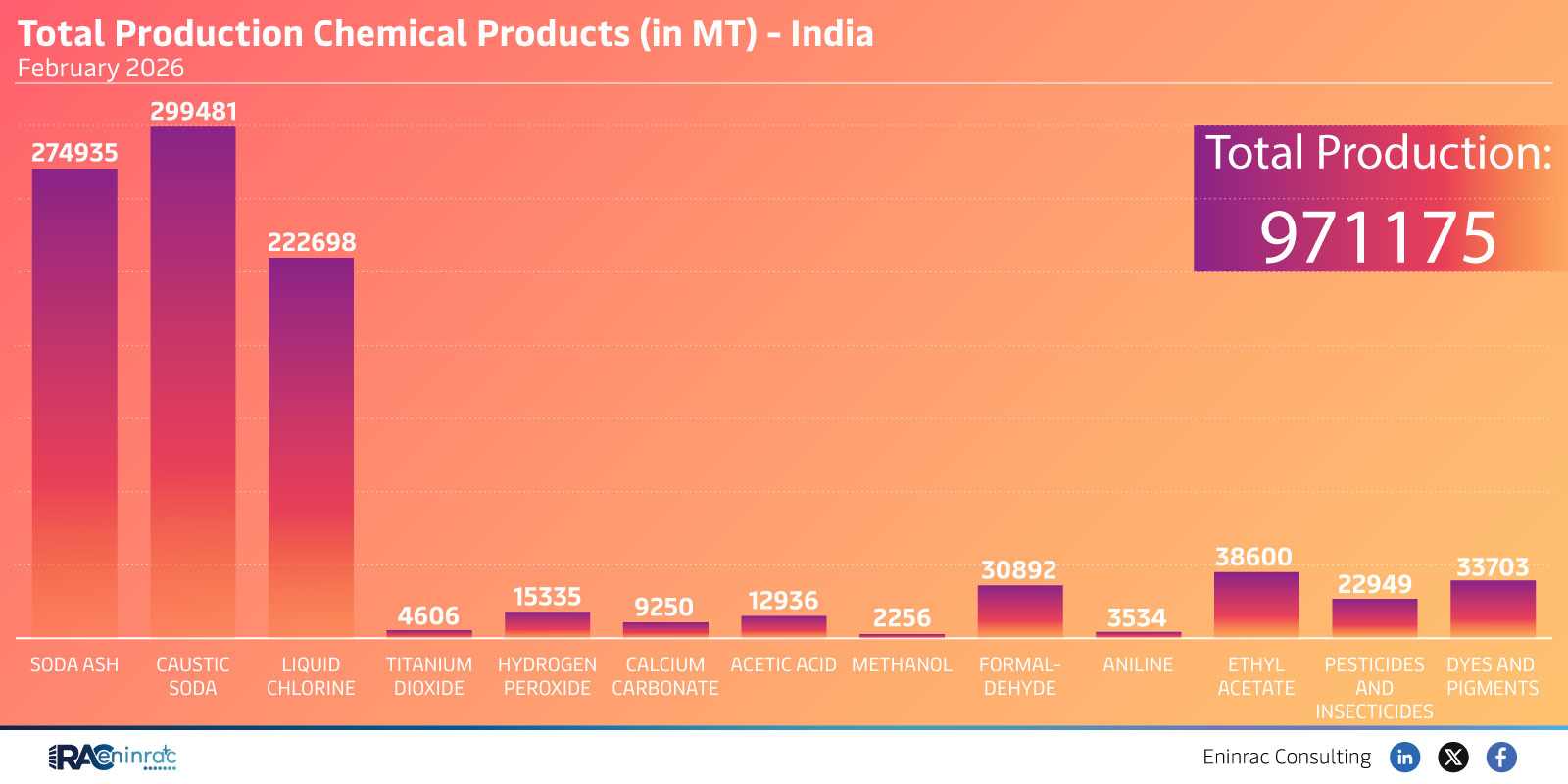
What does the raw data tell us about India’s chemical output? The four numerical entries—38 600, 30 892, 22 949 and 15 335—represent metric tonnes for four major product groups, highlighting a clear hierarchy where soda ash and related alkali chemicals dominate production, followed by titanium‑based liquids and hydrogen derivatives. The descending order underscores the country’s reliance on alkaline and metal‑based compounds, while the lower figure for specialized pigments and insecticides points to niche but growing segments. These insights answer key questions about supply concentration, regional raw‑material availability and future market elasticity.
Chemical Volume Trends by Substance in India
When we break down the aggregate numbers, soda ash emerges as the top‑selling commodity, reflecting its use in glass making, detergents and steel processing. Caustic soda follows closely, feeding downstream processes such as pulp bleaching and water treatment. Liquid titanium, though produced in smaller tonnes, signals expanding high‑technology applications in aerospace and medical implants. Hydrogen and calcium acetate volumes suggest a rising demand for clean‑energy feedstock and fertilizer additives respectively. Meanwhile, the modest output of methanol, formaldehyde, aniline and ethyl‑based intermediates indicates a balanced mix of bulk and specialty chemicals that support downstream polymer and pharmaceutical manufacturing.
Impact on Sectors and Industries
India’s chemical production volumes ripple through multiple sectors. The construction industry benefits from abundant soda ash and carbonate for cement and concrete additives, while the automotive and aerospace sectors rely on titanium liquids for lightweight components. Agricultural productivity is boosted by pesticides, calcium acetate and nitrogen‑rich intermediates. Energy firms explore hydrogen as a future fuel, and manufacturers of plastics, resins and textiles depend on methanol, formaldehyde and aniline derivatives. Policymakers monitor these trends to align environmental regulations, export incentives and investment incentives that sustain growth while addressing emissions and waste management challenges.
Key Takeaways
- Soda ash leads Indian chemical production by volume.
- Caustic soda ranks second, supporting multiple downstream processes.
- Liquid titanium, though smaller, drives high‑tech industry growth.
- Hydrogen and calcium acetate indicate emerging clean‑energy and fertilizer markets.
- Specialty chemicals such as pigments and insecticides show niche expansion.
- Production trends influence policy, investment and export strategies.
FAQs
What are the main chemicals produced in India?
The primary chemicals include soda ash, caustic soda, liquid titanium, hydrogen, calcium acetate, methanol, formaldehyde, aniline, ethyl derivatives, pesticides, dyes, chlorine dioxide, peroxide and various pigments.
Why does soda ash dominate Indian chemical output?
Soda ash is essential for glass, detergent and steel industries, creating strong domestic demand and making it the highest‑volume product.
How is liquid titanium used in India’s economy?
Liquid titanium supports aerospace, medical device and advanced manufacturing sectors that require lightweight, high‑strength materials.
What role does hydrogen play in India’s future energy mix?
Hydrogen serves as a clean‑energy carrier, with growing interest for fuel cells, industrial heat and green‑hydrogen projects.
Are there environmental concerns linked to these chemical productions?
Yes, emissions, wastewater and waste‑solid management require strict regulation and adoption of greener processes to minimise ecological impact.