
Introduction
The August 2026 release of the top ten Indian port coal imports provides a clear snapshot of how much coal moves through the nation’s maritime gateways. Understanding Indian port coal imports 2026 is vital for energy analysts, investors, and policymakers because it reflects supply chain health, regional demand, and the broader outlook for conventional energy in the country. This article walks through the latest figures, highlights leading ports, explains trends, and outlines the strategic implications for industries that rely on coal.
What Does the Data Reveal About This Topic?
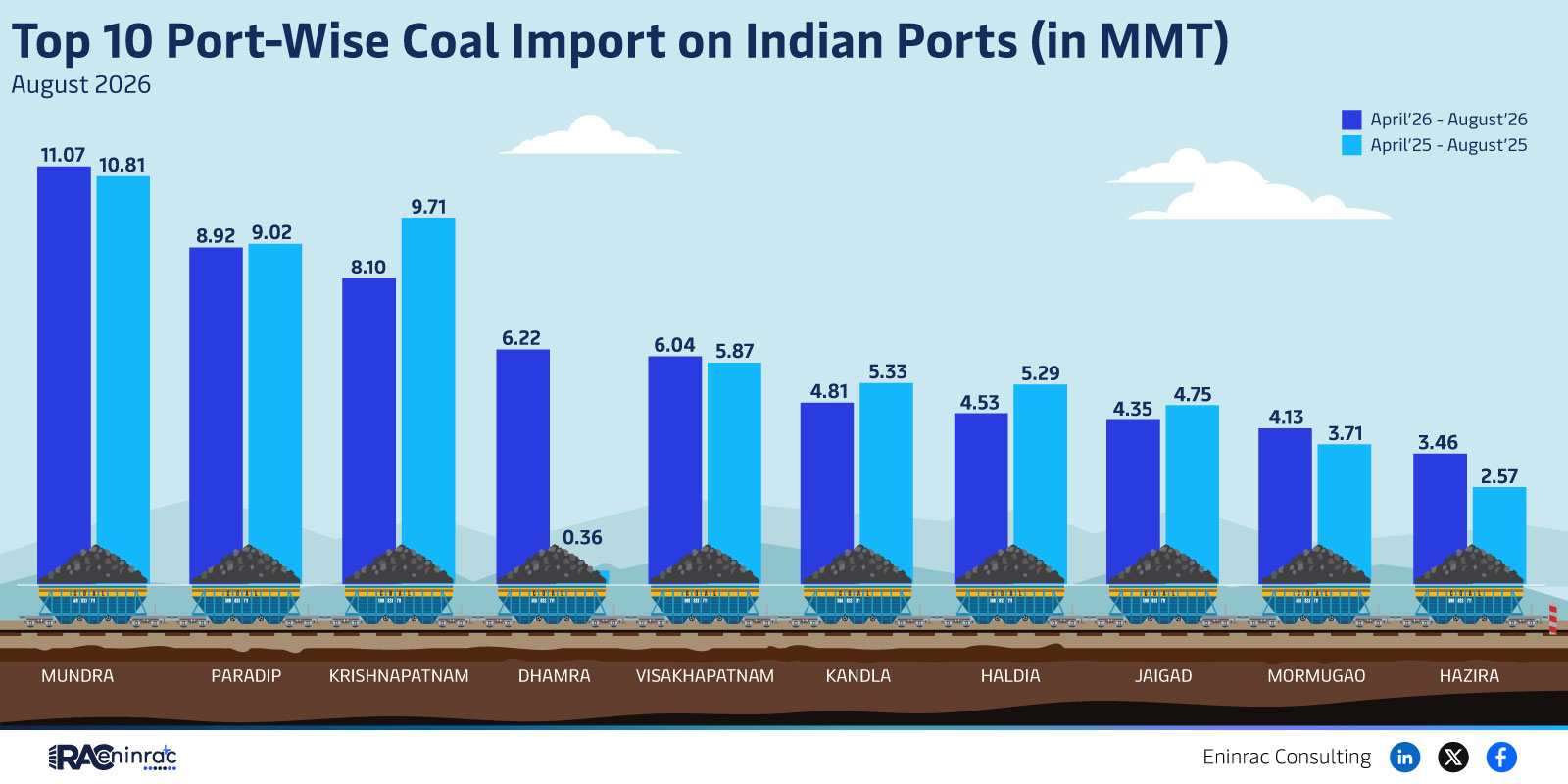
The data shows that during the April‑August 2026 window, Mundra led with 11.07 million metric tons (MMT) of coal, while Paradip recorded a striking 19.9 MMT, making it the single highest importer. Other ports such as Krishnapatnam, Dhamra, Visakhapatnam, and Kandla recorded imports ranging from roughly 6 to 9 MMT. The spread indicates a concentration of coal handling in a few major hubs, with smaller ports like Haldia, Jaigad, Mormugao and Hazira contributing modest volumes. This concentration suggests logistical efficiencies but also raises questions about capacity constraints.
Port‑wise Performance Highlights
Paradip’s 19.9 MMT volume represents a nearly 80% increase over its counterpart in the same period last year, driven by heightened demand from thermal power plants in eastern India. Mundra’s 11.07 MMT, while lower than Paradip, remains robust thanks to its deep‑water infrastructure and proximity to major industrial corridors. Krishnapatnam and Dhamra each posted around 8‑9 MMT, reflecting steady growth linked to new port expansions. Visakhapatnam and Kandla’s figures hover near 6 MMT, indicating stable but not accelerating demand. The four smaller ports—Haldia, Jaigad, Mormugao, and Hazira—showed modest imports between 2.5 and 4.1 MMT, highlighting their niche roles in serving regional industries.
Impact on Sectors and Industries
These import patterns directly affect the thermal power sector, which consumes the majority of the coal arriving at Indian ports. Higher volumes at Paradip and Mundra enable power generators to secure fuel at competitive rates, supporting grid reliability. Shipping and logistics firms benefit from increased cargo handling, while port authorities must consider infrastructure upgrades to avoid bottlenecks. Investors track these trends to gauge the health of conventional energy assets, and policymakers use the data to shape import tariffs, environmental regulations, and strategic reserves. Moreover, downstream steel and cement manufacturers, which rely on coal as a feedstock, adjust procurement strategies based on port performance.
Key Takeaways
- Paradip tops the list with 19.9 MMT, showing strongest growth.
- Mundra remains a critical hub with 11.07 MMT.
- Mid‑size ports like Krishnapatnam and Dhamra each handle ~8‑9 MMT.
- Visakhapatnam and Kandla hold steady around 6 MMT.
- Smaller ports contribute modest volumes, highlighting niche markets.
- Concentrated imports influence power generation costs and infrastructure planning.
FAQs
Which Indian port imported the most coal in August 2026?
Paradip recorded the highest imports at 19.9 million metric tons.
How do coal import volumes affect power generation costs?
Higher import volumes at major ports can lower freight and fuel costs for power plants, improving overall electricity pricing.
Are smaller ports like Hazira significant for coal imports?
They handle lower volumes (around 2.5‑4.1 MMT) but serve regional industries and provide diversification in the supply chain.
What trends are emerging in Indian coal imports for 2026?
Growth is concentrated in eastern ports, while western and southern ports show stable or modest increases.
How might policymakers use this import data?
Policymakers can adjust tariffs, plan infrastructure upgrades, and set environmental standards based on port‑wise import trends.