
Introduction
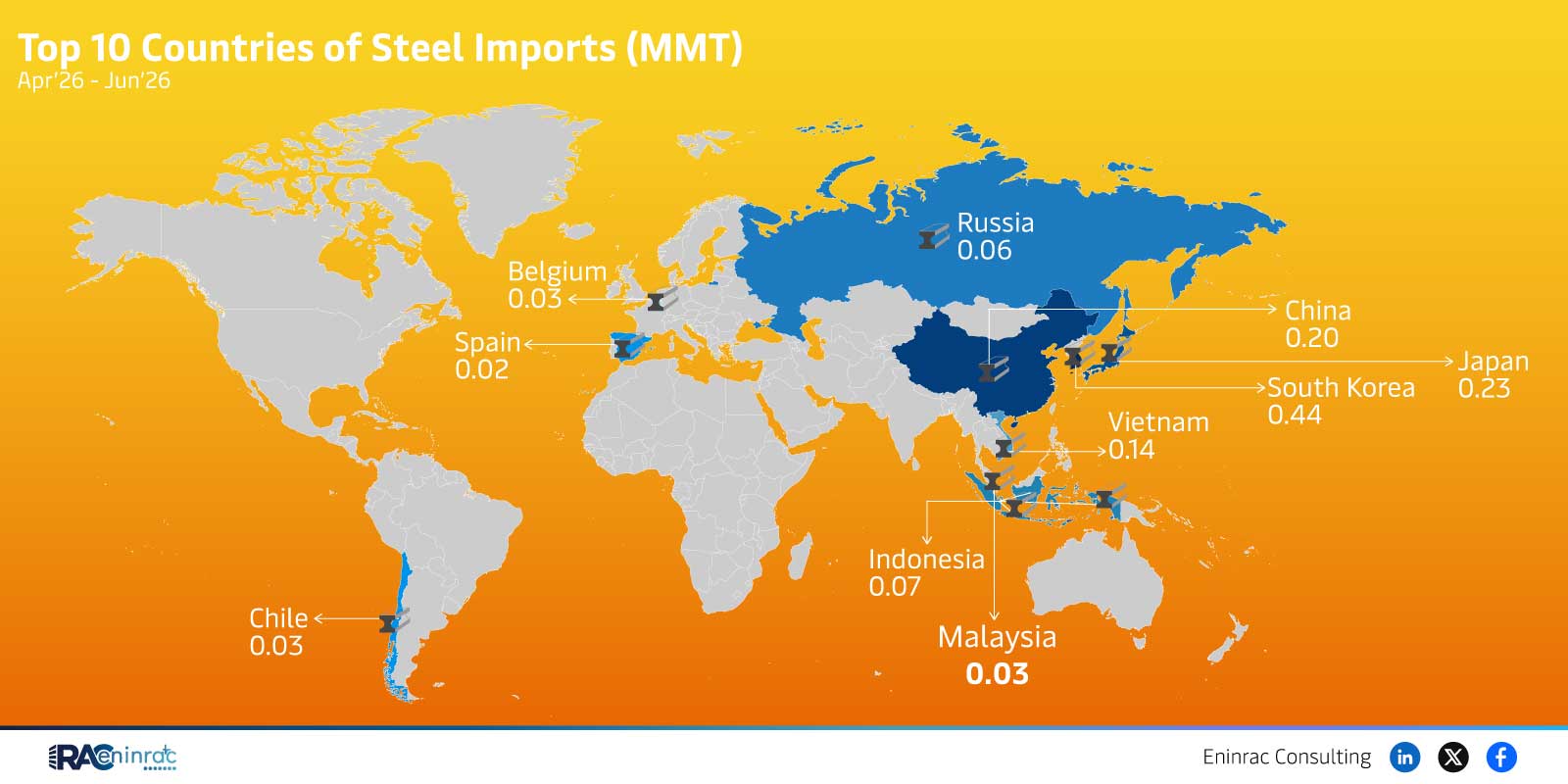
Russia’s energy sector continues to attract attention from analysts, investors, and policymakers worldwide. A recent data point from Eninrac Consulting highlights that Russia’s energy investment accounts for a modest 0.06% of global activity. This figure may appear small, but it carries important implications for how the country positions itself within the broader energy landscape, especially as the world shifts toward cleaner technologies. In this article we unpack the meaning of the 0.06% share, explore its context, and examine what it signals for renewable and conventional energy markets, investors, and strategic planners.
What Does the Data Reveal About This Topic?
The core insight from the raw data is straightforward: Russia contributes only 0.06% of total worldwide energy investment. In a question‑answer format, we can ask: Why does Russia’s share remain so low despite its vast reserves? The answer lies in a combination of geopolitical factors, a historic focus on domestic production, and a strategic pivot toward maintaining existing infrastructure rather than launching large new investment projects abroad. This low percentage also suggests that foreign capital is being directed elsewhere, often toward emerging renewable projects in regions with more aggressive policy support.
Comparative Insight: Russia’s Energy Investment Share
When placed side by side with leading energy‑investment hubs such as the United States, China, and the European Union, Russia’s 0.06% share underscores a pronounced gap. Countries like the United States and China each command double‑digit percentages of global investment, driven by massive renewable rollout plans and aggressive decarbonization targets. In contrast, Russia’s energy investment remains concentrated on conventional oil and gas assets, with limited diversification into renewables. This contrast highlights a trend where nations with strong policy incentives and stable financing environments rapidly outpace Russia in capturing new capital.
Impact on Sectors and Industries
The modest share of Russia energy investment influences multiple layers of the economy. For traditional oil and gas firms, it reinforces a reliance on legacy assets and suggests limited funding for innovative technologies such as carbon capture or offshore wind. Renewable energy developers see fewer partnership opportunities within Russia, prompting them to look to neighboring markets with more supportive investment climates. Investors, both institutional and private, must weigh the risk‑adjusted returns of engaging with Russian projects, considering geopolitical risk, currency volatility, and regulatory uncertainty. Policymakers can use this data point to calibrate incentives that might attract more diversified energy funding.
Key Takeaways
- Russia’s energy investment share stands at only 0.06% globally.
- Geopolitical and policy factors limit new capital inflows.
- Traditional oil and gas dominate domestic investment priorities.
- Renewable projects face financing constraints within Russia.
- International investors view Russia as a higher‑risk jurisdiction.
- Policy shifts could alter the investment trajectory in the coming years.
FAQs
Why is Russia’s energy investment share only 0.06%?
Historical focus on domestic production, geopolitical sanctions, and limited policy incentives for new projects keep foreign and private capital low.
Does the 0.06% figure include renewable energy projects?
Yes, the figure aggregates all energy‑related investment, but renewable projects represent a very small fraction of the total.
How does Russia’s investment compare to the United States?
The United States accounts for over 15% of global energy investment, reflecting expansive renewable and infrastructure funding, far exceeding Russia’s share.
What risks do investors face in Russian energy projects?
Key risks include geopolitical tensions, currency fluctuations, regulatory unpredictability, and limited access to international financing.
Can policy changes improve Russia’s investment outlook?
Yes, introducing clear renewable targets, tax incentives, and stable regulatory frameworks could attract more diversified capital.