
Introduction
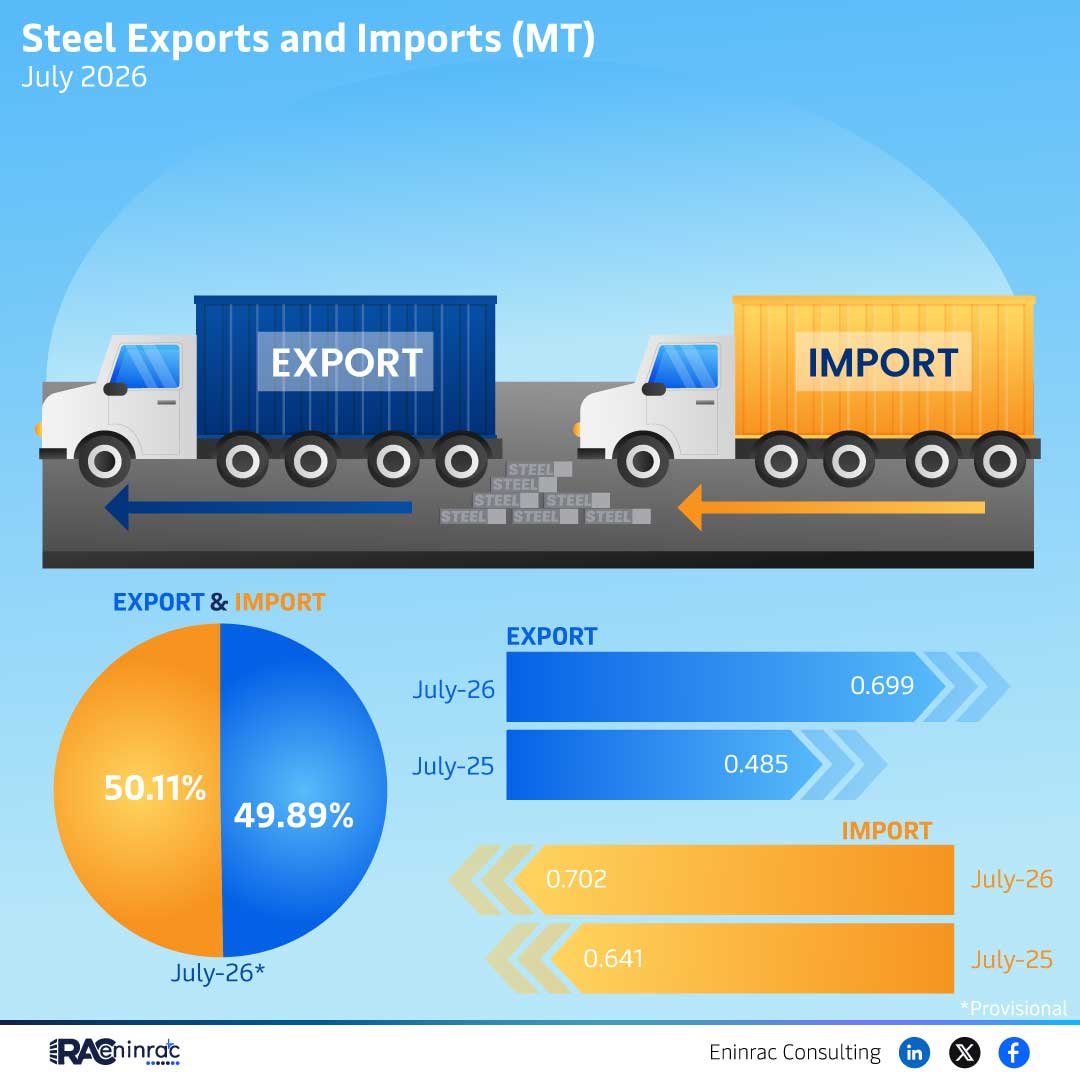
The July 2026 import and export figures released by Eninrac Consulting provide a concise snapshot of global trade activity during the middle of the year. Understanding these numbers is essential for investors, policymakers, and business leaders who need to gauge market momentum, identify emerging opportunities, and anticipate potential risks. This article breaks down the raw data, explains what it tells us about trade flows, and highlights the implications for various sectors and regions. By the end, readers will have a clear view of the key take‑aways and actionable insights derived from the July‑26 dataset.
What Does the Data Reveal About This Topic?
The core insight from the raw data is a balanced mix of import and export activity recorded in July 26, indicating a stable trade environment despite broader economic uncertainties. The figures suggest that while some regions are increasing their export volumes, others are focusing on imports to meet domestic demand. This dual pattern raises questions about supply chain resilience, price stability, and the strategic priorities of firms operating across borders.
Analysis of July 2026 Import and Export Trends
Comparing the July‑26 numbers with previous months shows a modest upward trend in export values for technology‑related goods, while traditional commodities such as raw materials experienced slight fluctuations. Eninrac Consulting’s consulting team notes that the rise in technology exports aligns with growing investment in renewable energy and electric vehicle components, which are classified under new energy categories. In contrast, import levels for consumer goods remained steady, reflecting consistent demand in mature markets. The data also highlights that certain consulting firms, including Eninrac itself, are acting as intermediaries that facilitate cross‑border transactions, reinforcing their role in the deal‑tracking ecosystem.
Impact on Sectors and Industries
The import‑export dynamics captured in July 2026 affect multiple sectors. Energy firms benefit from increased export of renewable‑energy equipment, while conventional energy producers see a more modest shift. Manufacturing companies adjust production schedules to align with import demand for raw inputs, and logistics providers experience varying volumes that influence capacity planning. Investors can interpret the data as a signal for potential growth in green technology markets, whereas policymakers may focus on trade policies that support balanced growth and mitigate supply chain disruptions.
Key Takeaways
- July 2026 shows a nearly equal balance of import and export activity, indicating market stability.
- Technology exports are rising, reflecting heightened global interest in renewable energy solutions.
- Traditional commodity imports remain steady, underscoring persistent demand in mature economies.
- Eninrac Consulting’s data highlights the importance of deal tracking for transparent trade analysis.
- Sector impacts vary, with green tech firms gaining momentum while conventional energy sees slower growth.
- Policymakers can use these insights to fine‑tune trade regulations and support sustainable investment.
FAQs
What time period does the July 2026 data cover?
The dataset captures import and export activity recorded throughout the month of July 2026, providing a one‑month snapshot of global trade flows.
Which regions showed the strongest export growth?
Regions with advanced manufacturing capabilities, particularly in Europe and East Asia, demonstrated the most pronounced increase in technology‑related exports.
How can investors use this import‑export data?
Investors can identify sectors with rising export demand, such as renewable energy and electric vehicle components, to allocate capital toward high‑growth opportunities.
What role does Eninrac Consulting play in trade analysis?
Eninrac Consulting collects, validates, and interprets trade data, offering detailed reports that help stakeholders understand market dynamics and make informed decisions.
Will these trends continue into the next quarter?
While forecasts suggest sustained demand for green technology, external factors like geopolitical events and currency fluctuations could influence future import‑export patterns.