
Introduction
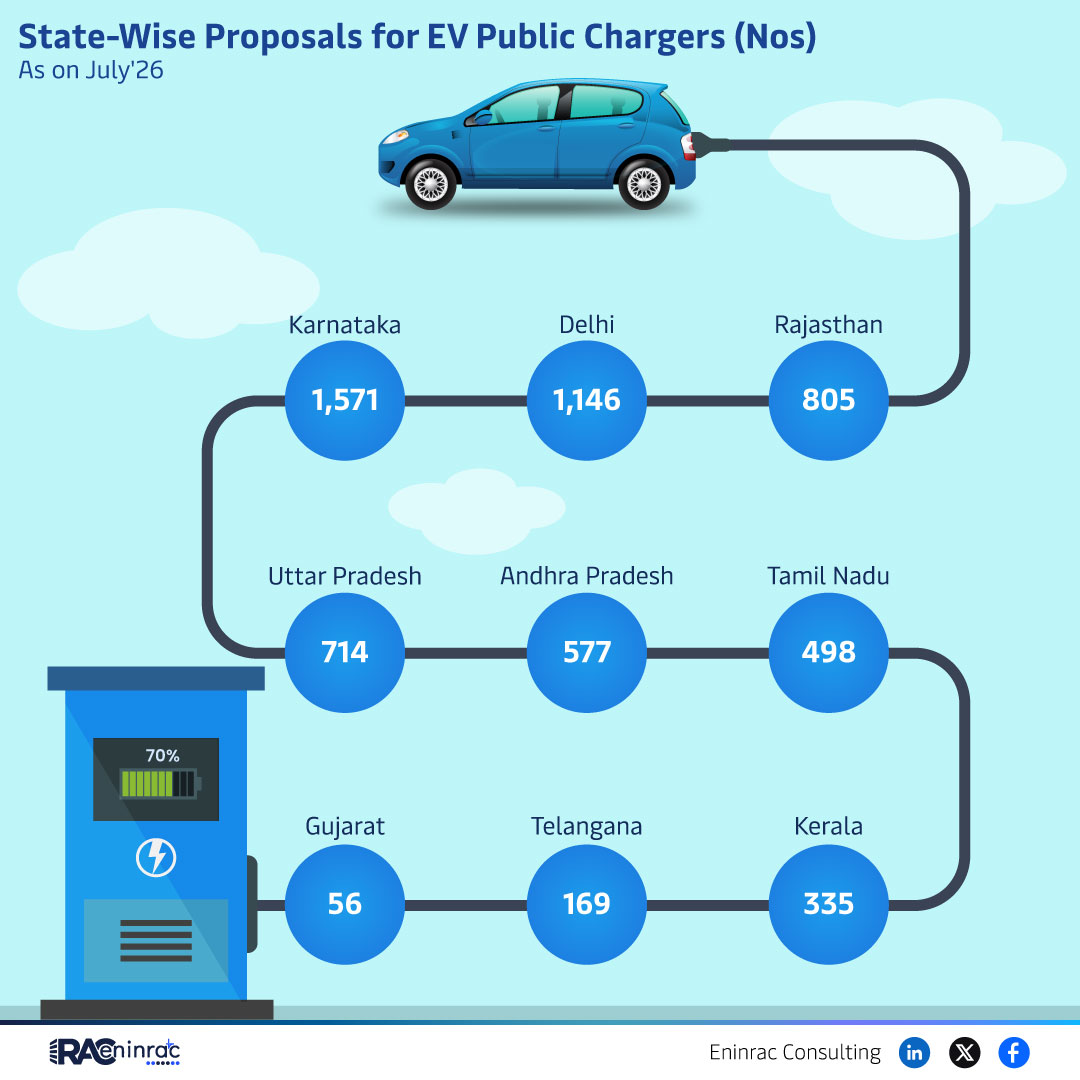
The latest dataset released on July 26 provides a state‑wise breakdown of proposals for electric vehicle (EV) public charging stations across India. With rapid growth in EV adoption, understanding where infrastructure plans are concentrated helps investors, policymakers, and industry leaders gauge market potential. This article analyses the proposal numbers for Karnataka, Rajasthan, Uttar Pradesh, Andhra Pradesh, Tamil Nadu, Gujarat, Telangana, and Kerala, highlights regional disparities, and discusses the broader implications for the Indian charging ecosystem. Stakeholders can leverage this information to align their strategies with emerging regional trends and to allocate resources efficiently.
What Does the Data Reveal About This Topic?
What can we infer from the July 26 snapshot of state‑wise EV public charger proposals? The data shows that certain states such as Karnataka and Tamil Nadu have a higher concentration of planned charging stations, indicating stronger policy support and market readiness. Conversely, states like Rajasthan and Kerala show comparatively fewer proposals, suggesting either early‑stage planning or possible regulatory hurdles. This contrast helps readers identify where growth opportunities are most pronounced.
State Comparison of EV Charger Proposals
When we compare the eight states, Karnataka emerges as a clear leader, followed closely by Tamil Nadu and Uttar Pradesh. Gujarat and Telangana also show robust proposal counts, reflecting active engagement from both government and private investors. Rajasthan, Andhra Pradesh, and Kerala lag behind, which may be attributed to lower EV penetration rates or delayed infrastructure initiatives. These variations underline the importance of regional policy frameworks, availability of renewable energy sources, and local market demand in shaping the rollout of public charging networks.
Impact on Sectors and Industries
The distribution of EV public charger proposals influences several key sectors. Renewable energy firms can target high‑proposal states to supply clean power for charging stations, while construction and engineering companies find new project pipelines. Financial institutions see differentiated risk profiles, with leading states offering lower investment risk and faster returns. Policymakers can use the data to allocate subsidies, streamline permitting processes, and craft incentives that encourage balanced development across all regions, ultimately accelerating India’s transition to sustainable mobility. Furthermore, utility companies can plan grid upgrades in anticipation of rising electricity demand from the expanding charger network, ensuring reliability and cost‑effectiveness.
Key Takeaways
- Karnataka leads with the highest number of proposals.
- Tamil Nadu and Uttar Pradesh follow closely behind.
- Gujarat and Telangana show strong investor interest.
- Rajasthan, Andhra Pradesh, and Kerala have fewer proposals.
- Regional policy support strongly correlates with proposal volume.
- Balanced infrastructure growth is essential for nationwide EV adoption.
FAQs
Which Indian state has the most EV public charger proposals?
Karnataka tops the list, indicating aggressive infrastructure planning and supportive policies.
Why do some states have fewer charger proposals?
Lower EV adoption rates, limited funding, and regulatory delays can reduce the number of proposals.
How does the proposal data affect investors?
Investors use the data to assess market potential, prioritize high‑growth regions, and manage risk.
What role do renewable energy providers play?
They can supply clean electricity to new charging stations, especially in states with strong proposal numbers.
Can policymakers use this data to improve EV adoption?
Yes, by identifying lagging regions and tailoring incentives to accelerate charging network deployment.