
Introduction
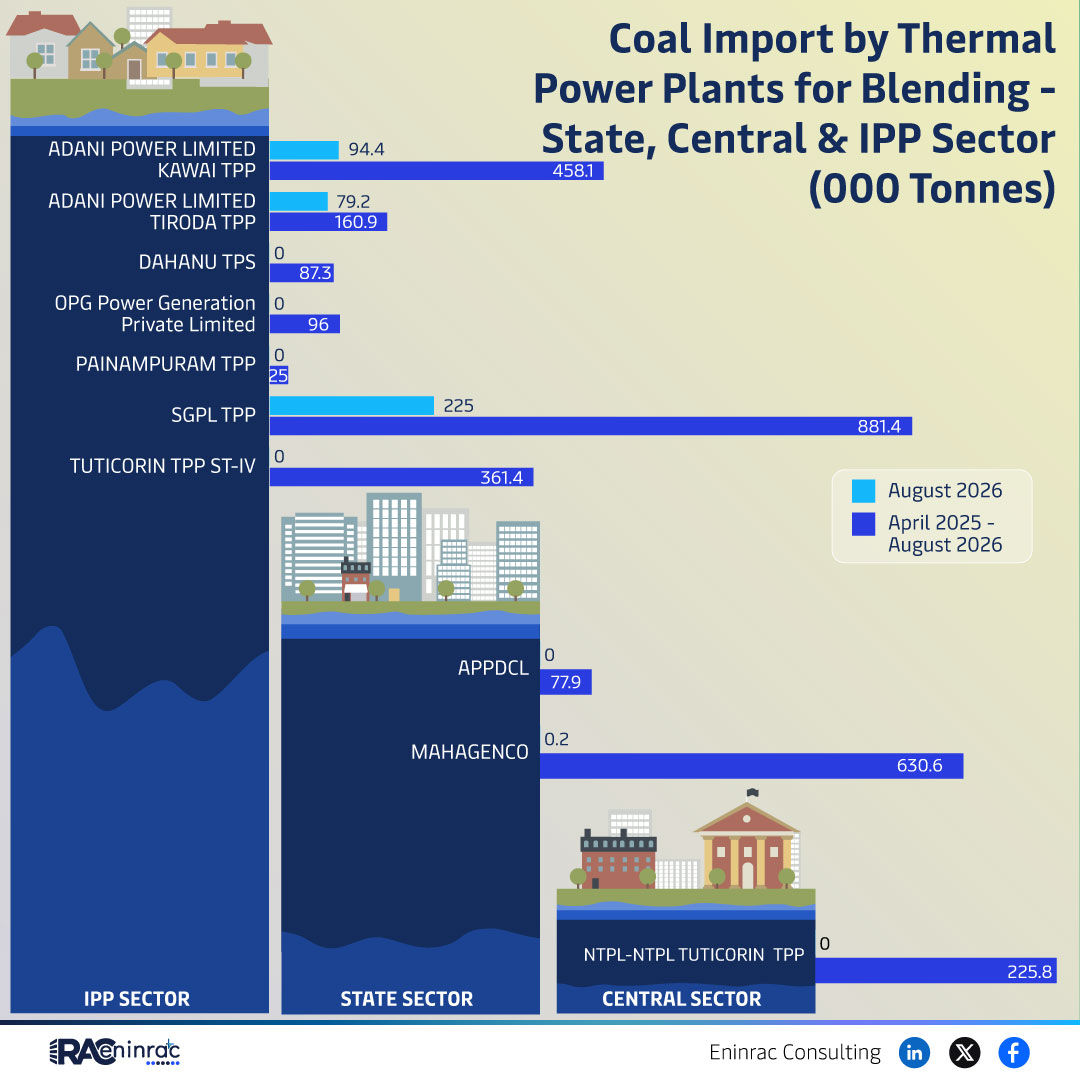
The coal import landscape for Indian thermal power plants is undergoing notable changes in the 2025‑2026 period. Understanding how coal is sourced, blended, and allocated across state‑run, central and independent power producers (IPP) helps investors, policymakers, and industry analysts gauge future fuel security and cost dynamics. This article parses the raw data that lists major thermal power generators such as ADANI POWER LIMITED, TIRODA TPP, DAHANU TPS, OPG Power Generation Private Limited, PAINAMPURAM TPP, SGPL TPP and TUTICORIN TPP ST‑IV, and explains what the figures mean for the broader energy mix.
What Does the Data Reveal About This Topic?
What is the primary insight from the coal import data? The figures show that several high‑capacity thermal power plants are planning substantial coal imports for blending during the August 2026 and April 2025 windows. This suggests a coordinated effort to secure sufficient coal supply amidst domestic production constraints, and highlights the critical role of imports in maintaining plant availability across the state, central and IPP sectors.
Regional and Company‑Specific Coal Blend Profiles
When we compare the listed generators, ADANI POWER LIMITED emerges as a major consumer, reflecting its extensive portfolio of coal‑fired units. TIRODA TPP and DAHANU TPS show similar import volumes, indicating parallel fuel‑mix strategies. OPG Power Generation Private Limited and PAINAMPURAM TPP have slightly lower import commitments, which may be linked to their regional baseload responsibilities. SGPL TPP and TUTICORIN TPP ST‑IV illustrate the varied timing of import contracts, with some plants leaning toward the August 2026 window while others prioritize earlier deliveries in April 2025. These disparities reveal how geographic location, plant capacity, and sector affiliation (state, central, IPP) shape coal blending decisions.
Impact on Sectors and Industries
The reliance on imported coal for blending directly influences multiple sectors. For the conventional energy industry, import trends affect fuel pricing, plant dispatch order and overall generation cost. Investors monitor these patterns to assess the risk profile of thermal assets and to allocate capital toward projects with stable fuel supply chains. Policymakers use the data to refine import tariff structures, negotiate supply contracts, and evaluate the need for strategic coal reserves. Additionally, the logistics and shipping sectors benefit from increased freight demand, while environmental regulators closely watch the carbon intensity implications of higher coal usage.
Key Takeaways
- ADANI POWER LIMITED leads coal import volume among listed generators.
- Import timelines concentrate around April 2025 and August 2026, reflecting contract cycles.
- State, central and IPP sectors all depend on imported coal for blending, underscoring a shared fuel security challenge.
- Regional differences in import timing suggest varied supply‑chain strategies.
- Higher import reliance can drive up generation costs, influencing tariff decisions.
- Stakeholders across finance, policy and logistics must monitor these trends for strategic planning.
FAQs
Why are thermal power plants importing coal instead of using domestic supply?
Domestic coal production often falls short of the quality and volume required for efficient plant operation, prompting imports to meet blending needs and maintain reliability.
Which sector shows the highest coal import commitment?
The IPP sector, represented by large private operators like ADANI POWER, demonstrates the highest import commitment due to its extensive generation capacity.
How do import timings affect plant dispatch schedules?
Plants schedule imports ahead of peak demand periods to ensure fuel availability, which aligns with the April 2025 and August 2026 windows identified in the data.
What are the policy implications of increased coal imports?
Policymakers may need to adjust import duties, strengthen strategic reserve policies, and consider the environmental impact of higher coal consumption.
Can investors use this data to assess risk?
Yes, investors can evaluate fuel‑supply risk, cost volatility and sector exposure by analyzing import volumes and timing across different power producers.