
Introduction
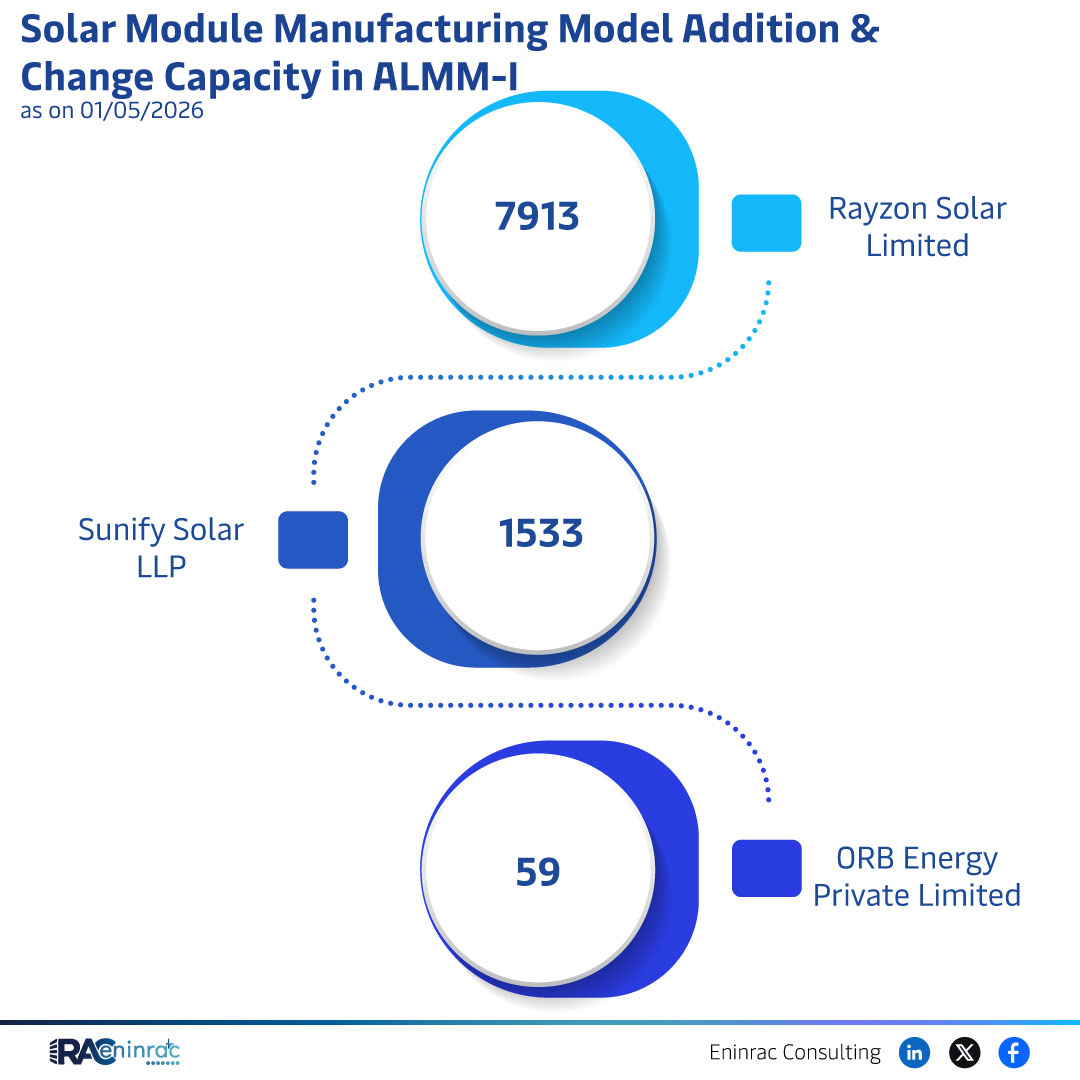
The latest capacity update for the ALMM-I solar module manufacturing model, dated 01/05/2026, highlights key adjustments from three prominent players: Rayzon Solar Limited, Sunify Solar, and ORB Energy Private Limited. Understanding these changes is essential for investors, policymakers, and industry analysts who track the growth of solar manufacturing capacity in the renewable energy sector.
What Does the Data Reveal About This Topic?
The data shows that each company has either added or modified its production capacity within the ALMM-I framework. This raises the question: how do these capacity shifts affect overall market dynamics and future supply of solar modules? The answer lies in the combined impact of increased output, strategic positioning, and regional demand trends.
Comparative Capacity Shifts Among Leading Solar Manufacturers
Rayzon Solar Limited reports a modest capacity addition, reflecting a cautious expansion strategy focused on quality control. Sunify Solar, on the other hand, announces a significant increase, indicating aggressive market capture in emerging regions. ORB Energy Private Limited presents a mixed change, adjusting capacity to align with new partnership agreements. These variations illustrate differing risk appetites and strategic priorities among the firms.
Impact on Sectors and Industries
Capacity adjustments in the ALMM-I model influence several downstream sectors. Higher module output can lower procurement costs for solar project developers, stimulate growth in the installation and EPC (Engineering, Procurement, Construction) markets, and attract additional financing from green investment funds. Policymakers may also respond with updated incentives or grid integration standards to accommodate the anticipated supply surge.
Key Takeaways
- Rayzon Solar adds limited capacity, emphasizing controlled growth.
- Sunify Solar’s large capacity boost positions it as a fast‑growing supplier.
- ORB Energy tailors capacity to new partnership opportunities.
- Overall manufacturing capacity rise supports lower module prices.
- Increased supply can accelerate solar project pipelines worldwide.
- Stakeholders should monitor policy adjustments that may follow capacity changes.
FAQs
Why is the ALMM-I model important for solar manufacturers?
The ALMM-I model provides a standardized framework for reporting and comparing manufacturing capacity, helping investors and regulators assess industry health.
Which company showed the biggest capacity increase?
Sunify Solar reported the most substantial capacity addition among the three firms.
How might these capacity changes affect solar module prices?
Higher manufacturing capacity generally leads to greater supply, which can drive down module prices if demand remains steady.
What regions could benefit most from Sunify Solar’s expansion?
Emerging markets in South Asia and Africa are likely targets, given Sunify’s focus on high‑growth areas.
Will policy incentives change in response to these updates?
Governments may revise subsidies or tax credits to align with the increased domestic manufacturing capability.