
Introduction
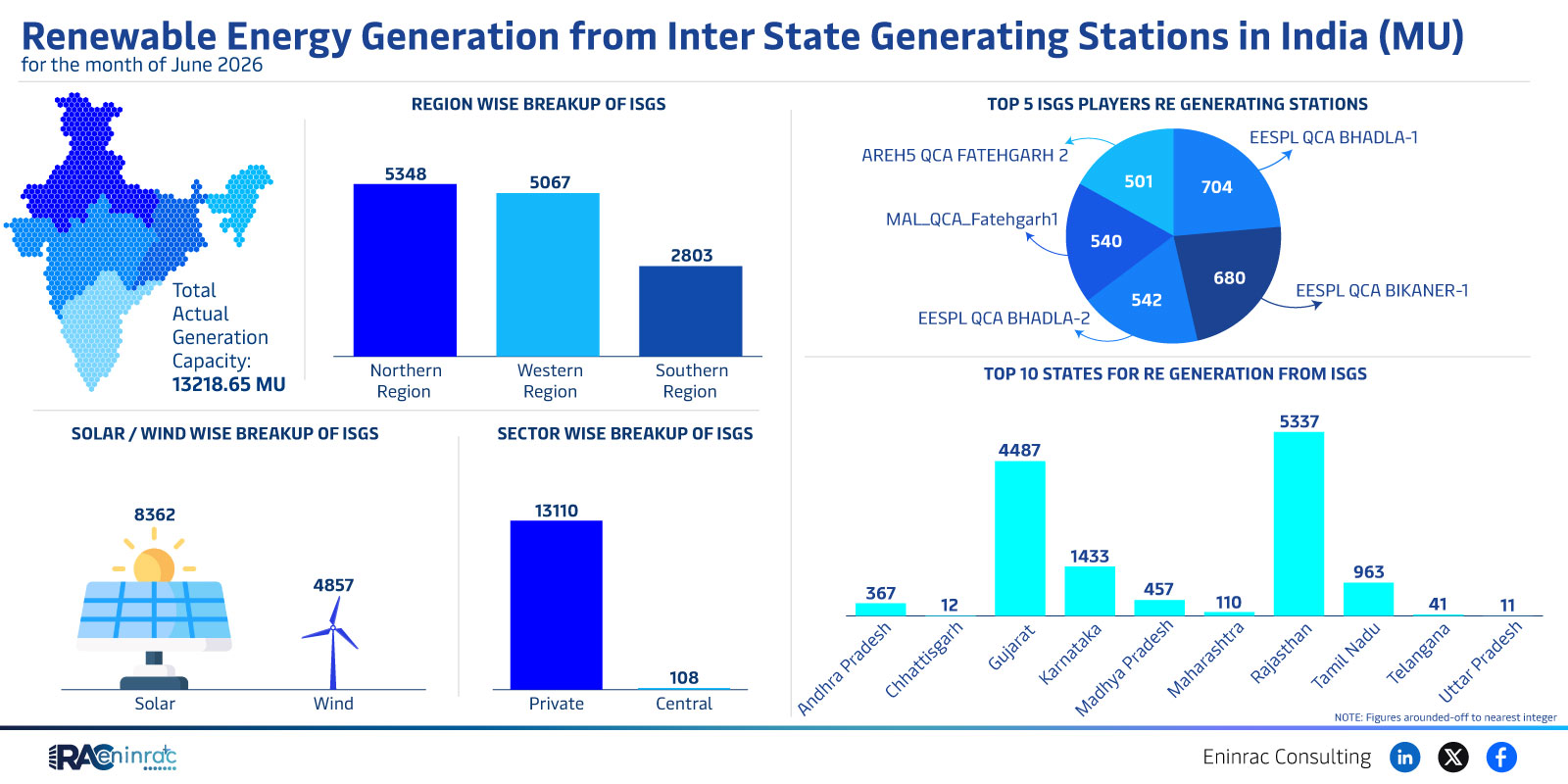
Renewable energy generation from Inter State Generating Stations (ISGS) in India is a critical component of the country's clean‑energy transition. The raw data presents capacity figures, regional breakdowns, sector contributions and the leading players that operate these stations. Understanding this information helps investors, policymakers and industry observers gauge the pace of renewable integration, identify high‑growth regions and assess the balance between solar and wind assets across the nation.
What Does the Data Reveal About This Topic?
The data answers a key question: which regions and companies dominate renewable generation through ISGS and how is the capacity split between solar and wind? It shows that the North and West regions contribute the largest megawatt‑units, while private entities such as EESPL and AREHS hold significant share in top‑five station rankings. The figures also highlight a clear tilt toward solar over wind in the current portfolio.
Regional Performance and Top ISGS Players
When the numbers are compared region by region, the North and West together account for more than half of the total 13,218 MU reported. The South and Eastern zones trail but still provide substantial output, especially in wind‑rich coastal states. Among the top five ISGS operators, EESPL (with stations like Bhadla‑1, Bhadla‑2 and Bikaner‑1) leads in solar capacity, while AREHS features prominently in wind projects such as Fatehgarh‑2. Private participation surpasses central projects, indicating a market shift toward commercially driven renewable development.
Impact on Sectors and Industries
The surge in ISGS renewable generation influences multiple sectors. Power utilities gain access to a diversified supply pool, reducing reliance on coal and enhancing grid stability. Renewable equipment manufacturers see heightened demand for solar panels and wind turbines, stimulating domestic supply chains. Financial investors are attracted by the clear capacity growth, prompting increased funding for green projects. Meanwhile, policymakers can leverage the regional data to design targeted incentives, transmission upgrades and land‑use policies that accelerate sustainable growth.
Key Takeaways
- North and West India together generate over 50% of ISGS renewable capacity.
- Solar capacity (approximately 8,362 MU) far exceeds wind capacity (around 1,433 MU).
- Private operators dominate the top‑five ISGS player list, reflecting strong commercial interest.
- EESPL leads with multiple high‑output solar stations such as Bhadla‑1 and Bikaner‑1.
- Wind generation remains concentrated in specific states, offering niche expansion opportunities.
- Regional data supports strategic investment, policy design and infrastructure planning for India's clean‑energy future.
FAQs
What is an Inter State Generating Station (ISGS)?
An ISGS is a power plant whose electricity can be transmitted across state boundaries, enabling grid‑wide resource sharing. These stations are typically large‑scale and include both solar and wind facilities that contribute to the national renewable mix.
Which regions generate the most renewable energy through ISGS in India?
The North and West regions lead with the highest megawatt‑unit totals, largely driven by expansive solar farms. The South and East contribute notable wind capacity, but their overall ISGS output is lower than the northern and western zones.
Who are the leading ISGS owners or operators?
EESPL, AREHS and other private firms top the list, operating key stations like Bhadla‑1, Bhadla‑2 and Fatehgarh‑2. Their strong market presence reflects aggressive investment in solar and wind assets.
How does solar versus wind contribution compare in ISGS?
Solar accounts for roughly 8,362 MU while wind provides about 1,433 MU, indicating a dominant solar share in current ISGS portfolios. This gap highlights growth potential for wind projects in suitable regions.
What trends are expected for ISGS renewable generation in the next five years?
Analysts forecast continued expansion of solar capacity, increased private sector participation, and gradual scaling of wind installations in coastal and high‑wind zones. Policy incentives and grid improvements are expected to further boost inter‑state renewable trade.