
Introduction
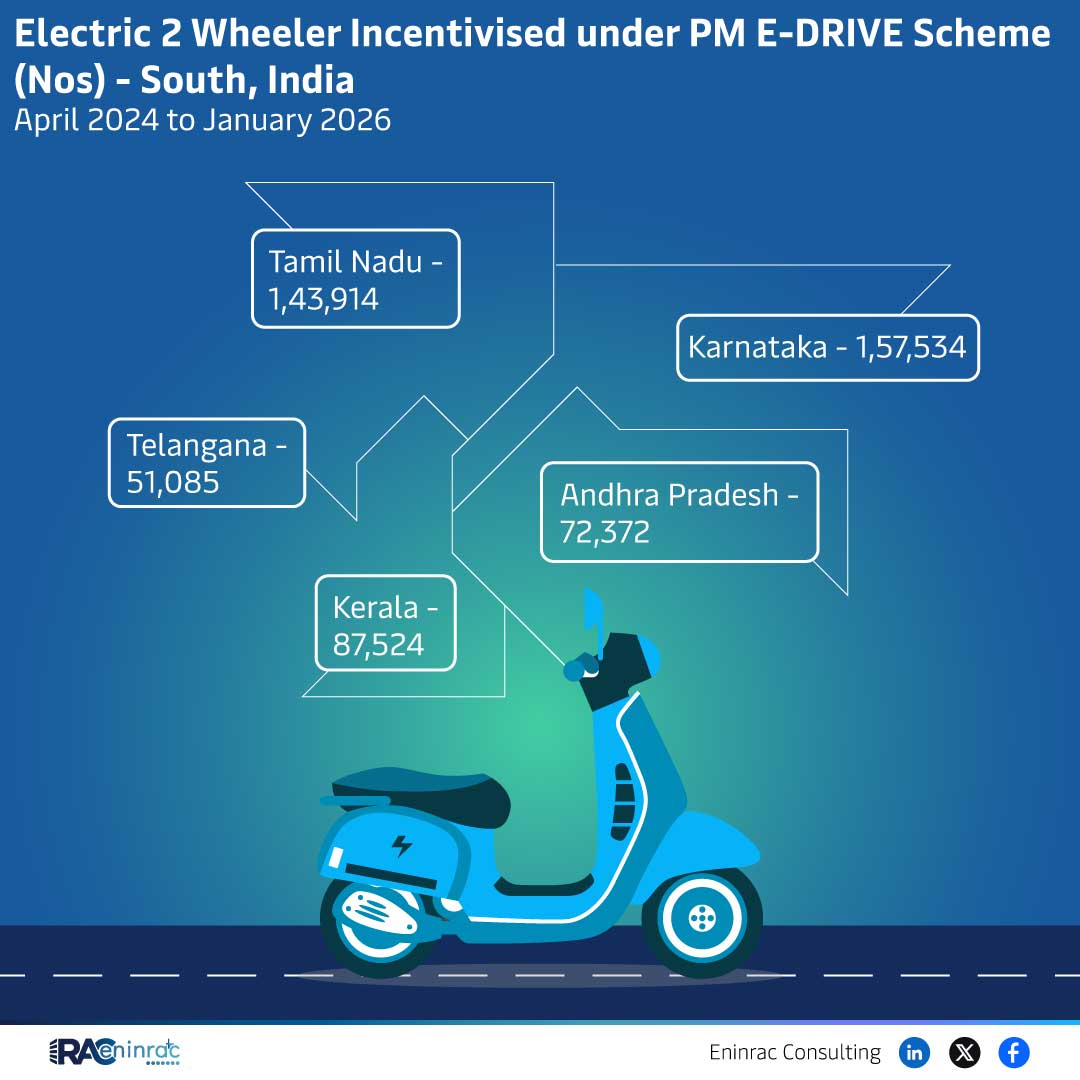
The Indian government’s PM E‑DRIVE scheme is accelerating electric two‑wheeler adoption by offering substantial financial incentives. Covering the period from April 2024 to January 2026, the programme targets key southern states—Telangana, Karnataka and Andhra Pradesh—providing a total incentive pool of over 11,500 million INR. This article breaks down the raw incentive data, highlights regional trends, and explains what the numbers mean for investors, manufacturers, and consumers.
What does the data reveal about this topic?
Q: How much incentive funding is allocated to each southern state?
A: Telangana receives 5,051.7 million INR, Karnataka 10,642.7 million INR, and Andhra Pradesh (data incomplete) contributes the remainder of the 11,516.39 million INR total. The figures show Karnataka as the leading beneficiary, followed by Telangana.
Regional Incentive Landscape Under PM E‑DRIVE
Karnataka’s higher allocation reflects its robust EV manufacturing ecosystem and strong policy support, positioning the state as a hub for electric two‑wheelers. Telangana’s sizable share underscores its rapid urbanisation and growing demand for clean mobility. Although the Andhra Pradesh figure is partially missing, the combined total indicates a focused push in the south to replace conventional scooters with electric alternatives.
Impact on Sectors and Industries
The incentive flow influences several key sectors:
- EV manufacturers: Increased cash flow enables scaling of production lines, R&D for longer‑range batteries, and price reductions for end‑users.
- Battery suppliers: Higher demand for EV batteries drives investment in local cell factories and advances in lithium‑ion technology.
- Investors and venture capital: Clear government backing reduces risk, attracting capital to startups focused on charging infrastructure and battery recycling.
- Policy makers: Data‑driven insights help refine subsidy structures, ensuring equitable distribution across high‑growth states.
- Consumers: Subsidies lower purchase prices, making electric two‑wheelers more affordable for daily commuters.
Key Takeaways
- Karnataka leads the southern incentive allocation, highlighting its strategic role in India’s EV ecosystem.
- Telangana’s substantial funding signals strong state‑level commitment to clean mobility.
- The total incentive pool of 11,516.39 million INR underscores the scale of government support for electric two‑wheelers.
- Investors can expect heightened activity in battery manufacturing and charging infrastructure in the south.
- Consumers in Karnataka and Telangana will benefit from lower upfront costs for electric scooters.
- Accurate data tracking is essential for future policy adjustments and transparent fund utilisation.
FAQs
What is the PM E‑DRIVE scheme?
It is a central government initiative that provides financial incentives to promote the adoption of electric two‑wheelers across India.
How long does the incentive period last?
The current allocation covers April 2024 through January 2026.
Which southern state receives the highest incentive?
Karnataka, with an allocation of 10,642.7 million INR.
Why are electric two‑wheelers important for India?
They offer a low‑cost, low‑emission alternative to petrol scooters, helping reduce urban air pollution and oil import dependence.
How can investors benefit from this data?
By targeting funding toward battery manufacturers, charging networks, and EV startups in high‑incentive states like Karnataka and Telangana.