
Introduction
The Government of India’s PM E‑DRIVE scheme is accelerating the adoption of electric two‑wheelers (2Ws) across the country. In the North‑East region, the program runs from April 2024 to January 2026, offering financial incentives to manufacturers and buyers. This article breaks down the incentive allocation for each state, explains why the data matters, and shows what investors, policymakers, and consumers can expect.
What does the data reveal about this topic?
Q: Which North‑East states receive the highest E‑DRIVE incentives?
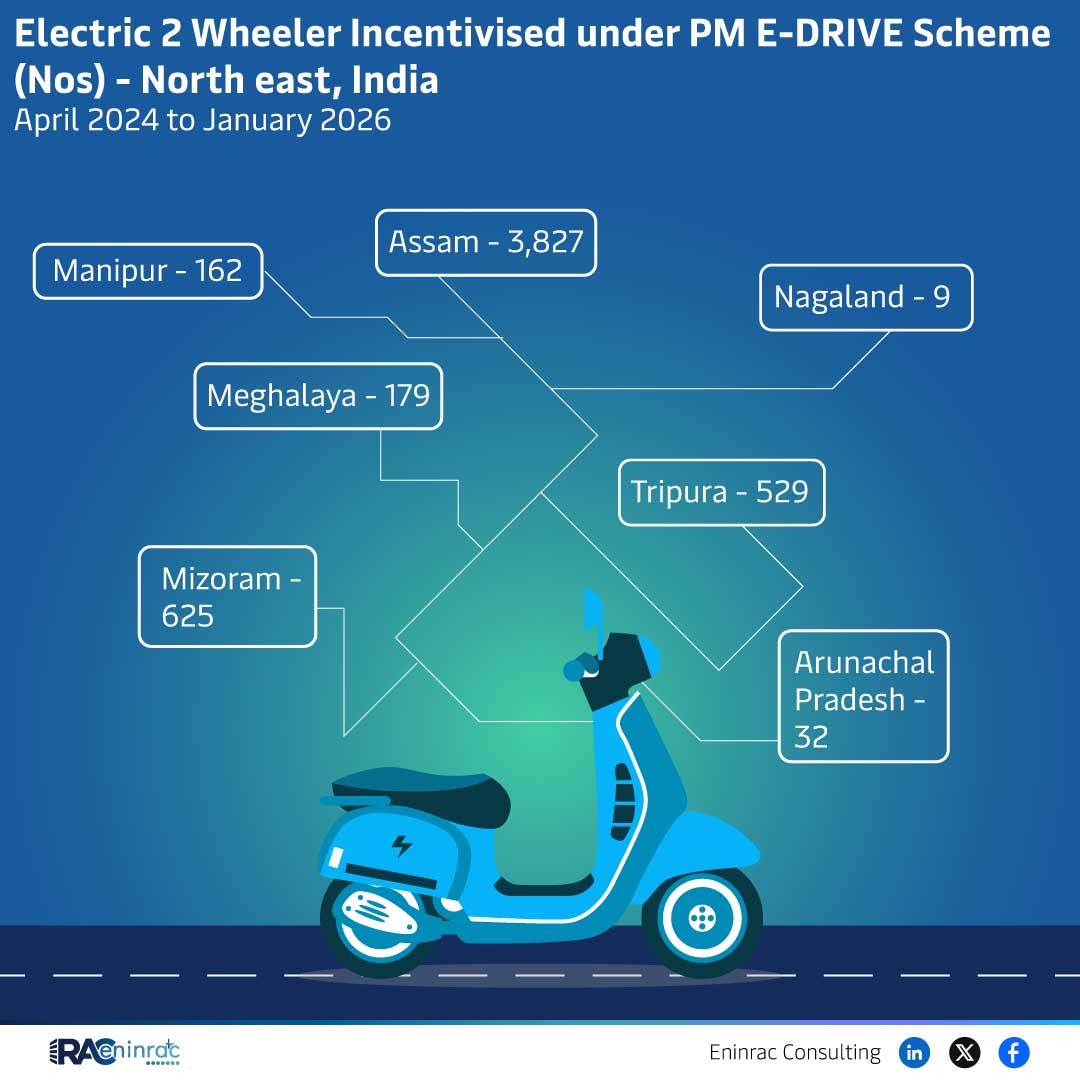
A: Assam leads with a total incentive pool of ₹375.91 million, followed by Mizoram with ₹31.69 million and Manipur with ₹17.52 million. Arunachal Pradesh currently shows no allocated funds.
Comparative Insight: State‑wise Incentive Distribution
Assam’s allocation dwarfs the other states, accounting for roughly 85 % of the total North‑East budget. Mizoram’s share is modest but significant for a smaller market, while Manipur’s allocation is the lowest among the three reporting states. The absence of funds for Arunachal Pradesh suggests either pending approval or a strategic focus on other regions.
Impact on Sectors and Industries
The incentive structure directly influences several key sectors:
- EV Manufacturing: Higher subsidies in Assam attract manufacturers to set up assembly lines, creating jobs and boosting local supply chains.
- Battery Production: Increased 2W sales drive demand for lithium‑ion batteries, encouraging investment in battery plants and recycling facilities.
- Renewable Energy Integration: More electric vehicles raise the need for clean charging infrastructure, spurring growth in solar‑powered charging stations.
- Investment Landscape: Clear government support reduces risk, making the North‑East an attractive destination for private equity and venture capital focused on clean mobility.
- Policy Making: Data‑driven insights help policymakers fine‑tune incentive levels and address gaps, such as the missing allocation for Arunachal Pradesh.
Key Takeaways
- Assam receives the bulk of PM E‑DRIVE funding in the North‑East, positioning it as the region’s electric‑mobility hub.
- Mizoram and Manipur have modest but growing incentive pools, indicating early‑stage market development.
- The lack of funds for Arunachal Pradesh highlights a potential policy lag or pending approval.
- Incentive concentration will likely accelerate EV manufacturing and battery supply chains in Assam.
- Renewable charging infrastructure will expand alongside vehicle adoption, supporting broader clean‑energy goals.
- Investors should monitor state‑level policy updates to capitalize on emerging opportunities in the North‑East.
FAQs
What is the duration of the PM E‑DRIVE scheme for the North‑East?
The scheme runs from April 2024 through January 2026, covering a 22‑month period.
How much incentive does Assam receive under the scheme?
Assam is allocated ₹375.91 million, the largest share among North‑East states.
Why does Arunachal Pradesh have no listed incentive amount?
The data may reflect pending approval, a strategic decision to prioritize other states, or a reporting gap.
Will the incentives apply to all electric two‑wheelers?
Yes, the scheme targets all eligible electric 2Ws sold within the specified period, subject to compliance with technical standards.
How can investors benefit from this data?
Understanding state‑wise funding helps investors identify high‑growth markets, allocate capital to battery and charging infrastructure projects, and engage with manufacturers seeking subsidies.
What role does renewable energy play in the E‑DRIVE rollout?
Increased electric vehicle usage drives demand for clean charging solutions, encouraging the deployment of solar and wind‑based charging stations across the region.