
Introduction
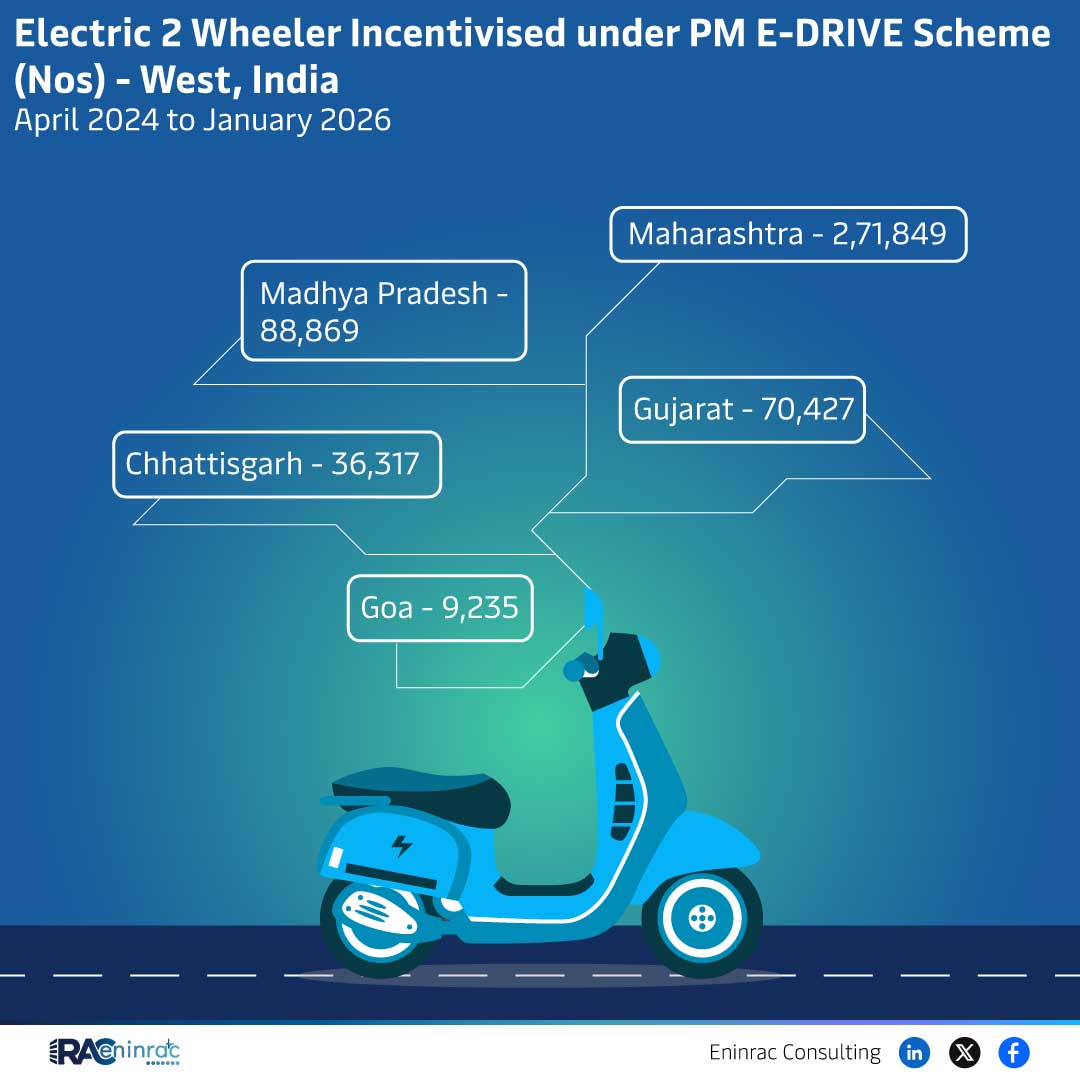
The Government of India’s PM E‑DRIVE scheme is accelerating the adoption of electric two‑wheelers across the western region. Running from April 2024 to January 2026, the programme allocates state‑specific incentives to boost sales, reduce emissions, and create a sustainable mobility ecosystem. This page breaks down the incentive amounts for Maharashtra, Madhya Pradesh and Gujarat, explains what the numbers mean, and highlights the broader impact on investors, policymakers and consumers.
What does the data reveal about this topic?
Q: Which western state receives the highest E‑DRIVE incentive?
A: Maharashtra leads with an allocated incentive of 17,168.05 units, followed by Gujarat at 24,794 units and Madhya Pradesh at 5,781.99 units. The data shows a clear concentration of funding in Maharashtra, reflecting its larger market size and policy focus.
State‑wise incentive comparison under PM E‑DRIVE
The incentive distribution highlights three key trends. First, Maharashtra’s figure, though the highest, is still modest compared with Gujarat’s absolute number, indicating that Gujarat may be leveraging additional state schemes alongside the central grant. Second, Madhya Pradesh’s lower allocation points to either a smaller electric‑two‑wheeler market or a different prioritisation strategy. Third, the overall funding pool across the three states totals roughly 47,744 units, underscoring the central government’s commitment to electrify the western mobility segment.
Impact on Sectors and Industries
These incentives ripple through multiple sectors. Battery manufacturers and EV component suppliers stand to gain from increased demand, prompting higher production volumes and potential price reductions. Financial institutions see new loan‑product opportunities for consumers purchasing electric two‑wheelers. Policymakers can use the data to fine‑tune regional subsidies, while city planners may accelerate charging‑infrastructure roll‑outs in high‑incentive zones. For consumers, the subsidies translate into lower upfront costs, making electric two‑wheelers a more attractive alternative to conventional scooters.
Key Takeaways
- Maharashtra receives the largest PM E‑DRIVE incentive allocation in the western region.
- Gujarat’s absolute incentive amount surpasses Maharashtra, suggesting complementary state‑level support.
- Madhya Pradesh’s lower figure indicates a need for targeted outreach to boost EV adoption.
- The combined incentive pool of ~47,744 units reflects strong central commitment to electric mobility.
- Battery and component manufacturers are positioned for growth due to increased two‑wheeler demand.
- Consumers benefit from reduced purchase prices, accelerating the shift to greener transport.
FAQs
What is the PM E‑DRIVE scheme?
PM E‑DRIVE is a central government initiative that provides financial incentives to promote the purchase of electric two‑wheelers, aiming to reduce pollution and dependence on fossil fuels.
How long does the incentive period run?
The scheme is active from April 2024 through January 2026 for the western states listed.
Can the incentives be combined with state subsidies?
Yes, many states, such as Gujarat, layer additional subsidies on top of the central grant, increasing the total benefit for buyers.
Which sector benefits the most from these incentives?
The EV battery and component manufacturing sector experiences the greatest demand surge, followed by financing and charging‑infrastructure providers.
How can investors use this data?
Investors can identify high‑growth markets, allocate capital to battery producers, and track policy‑driven opportunities in the western region.