
Introduction
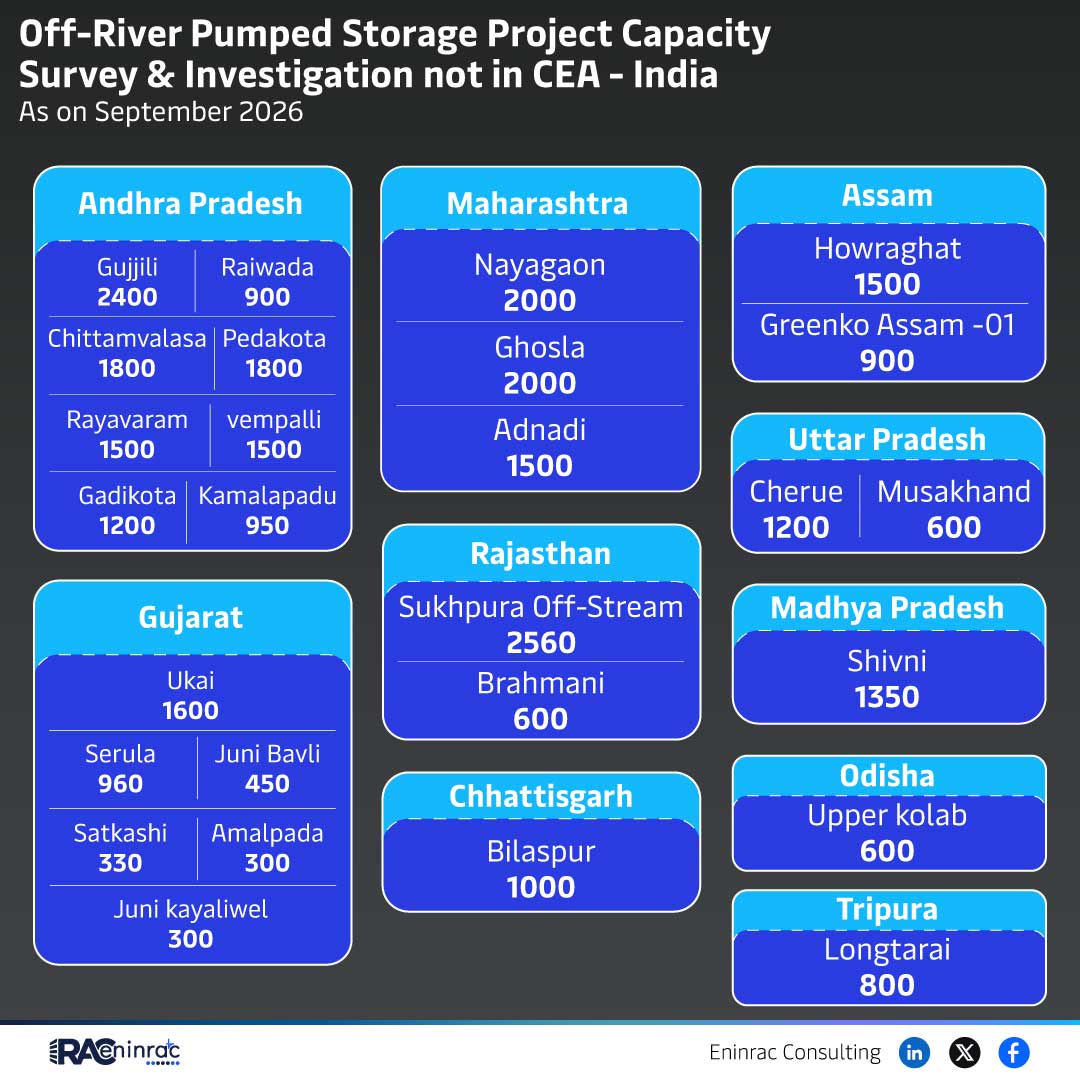
The 2026 off‑river pumped storage capacity dataset provides a concise snapshot of how India is distributing hydro‑electric storage projects across its states. With the nation pushing for greater renewable integration, understanding where pumped storage resources are located helps investors, policymakers, and energy planners gauge future grid stability and investment opportunities. This article unpacks the raw capacity numbers, highlights regional leaders, and outlines the broader implications for India’s energy transition.
What Does the Data Reveal About This Topic?
Does the capacity data indicate uneven development of off‑river pumped storage across Indian states? The answer is yes: certain states such as Maharashtra, Andhra Pradesh, and Madhya Pradesh dominate the capacity totals, while others like Rajasthan and Gujarat show more modest figures. This imbalance reflects varying state policies, water resource availability, and historic investment patterns, offering insight into where future project pipelines may emerge.
Regional Capacity Comparison of Off‑River Pumped Storage Projects
Analyzing the listed capacities, Maharashtra leads with multiple entries totaling over 2,400 MW, followed closely by Andhra Pradesh and Assam with capacities in the 1,800‑2,000 MW range. Madhya Pradesh presents a mixed picture with projects like Ukai and Brahmani contributing 1,600 MW and 600 MW respectively. Uttar Uttar Pradesh and Chhattisgarh register smaller, yet notable capacities around 1,200 MW and 900 MW. States such as Rajasthan and Gujarat report lower figures, generally under 1,000 MW. This distribution underscores the strategic focus on water‑rich regions and highlights opportunities for capacity expansion in under‑served areas.
Impact on Sectors and Industries
The spread of off‑river pumped storage capacity directly influences India’s renewable energy sector by providing grid‑scale storage that can balance intermittent solar and wind generation. For investors, the concentration of projects in high‑capacity states signals attractive risk‑adjusted returns, while policymakers can target incentives to stimulate development in lagging regions. The construction industry benefits from increased demand for civil works, turbines, and ancillary services, and technology providers see a growing market for advanced pump‑turbine solutions. Overall, the expanding storage portfolio enhances grid reliability, reduces curtailment, and supports India’s climate goals.
Key Takeaways
- Maharashtra, Andhra Pradesh, and Assam hold the highest off‑river pumped storage capacity.
- State‑level policy differences drive the uneven geographic distribution.
- Capacity totals exceed 10,000 MW, underscoring rapid sector growth.
- Under‑served states present future investment opportunities.
- Enhanced storage improves renewable integration and grid stability.
- Stakeholders must align financing, regulation, and technology to sustain momentum.
FAQs
Which Indian states have the largest off‑river pumped storage capacity?
Maharashtra, Andhra Pradesh and Assam lead with combined capacities over 6,000 MW, reflecting strong state support and favorable water resources.
How does pumped storage support renewable energy integration?
It stores excess generation during low demand and releases power during peaks, smoothing variability from wind and solar farms.
What are the main challenges for expanding pumped storage in India?
Key challenges include land acquisition, water rights, high upfront capital costs, and the need for clear policy frameworks.
Are private investors actively participating in pumped storage projects?
Yes, both domestic and international investors are attracted by long‑term power purchase agreements and government incentives.
What future trends are expected for off‑river pumped storage?
We anticipate increased modular designs, greater integration with digital grid management, and a focus on under‑represented states to achieve balanced national capacity.