
Introduction
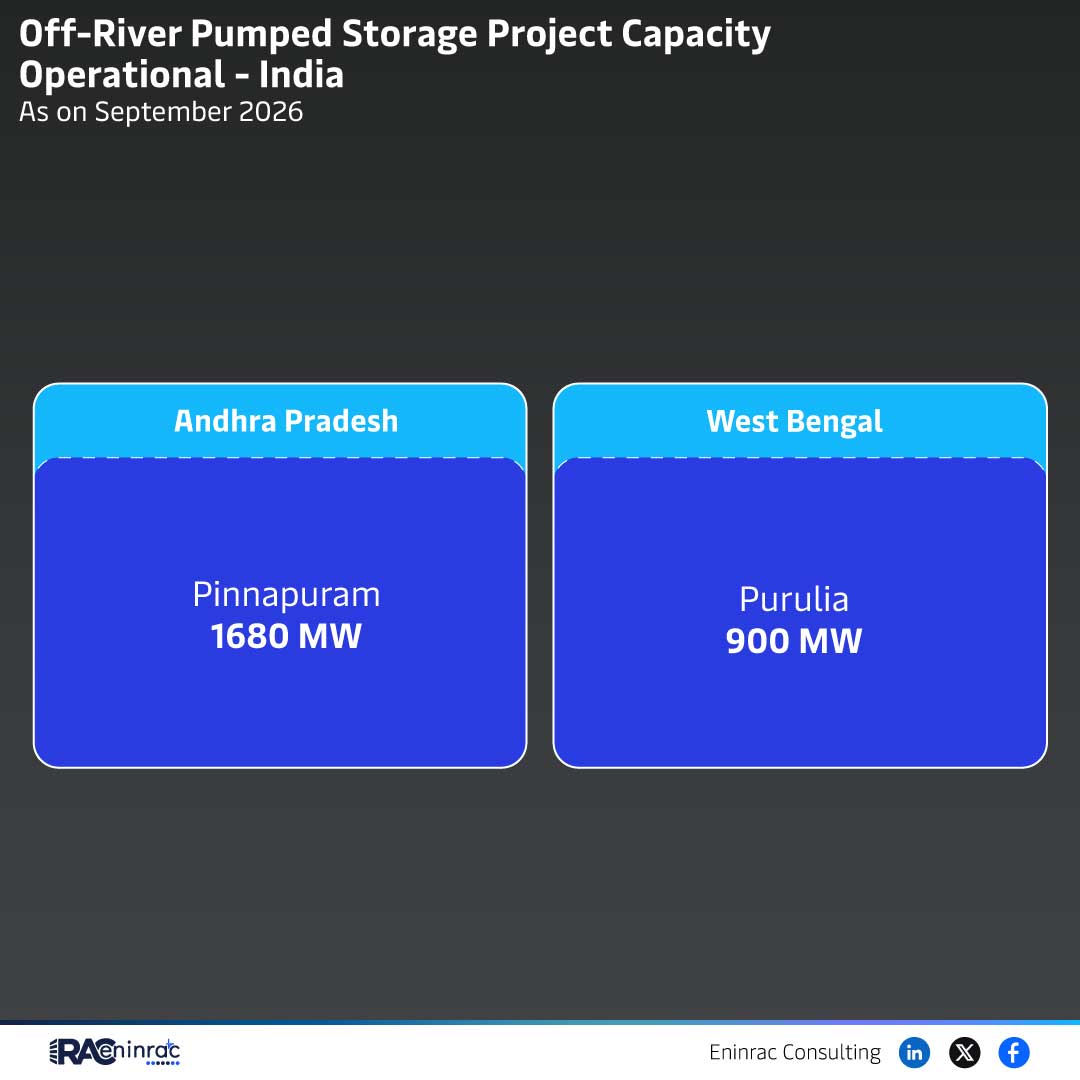
The recent release of Off‑River Pumped Storage Project Capacity data for India highlights the operational strength of the Pinnapuram Purulia complex. With a combined capacity of 2,580 MW—split between 1,680 MW of upper‑reservoir generation and 900 MW of lower‑reservoir generation—the project exemplifies how large‑scale hydro storage can support a growing renewable grid. This article unpacks the numbers, puts them in a regional and sectoral context, and explains why investors, policymakers, and energy planners should pay close attention. The data also signals a shift toward integrated water‑energy strategies across the subcontinent.
What Does the Data Reveal About This Topic?
The data answers a simple yet powerful question: how much stored energy is currently available from off‑river pumped storage in India? The answer is 2,580 MW of operational capacity at the Pinnapuram Purulia site as of September 2026. This figure demonstrates that off‑river pumped storage is no longer a niche technology but a mainstream asset that can be mobilised quickly to balance supply and demand, especially as solar and wind output become more variable.
Capacity Breakdown of the Pinnapuram Purulia Project
The Pinnapuram Purulia complex consists of two distinct generation stages. The first stage delivers 1,680 MW using an upper‑reservoir turbine bank that stores water during low‑demand periods and releases it during peak demand. The second stage adds a 900 MW lower‑reservoir unit, providing additional flexibility and enabling faster response times. Together, the two stages create a versatile 2,580 MW battery that can shift large amounts of energy across daily and seasonal cycles, reinforcing grid stability and reducing reliance on fossil‑fuel peaker plants.
Impact on Sectors and Industries
Off‑river pumped storage influences several key industries. In the power sector, it offers a cost‑effective alternative to battery storage for gigawatt‑scale balancing, lowering overall system costs. Renewable developers benefit from a more predictable dispatch environment, encouraging further solar and wind investments. Financial markets see new opportunities for green bonds and infrastructure funds seeking low‑carbon, long‑duration assets. Policymakers gain a tangible tool to meet national emissions targets while ensuring energy security, and equipment manufacturers experience heightened demand for turbines, pumps, and control systems. Additionally, the project creates local jobs and stimulates regional manufacturing supply chains.
Key Takeaways
- The Pinnapuram Purulia site provides a total of 2,580 MW off‑river pumped storage capacity.
- Capacity is split between 1,680 MW (upper reservoir) and 900 MW (lower reservoir) units.
- Off‑river pumped storage delivers rapid response and long‑duration discharge, complementing variable renewables.
- The technology reduces the need for fossil‑fuel peaker plants, supporting India’s decarbonisation goals.
- Investors view pumped storage as a stable, low‑risk asset class for long‑term infrastructure portfolios.
- Policymakers can leverage pumped storage to enhance grid resilience and meet renewable integration targets.
FAQs
What is off‑river pumped storage?
Off‑river pumped storage uses man‑made reservoirs located away from natural rivers to store water at different elevations, generating electricity by releasing water through turbines when needed.
Why is the Pinnapuram Purulia project significant?
It is one of the largest operational off‑river pumped storage facilities in India, providing 2,580 MW of flexible, low‑carbon power that aids renewable integration.
How does pumped storage complement solar and wind?
When solar or wind output falls, stored water can be released to generate power, smoothing out fluctuations and preventing blackouts.
What are the main investors in pumped storage projects?
Typical investors include sovereign wealth funds, green infrastructure funds, renewable energy companies, and multilateral development banks seeking stable returns.
Can pumped storage reduce electricity costs for consumers?
By lowering reliance on expensive diesel generators and smoothing peak‑load pricing, pumped storage can help stabilise tariffs over the long term.