
Introduction
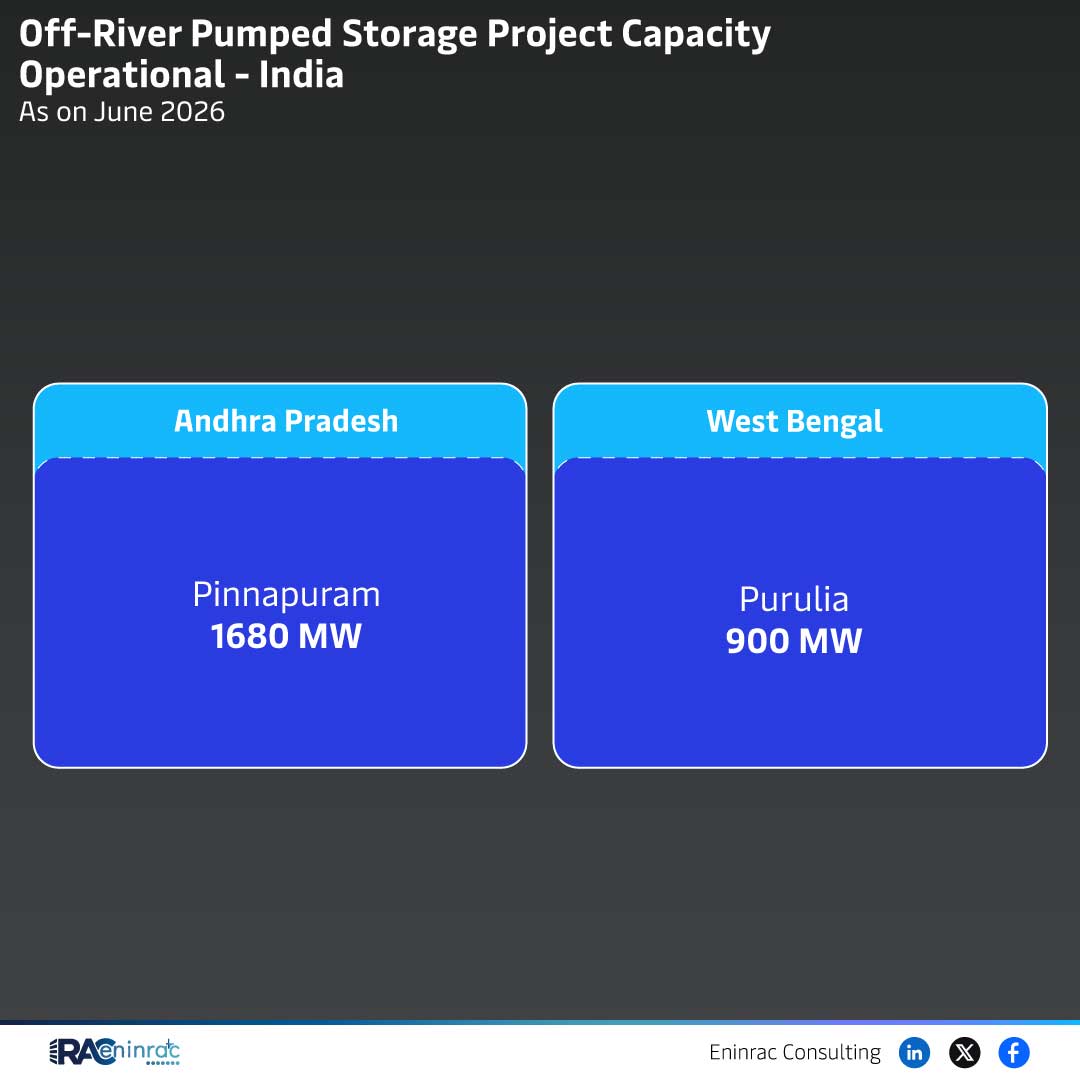
India’s push toward sustainable power generation continues to gain momentum, and a central component of this transition is the development of off‑river pumped storage facilities. As of June 2026, two key projects—Pinnapuram and Purulia—are operational, delivering combined capacities of 2,580 megawatts. Understanding the scale, location, and implications of these projects provides insight into how India is enhancing grid stability, accommodating renewable influx, and positioning itself as a leader in large‑scale energy storage.
What Does the Data Reveal About This Topic?
The raw data shows that the Pinnapuram project contributes 1,680 MW while the Purulia plant adds 900 MW of off‑river pumped storage capacity. Together they represent a significant step toward balancing intermittent renewable sources such as solar and wind. The figures also highlight India’s strategic focus on expanding storage capabilities beyond traditional river‑based hydro schemes.
Regional Distribution and Capacity Comparison
Both projects are situated in different states, reflecting a geographic diversification strategy. Pinnapuram, with its larger 1,680 MW output, is located in a region with high solar penetration, enabling effective night‑time power discharge. Purulia’s 900 MW capacity, while smaller, serves an area with expanding wind farms, underscoring how off‑river pumped storage can be tailored to regional renewable mixes. Compared with global benchmarks, these capacities place India among the top nations deploying sizable pumped storage solutions without relying on existing river systems.
Impact on Sectors and Industries
The activation of these storage assets influences multiple sectors. Energy utilities gain a reliable tool for load balancing, reducing reliance on fossil‑fuel peaker plants. Investors see heightened confidence in renewable projects, knowing that excess generation can be stored and dispatched when needed. Policymakers receive data to shape incentives for similar off‑river initiatives, while equipment manufacturers benefit from increased demand for turbines, pumps, and control systems specifically designed for pumped storage.
Key Takeaways
- Pinnapuram provides the larger share of capacity at 1,680 MW, aiding solar‑rich regions.
- Purulia contributes 900 MW, supporting wind‑heavy zones.
- Combined, the projects add 2,580 MW of off‑river pumped storage to India’s grid.
- The locations illustrate a strategic geographic spread to match regional renewable profiles.
- These facilities enhance grid reliability, reduce curtailment, and lower dependence on fossil backup.
- Successful operation sets a precedent for future off‑river pumped storage deployments across the country.
FAQs
What is off‑river pumped storage?
Off‑river pumped storage is a hydroelectric system that stores energy by moving water between two reservoirs located away from natural rivers, allowing power generation on demand.
Why choose off‑river sites over traditional river‑based plants?
Off‑river sites avoid ecological disruption to river ecosystems, offer flexible siting, and can be built near renewable generation hubs for optimal integration.
How does the capacity of Pinnapuram compare to Purulia?
Pinnapuram’s 1,680 MW capacity is nearly double Purulia’s 900 MW, reflecting its role in regions with higher solar output and greater storage demand.
What benefits do these projects bring to Indian consumers?
Consumers benefit from more stable electricity prices, fewer blackouts, and a cleaner energy mix as stored renewable power replaces expensive fossil‑fuel generation.
Will more off‑river pumped storage projects be built in India?
Given the success of Pinnapuram and Purulia, the government and private sector are actively evaluating additional sites to further expand India’s renewable energy storage capacity.