
Introduction
India’s off‑river pumped storage projects are gaining attention as the country seeks to balance growing electricity demand with clean energy goals. The latest capacity figures, compiled as of April 2026, highlight several key installations such as Shirwata, Kandhaura, Pane, and Upper Indravati. This article explains what these numbers mean, compares project sizes, and examines their impact on the energy sector.
What Does the Data Reveal About This Topic?
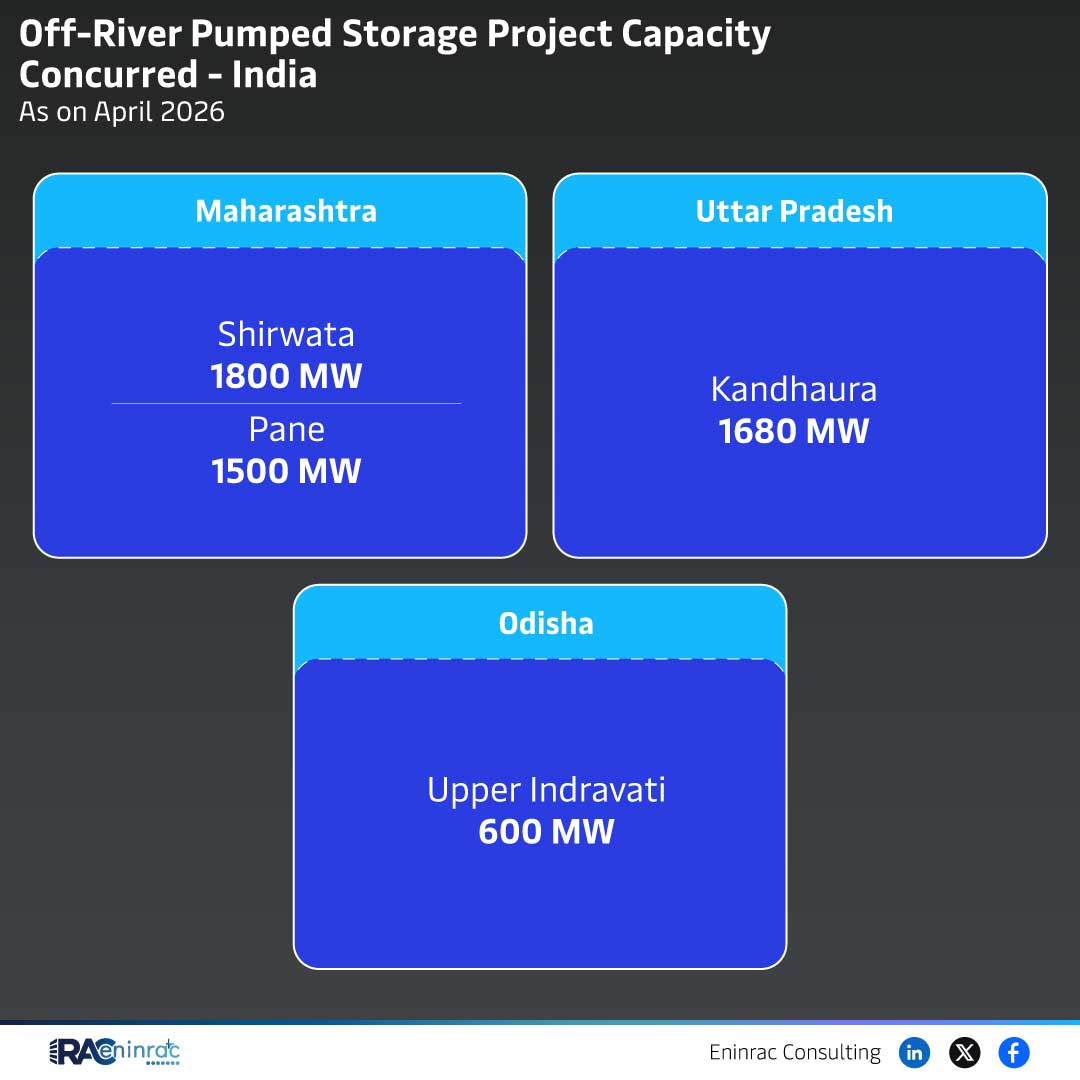
The data shows that off‑river pumped storage capacity in India totals roughly 5,880 MW, with Shirwata leading at 1,800 MW. The question arises: why are these projects important for India’s grid stability? The answer lies in their ability to store excess renewable generation and release it during peak demand, thereby supporting grid reliability and reducing reliance on fossil‑fuel peaking plants.
Comparative Capacity Analysis of Major Projects
Shirwata’s 1,800 MW makes it the largest off‑river pumped storage facility, followed by Kandhaura at 1,680 MW and Pane at 1,680 MW. Upper Indravati contributes a smaller yet significant 600 MW. The variation in capacity reflects differences in site topography, water availability, and investment levels. Larger projects tend to attract more private and foreign investment, while smaller sites often serve regional grid needs.
Impact on Sectors and Industries
These pumped storage projects influence multiple sectors. For investors, they represent long‑term, low‑risk assets with stable cash flows. Policymakers view them as tools to meet renewable energy targets and reduce carbon emissions. Utilities benefit from enhanced load‑following capability, and manufacturers of turbines and power electronics see increased demand. Consumers ultimately gain from more reliable electricity and potentially lower tariffs.
Key Takeaways
- India’s off‑river pumped storage capacity reaches nearly 5,900 MW as of April 2026.
- Shirwata leads with 1,800 MW, highlighting its strategic importance.
- Projects vary in size, reflecting geographic and financial factors.
- Pumped storage supports renewable integration and grid stability.
- Investors gain access to long‑term, low‑risk energy assets.
- Policymakers can leverage these projects to meet climate commitments.
FAQs
What is off‑river pumped storage?
It is a type of hydroelectric energy storage that uses two separate reservoirs at different elevations, allowing water to be pumped uphill during low demand and released to generate power during peak demand.
How does pumped storage help renewable energy?
It stores excess solar or wind power and releases it when generation falls, smoothing out variability and reducing curtailment.
Why is Shirwata considered a flagship project?
Its 1,800 MW capacity makes it the largest in India, providing significant grid support and attracting major investment.
Are there environmental concerns with off‑river projects?
While they avoid river diversion, they still require land and water resources, so careful site selection and impact assessments are essential.
What is the expected timeline for new pumped storage projects?
Most projects aim for commissioning between 2027 and 2032, aligning with India’s 2030 renewable targets.