
Introduction
The Bharatmala Pariyojana, India’s flagship highway development programme, continues to reshape transport corridors in the western region. As of July 2026, the progress of National Highways under this scheme in Chhattisgarh, Gujarat, Maharashtra and Madhya Pradesh provides critical insight for investors, policymakers and logistics firms. This article explains the latest figures, highlights regional differences and explores the broader impact on the economy.
What Does the Data Reveal About This Topic?
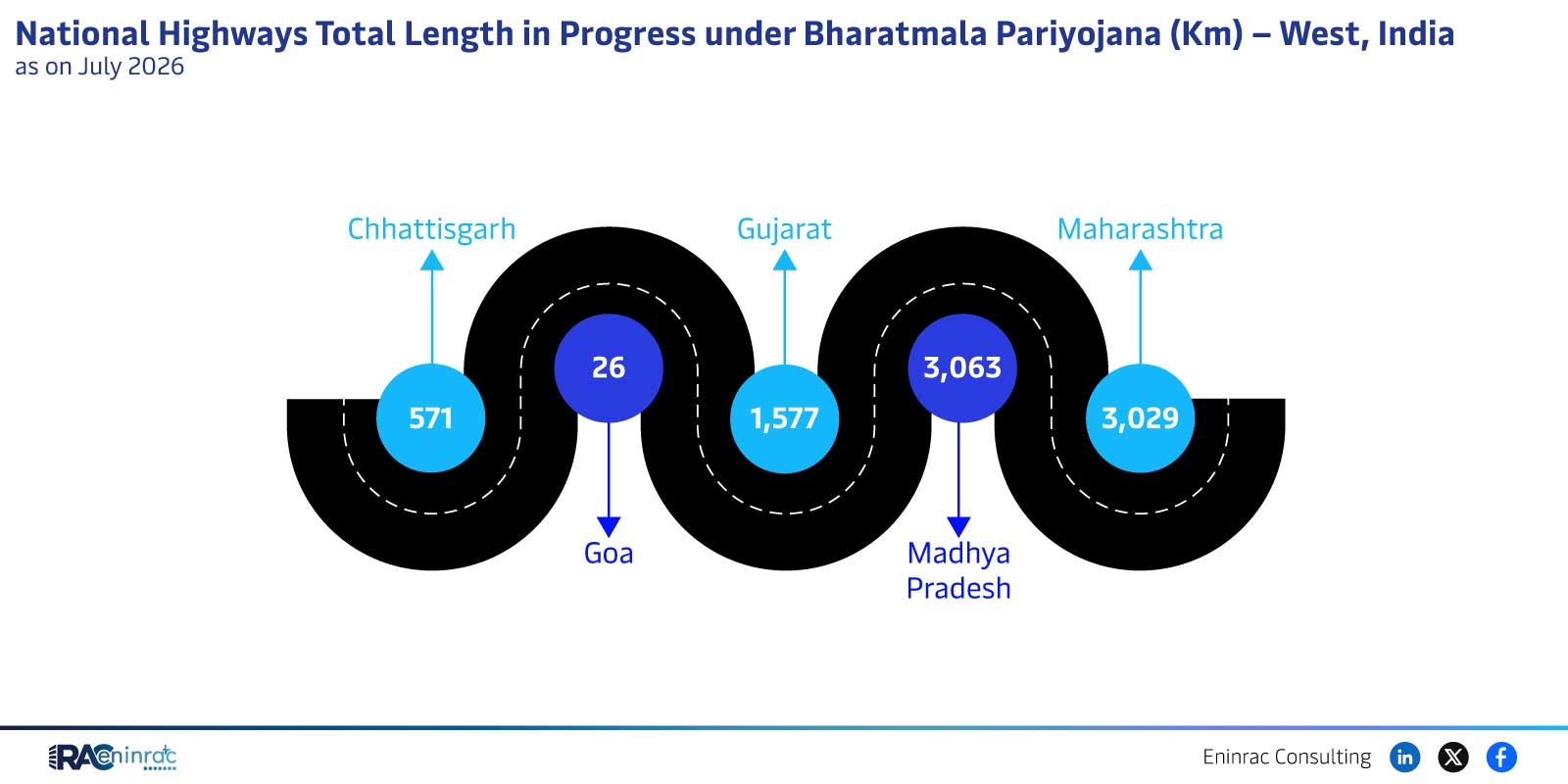
What does the latest data tell us about National Highways progress Bharatmala Pariyojana West India? The numbers indicate a steady increase in kilometres of road under construction across the four states, with Gujarat leading in total length, while Madhya Pradesh shows the fastest growth rate. The data underscores the government’s commitment to expanding connectivity and reducing travel time across the western corridor.
West Indian Highway Progress Highlights
Comparative analysis shows Gujarat reporting the highest cumulative kilometres of highways under progress, reflecting its strategic position as a trade gateway. Maharashtra follows with substantial mileage, driven by projects linking major industrial hubs. Chhattisgarh, though smaller in absolute terms, demonstrates notable acceleration in new stretches, while Madhya Pradesh, despite a lower base, records the steepest percentage increase year‑on‑year. These trends illustrate how each state contributes uniquely to the national network.
Impact on Sectors and Industries
The expansion of National Highways under Bharatmala Pariyojana West India influences multiple sectors. Logistics and freight companies benefit from shorter routes and lower fuel consumption, while manufacturers gain easier access to ports and markets. Real‑estate development intensifies around emerging highway corridors, attracting investment in commercial and residential projects. For policymakers, the data supports decisions on budget allocation, maintenance planning and future extensions, ensuring that infrastructure growth aligns with economic objectives.
Key Takeaways
- Gujarat leads in total kilometres of highways under construction.
- Maharashtra maintains a strong pipeline of strategic projects.
- Chhattisgarh shows rapid acceleration despite a smaller base.
- Madhya Pradesh achieves the highest percentage growth.
- Improved connectivity boosts logistics efficiency across the West.
- Infrastructure expansion creates new investment opportunities.
FAQs
Which state has the longest highway stretch under Bharatmala?
Gujarat currently holds the longest total kilometre count of highways under progress.
How does the highway growth affect logistics costs?
Better road quality and shorter routes reduce fuel usage and transit times, lowering overall logistics expenses.
What is the expected completion timeline for these projects?
Most major projects aim for completion by 2028, with phased openings starting as early as 2027.
Are private investors allowed to fund these highways?
Yes, the programme encourages public‑private partnerships to share financial risk and expertise.
How does this data help policymakers?
The statistics guide resource allocation, prioritise high‑impact corridors and monitor regional development goals.