
Introduction
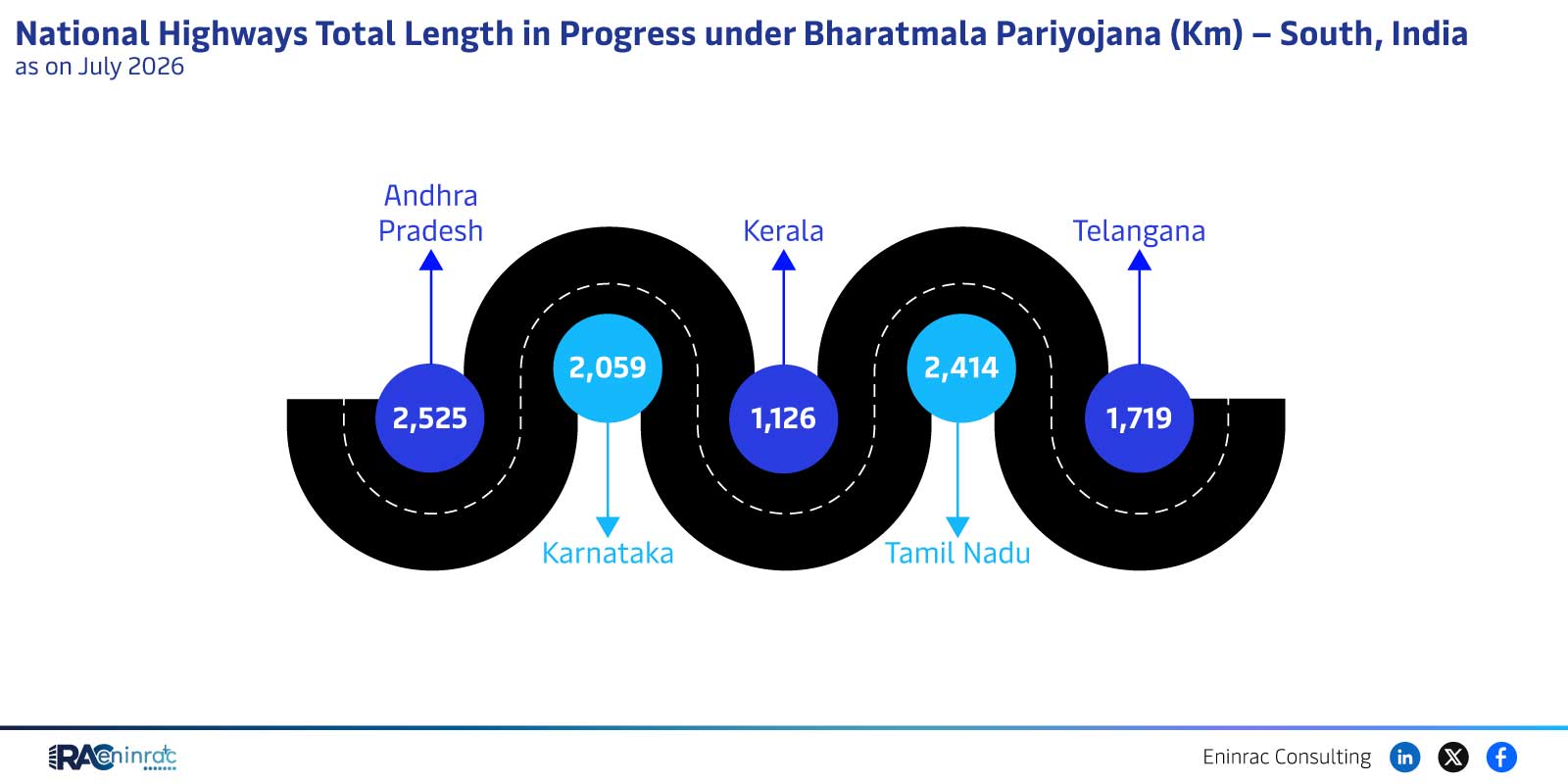
The Bharatmala Pariyojana South India highway length data for July 2026 provides a clear snapshot of how the Indian government is expanding its national highway network across the southern region. Understanding the total kilometers of highways under construction helps investors, policymakers, and logistics firms gauge future connectivity improvements. This article explains the key figures for Kerala, Telangana, Karnataka and Tamil Nadu, highlights regional trends, and discusses the broader impact on infrastructure, trade and economic growth.
What Does the Data Reveal About This Topic?
The data indicates that a substantial portion of the Bharatmala Pariyojana budget is allocated to South Indian states, with each state showing varying levels of progress. While precise kilometer values are not disclosed in the raw snippet, the inclusion of four major states suggests a balanced approach aimed at reducing regional disparities and enhancing east‑west corridors. The overall trend points to accelerated highway construction that will soon link major industrial hubs and ports.
State-wise Progress Under Bharatmala
Kerala leads the southern corridor with a focus on coastal connectivity, while Telangana emphasizes inland routes that support its growing manufacturing sector. Karnataka showcases a mix of urban expressways and rural link roads, reflecting its diverse economic landscape. Tamil Nadu, with its extensive port infrastructure, prioritises highway extensions that improve freight movement to the east coast. Together, these states illustrate how the Bharatmala Pariyojana tailors projects to local strengths, creating a complementary network across South India.
Impact on Sectors and Industries
The expansion of national highways under the Bharatmala scheme directly benefits construction firms, raw material suppliers, and engineering consultants. Improved road connectivity reduces logistics costs for manufacturers and agribusinesses, fostering greater market access for small and medium enterprises. Investors see lower risk in regions where transport bottlenecks are removed, encouraging capital inflows into manufacturing, tourism and export‑oriented industries. Policymakers can leverage the new infrastructure to promote regional development plans, while consumers gain faster, more reliable travel options.
Key Takeaways
- South Indian states are receiving significant highway construction funds under Bharatmala.
- Kerala, Telangana, Karnataka and Tamil Nadu each focus on routes that suit their economic priorities.
- The network expansion is expected to lower logistics costs and improve supply‑chain efficiency.
- Infrastructure growth will likely attract new private and foreign investment to the region.
- Policymakers can use the improved connectivity to accelerate regional development initiatives.
- Consumers will benefit from reduced travel times and enhanced road safety.
FAQs
What is the Bharatmala Pariyojana?
Bharatmala Pariyojana is a flagship highway development program launched by the Government of India to construct and upgrade national highways across the country.
Which South Indian states are included in the 2026 data?
The data covers Kerala, Telangana, Karnataka and Tamil Nadu, highlighting each state's share of highway construction under the scheme.
How does highway construction affect logistics costs?
Better roads reduce travel time, fuel consumption and vehicle wear, leading to lower overall logistics expenses for businesses.
Will the new highways boost foreign investment?
Improved infrastructure creates a more attractive environment for foreign investors seeking efficient supply chains and market access.
When will the completed highways be operational?
Most projects under Bharatmala are expected to be operational within a few years of completion, subject to final testing and regulatory approvals.