
Introduction
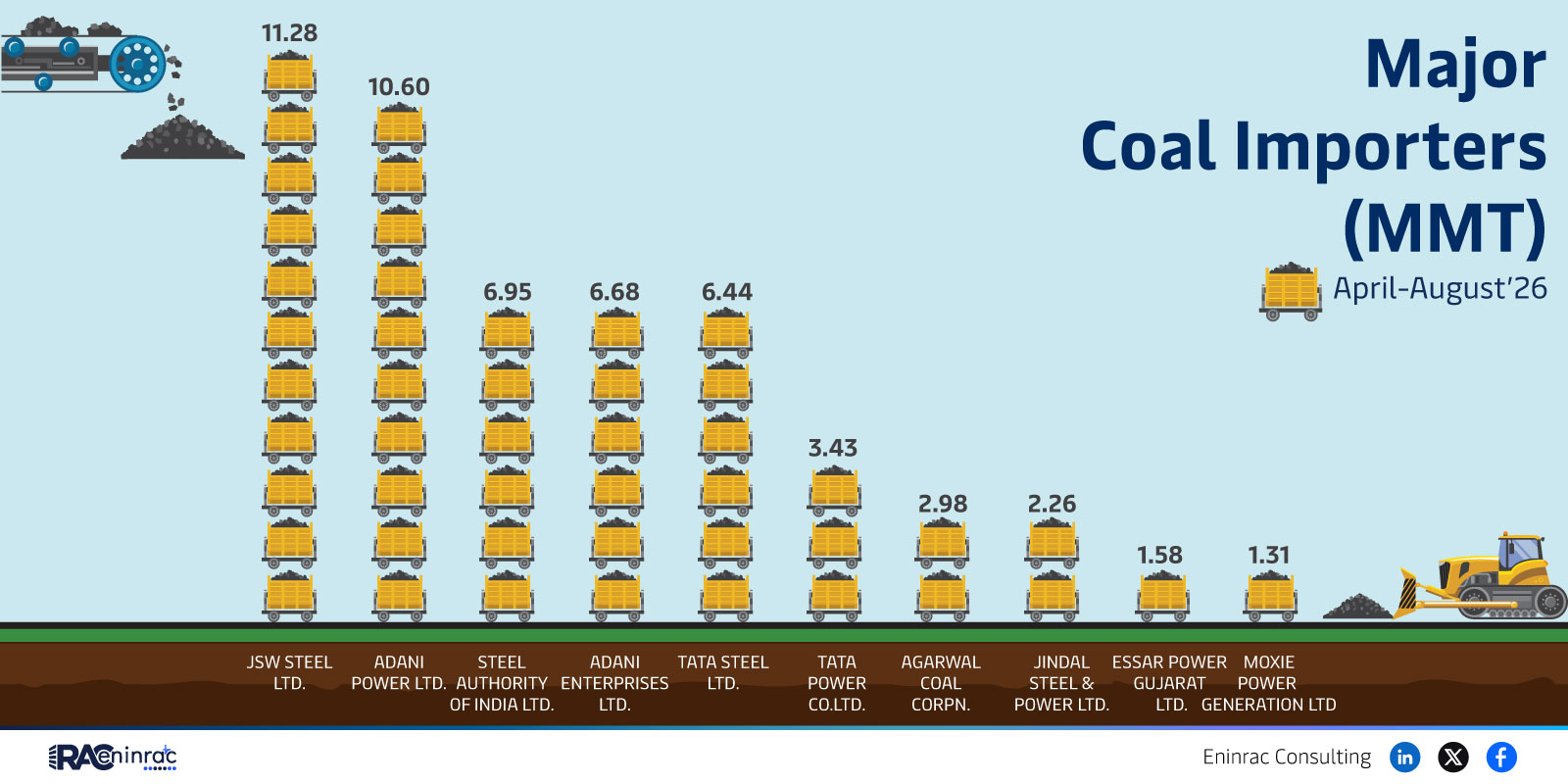
India’s industrial backbone is anchored by a handful of heavyweight steel, power and coal enterprises that shape national growth and global competitiveness. The raw data lists prominent players such as JSW Steel, Tata Steel, Adani Power, Jindal Essar Power, Agarwal Coal and several major coal importers. Understanding how these Indian steel and power companies operate, interact and influence market dynamics is essential for investors, policymakers and industry observers who want to gauge the health of the conventional energy sector in 2026. Their strategic decisions affect export earnings, regional employment, and the pace of India's transition toward a lower‑carbon energy mix, making them key indicators for market analysts worldwide.
What Does the Data Reveal About This Topic?
The data highlights that the Indian steel and power landscape is dominated by diversified conglomerates that span steel production, electricity generation and coal procurement. A key insight is the concentration of assets among a few large groups, which creates both scale advantages and systemic risk for the broader energy mix. The presence of dedicated coal importers also signals continued reliance on imported thermal coal despite ambitious renewable targets.
Comparative Landscape of Steel, Power and Coal Players
When we compare the listed firms, steel manufacturers such as JSW Steel and Tata Steel lead in domestic capacity, while also expanding into downstream power generation to secure fuel supply. Power generators like Adani Power and Gujarat Power Ltd. focus on thermal and renewable mixes, but retain strong coal partnerships. Coal‑focused entities, including Agarwal Coal Corp. and the major coal importers, act as critical suppliers that enable steady electricity output for industrial customers. This interdependence creates a tightly knit ecosystem where changes in coal pricing or steel demand ripple across power generation and investment decisions.
Impact on Sectors and Industries
The performance of Indian steel and power companies directly influences construction, automotive, infrastructure and manufacturing sectors that rely on affordable steel and reliable electricity. Investors watch project pipelines, capacity expansions and fuel contracts to assess profitability. Policymakers must balance the need for energy security with environmental commitments, making the data a bellwether for future regulatory shifts. Consumers ultimately feel the impact through electricity tariffs and the cost of steel‑based goods.
Key Takeaways
- Concentration of assets among a few large steel and power groups.
- Coal importers remain vital for thermal power continuity.
- Integrated business models link steel production with power generation.
- Market trends are shaped by global coal prices and domestic demand.
- Investment outlook hinges on policy direction for conventional energy.
- Sector interdependence amplifies risk and opportunity for stakeholders.
FAQs
Which companies dominate India’s steel sector?
JSW Steel and Tata Steel are the leading producers, with significant capacity and export orientation.
How important is coal for Indian power generation?
Coal supplies the bulk of thermal power, making coal importers a strategic asset despite renewable growth.
Do Indian steel firms also generate electricity?
Yes, many steel companies operate captive power plants and partner with power generators to ensure steady supply.
What are the investment risks in conventional energy?
Regulatory changes, fluctuating coal prices and the shift toward renewables create both challenges and opportunities.
How might policy affect these companies in 2026?
Stricter emissions standards and renewable mandates could reshape financing, asset allocation and operational focus.