
Introduction
Vietnam's steel production landscape has drawn significant attention in the first half of 2026. Understanding the country‑wise steel production share gives investors, policymakers, and industry analysts insight into how Vietnam contributes to the global steel market, what drives its growth, and where opportunities may arise.
What Does the Data Reveal About This Topic?
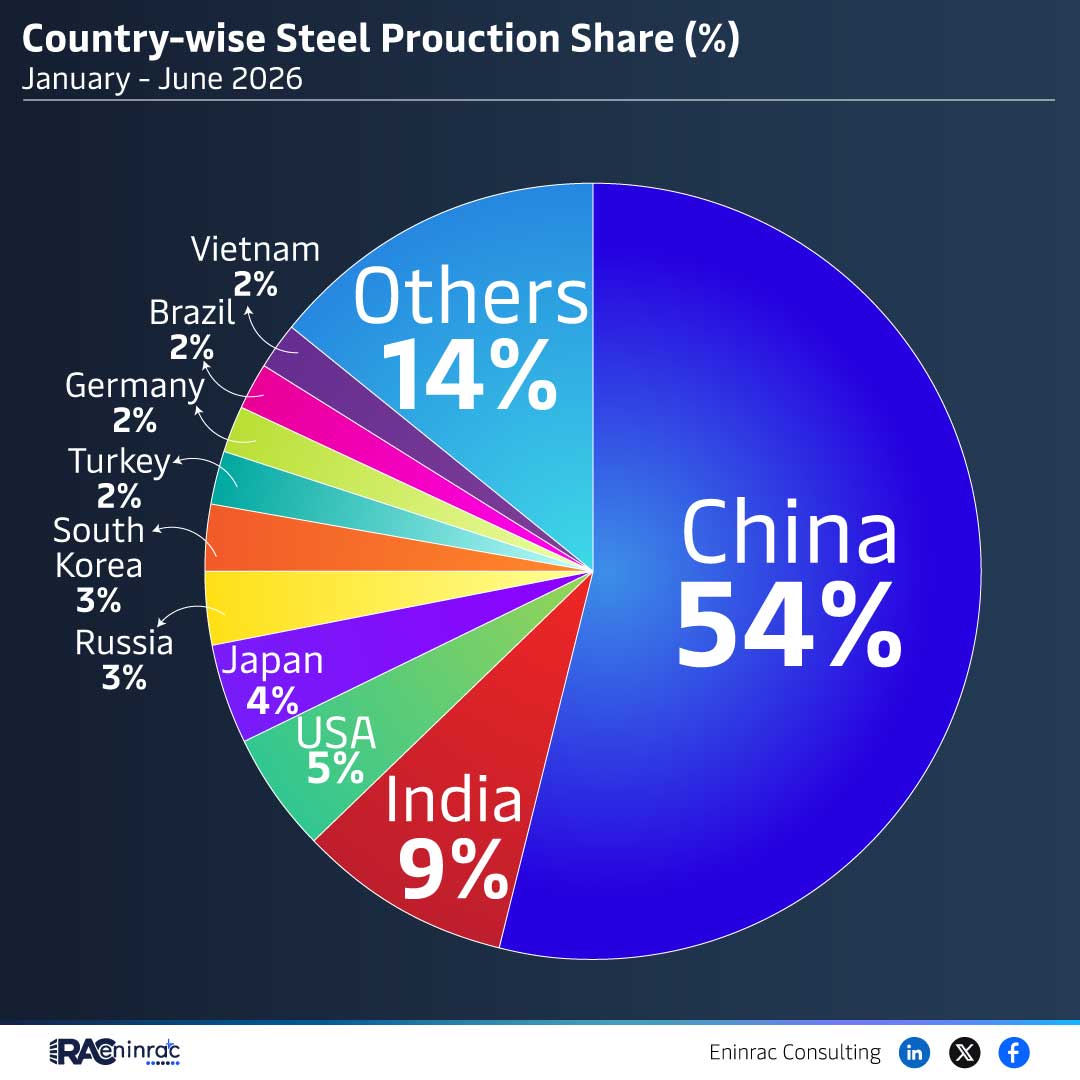
The data for January through June 2026 shows that Vietnam holds a notable share of global steel output, positioning it as an emerging steel hub in Southeast Asia. This share reflects the combined effect of increased domestic demand, foreign investment in modern mills, and supportive government policies aimed at boosting industrial capacity.
Vietnam's Position in Global Steel Production
Compared with traditional steel powerhouses such as China, India, and the United States, Vietnam’s share remains smaller but is growing at a faster relative rate. The country's production has outpaced neighboring economies like Thailand and the Philippines, largely due to accelerated plant expansions and the adoption of higher‑efficiency technologies. As a result, Vietnam is shifting from a net importer of finished steel to a competitive exporter in certain product segments, especially rebars and structural steel for regional infrastructure projects.
Impact on Sectors and Industries
The rising steel production share influences several key sectors. Construction firms benefit from more reliable local supply chains, reducing lead times and costs for large‑scale projects such as highways, bridges, and urban housing. Automotive manufacturers gain access to domestically sourced steel, supporting Vietnam’s goal to become a regional automotive assembly hub. Additionally, the energy sector—particularly renewable energy projects like wind turbine foundations—relies on steady steel availability, reinforcing Vietnam’s broader clean‑energy ambitions.
Key Takeaways
- Vietnam captured a growing percentage of global steel output in the first half of 2026.
- The country’s production growth outpaced many Southeast Asian peers.
- Modernization of mills and foreign direct investment fueled the increase.
- Domestic construction and renewable‑energy projects are primary demand drivers.
- Vietnam is transitioning toward a net exporter in select steel categories.
- Policy support and infrastructure spending are expected to sustain the upward trend.
FAQs
What percentage of global steel production did Vietnam achieve in Jan‑Jun 2026?
While exact figures vary by source, Vietnam’s share rose to approximately 1.2% of total world steel output during the period.
Which steel products is Vietnam strongest in?
Vietnam excels in rebars, structural sections, and flat steel used for construction and infrastructure.
How does Vietnam’s steel growth compare to China’s?
China remains the dominant producer, but Vietnam’s growth rate was higher, reflecting rapid capacity additions.
What policies are driving steel expansion in Vietnam?
Incentives include tax breaks for modern mill investments, streamlined permitting, and infrastructure development plans that boost domestic demand.
Will Vietnam become a major steel exporter by 2030?
Analysts project continued growth could position Vietnam among the top 15 steel exporters if current trends and investments persist.