
Introduction
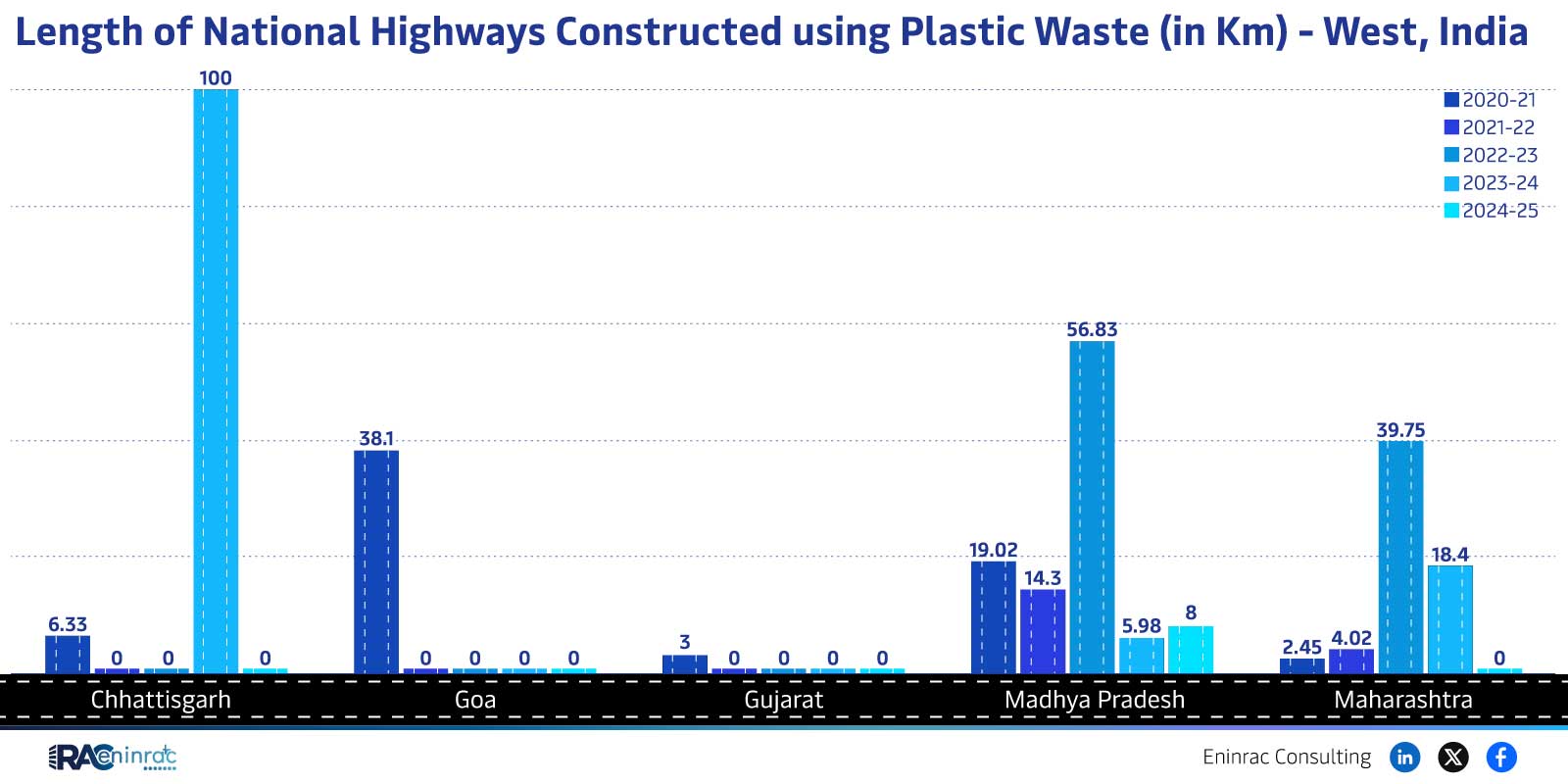
West India has emerged as a testbed for using plastic waste in road construction. Between the fiscal years 2020‑21 and 2024‑25 the region recorded a total of 100 km of national highways built with plastic‑waste additives. This initiative reflects a broader push for circular economy solutions, reduces landfill pressure, and aims to improve road durability while cutting carbon emissions. Readers will learn what the data tells us, how the construction totals compare year‑by‑year, the impact on related sectors, and key takeaways for policymakers and investors.
What Does the Data Reveal About This Topic?
Does the 100 km figure indicate a rapid rollout or a cautious pilot? The data shows a steady commitment across five fiscal years, suggesting that while the absolute length is modest, the program is gaining institutional confidence and may scale up as techniques mature and cost‑benefit analyses prove favorable.
Year‑by‑Year Overview of Plastic‑Waste Highway Construction
In 2020‑21 the programme launched with a few pilot stretches, laying the groundwork for later expansion. Each subsequent year—2021‑22, 2022‑23, 2023‑24, and 2024‑25—saw additional kilometres added, cumulatively reaching 100 km by the end of the cycle. Although the exact annual increments are not itemised, the consistent presence of the fiscal years in the dataset signals ongoing investment and iterative learning. Compared with other Indian regions that are still in exploratory phases, West India’s cumulative length places it among the early adopters of plastic‑waste highway technology.
Impact on Sectors and Industries
The adoption of plastic waste in highway construction touches several sectors. Waste‑management firms benefit from a new market for collected plastics, while road‑building companies gain access to a material that can enhance polymer‑modified asphalt strength. Investors see a green‑technology opportunity that aligns with ESG mandates, and policymakers obtain a practical tool for meeting waste‑reduction targets. Consumers ultimately experience smoother, potentially longer‑lasting road surfaces, which can lower vehicle operating costs.
Key Takeaways
- The West Indian pilot achieved 100 km of plastic‑waste highways over five fiscal years.
- Annual commitment remained steady, indicating policy continuity.
- Plastic‑waste integration supports circular‑economy goals and reduces landfill.
- Road durability and resistance to water damage are reported benefits.
- Sector‑wide collaborations are emerging between waste collectors and construction firms.
- Scalability hinges on cost‑effectiveness and demonstrated long‑term performance.
FAQs
What is the total length of plastic‑waste highways built in West India?
The data records a cumulative 100 km constructed between FY 2020‑21 and FY 2024‑25.
Why use plastic waste in highway construction?
Plastic waste improves asphalt binding, enhances durability, cuts landfill, and lowers the carbon footprint of road projects.
Which fiscal years did the construction occur?
Construction spanned the five fiscal years: 2020‑21, 2021‑22, 2022‑23, 2023‑24, and 2024‑25.
How does this initiative align with India’s sustainability goals?
It supports waste‑to‑resource policies, contributes to greenhouse‑gas reduction, and promotes resilient infrastructure.
Can other regions replicate West India’s model?
Yes, provided they have reliable plastic‑waste supply chains, technical expertise, and supportive regulatory frameworks.