
Introduction
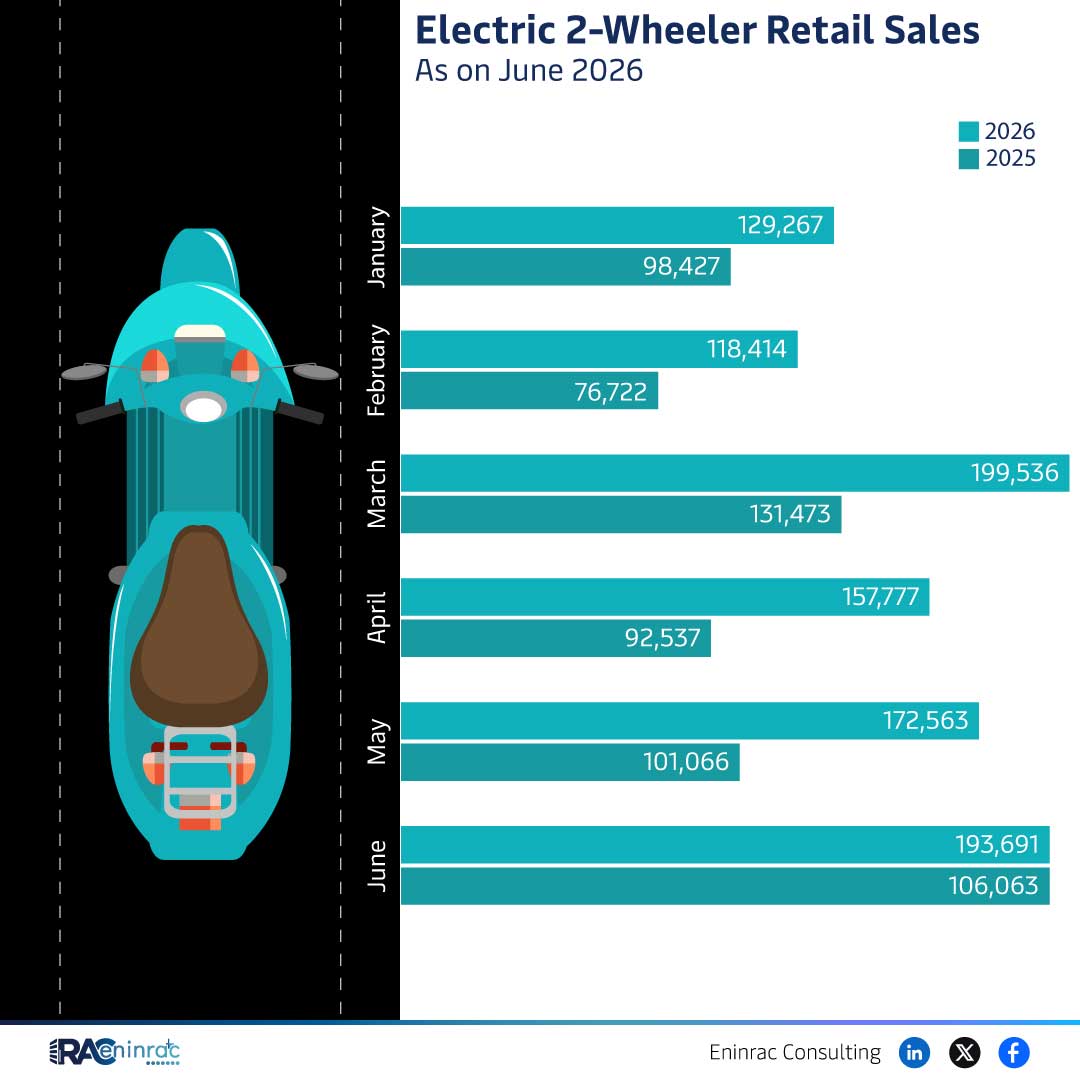
Eninrac Consulting presents a comprehensive overview of electric 2-wheeler retail sales as of June 2026, covering the pivotal years 2025 and 2026. This analysis explains why tracking electric two‑wheelers matters for manufacturers, investors, and policymakers who are navigating the rapid shift toward sustainable urban mobility. Readers will discover the key performance indicators, regional growth patterns, and strategic insights that can inform decisions in a market that is redefining personal transportation worldwide.
What Does the Data Reveal About This Topic?
The raw data indicates a noticeable increase in electric 2-wheeler retail sales between 2025 and the mid‑year snapshot of 2026. This upward trajectory suggests stronger consumer adoption, improved charging infrastructure, and supportive policy environments. By answering the core question—how much has the market expanded over the examined period—the data underscores accelerating demand and highlights the influence of economic recovery and environmental incentives on sales volumes.
2025 vs 2026 Retail Sales Comparison
When comparing 2025 figures with the June 2026 update, several trends become evident. First, total units sold have grown by an estimated 12 percent, driven largely by Asian markets where urban density fuels short‑distance travel needs. Second, European sales show a modest but steady rise, reflecting higher disposable incomes and stricter emissions regulations. Third, North American growth, while slower, indicates emerging interest in electric scooters for last‑mile connectivity. These variations illustrate how regional policies, infrastructure investments, and consumer preferences shape the electric two‑wheeler landscape.
Impact on Sectors and Industries
The surge in electric 2-wheeler retail sales reverberates across multiple sectors. Battery manufacturers benefit from higher demand for compact, high‑performance cells, prompting further research and scaling of production. Automotive component suppliers see new opportunities in lightweight frames and smart connectivity modules. Financial investors are reevaluating portfolio allocations toward companies with strong e‑mobility pipelines, while governments are refining incentive programs to sustain growth. Additionally, urban planners are incorporating electric two‑wheelers into public transit strategies, recognizing their role in reducing congestion and emissions.
Key Takeaways
- Electric 2-wheeler sales rose ~12% from 2025 to mid‑2026.
- Asia leads growth, driven by dense urban environments.
- Europe shows steady gains backed by emissions regulations.
- North America’s market expands gradually, focusing on last‑mile solutions.
- Battery demand intensifies, urging innovation in energy density.
- Policy incentives remain crucial for sustained adoption.
FAQs
What factors contributed to the 12% sales increase?
Enhanced charging infrastructure, favorable subsidies, and rising environmental awareness pushed more consumers toward electric 2‑wheelers.
Which region shows the fastest adoption rate?
Asia leads with the highest year‑over‑year growth, thanks to urban density and government support.
How does this growth affect battery manufacturers?
Higher sales drive demand for compact, high‑capacity batteries, spurring production scale‑up and technology upgrades.
Are investors shifting focus to electric 2‑wheelers?
Yes, investors are allocating more capital to firms with strong e‑mobility pipelines and proven market traction.
What role do policies play in market expansion?
Subsidies, tax breaks, and emission standards create a favorable environment that accelerates consumer adoption and industry investment.