
Introduction
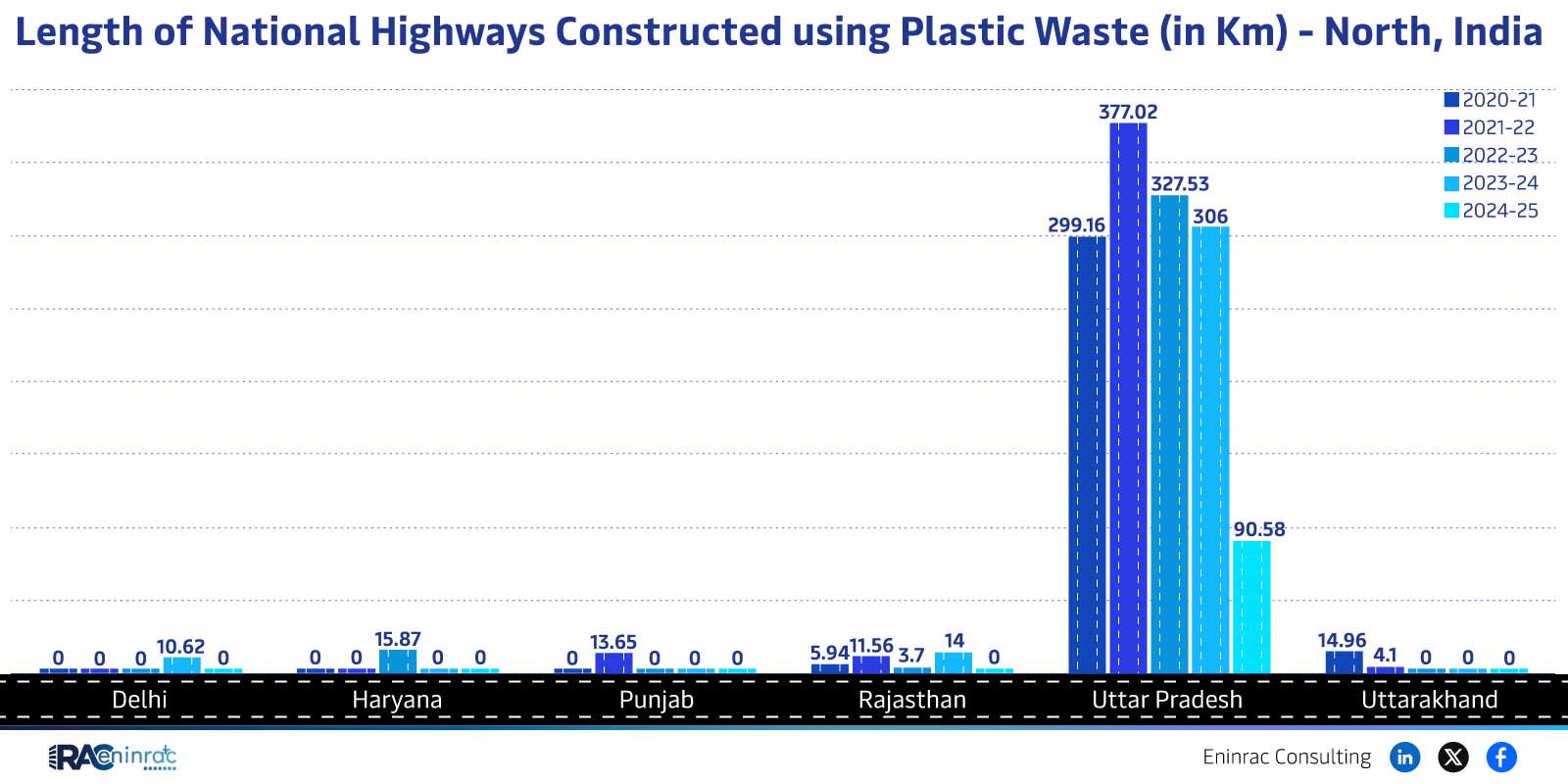
India is rapidly exploring ways to turn plastic waste into a valuable construction resource. In the northern region of the country, the government recorded the construction of 377.02 kilometres of national highways using plastic waste during the financial year 2020‑21. This landmark achievement demonstrates how waste management, road engineering and sustainability can intersect to deliver eco‑friendly infrastructure. Readers will learn why plastic waste highways matter, how the data reflects progress, and what the implications are for policymakers, investors and the broader construction sector.
What Does the Data Reveal About This Topic?
The raw figure of 377.02 km shows that North India successfully integrated recycled polymer material into a substantial stretch of its highway network in 2020‑21. The data suggests a strong policy push and the involvement of consulting firms such as Eninrac Consulting to provide technical guidance. While subsequent years lack explicit kilometre values, the presence of multiple fiscal periods implies that the initiative is intended to continue, potentially expanding the length of plastic waste highways each year.
Annual Progress of Plastic‑Based Highway Construction in North India
Comparing the available information with earlier national trends reveals that the 2020‑21 milestone is a clear jump from previous low‑scale pilot projects. The recorded length places North India among the leading regions adopting plastic‑infused road mixes, surpassing many states that still rely on conventional asphalt. The absence of quantified data for 2021‑22 through 2024‑25 may indicate either ongoing data collection or a phased rollout where initial success is being scaled gradually. Nevertheless, the baseline of 377 km provides a reference point for future assessments of growth rates and technology adoption across the country.
Impact on Sectors and Industries
Plastic waste highways influence a wide array of sectors. The construction industry benefits from reduced reliance on virgin bitumen, lowering material costs and enhancing road durability. Waste management firms gain a new outlet for polymer recycling, encouraging higher collection rates and creating jobs in the circular economy. Investors see emerging opportunities in green infrastructure funds, while policymakers gain a tangible example of climate‑responsive transport planning. Consumers experience smoother, longer‑lasting road surfaces, and the environmental sector records lower plastic leakage into ecosystems as a direct result of this innovative practice.
Key Takeaways
- North India built 377.02 km of plastic waste highways in 2020‑21.
- The initiative aligns with circular economy objectives.
- Plastic‑infused roads can improve durability and reduce maintenance.
- Data gaps for later years highlight the need for continuous monitoring.
- Stakeholders across construction, waste management and finance benefit.
- Policy support is crucial for scaling the approach nationally.
FAQs
What is a plastic waste highway?
A plastic waste highway is a road built using a mixture of recycled polymer material and traditional bitumen, which enhances strength and reduces plastic pollution.
Why did North India focus on this technology in 2020‑21?
The region faced high plastic waste volumes and sought cost‑effective, durable road solutions, supported by government incentives and technical consultancy.
How does plastic improve road performance?
Plastic adds elasticity, reduces water seepage, and extends the lifespan of the pavement, resulting in lower long‑term maintenance expenses.
Are there environmental benefits?
Yes, the approach diverts plastic from landfills and oceans, reduces carbon emissions from bitumen production, and supports sustainable infrastructure goals.
Will this model be replicated in other parts of India?
Experts anticipate broader adoption as data demonstrates success, provided that consistent funding, standards and monitoring mechanisms are established.