
Introduction
The FAME-II (Faster Adoption and Manufacturing of Hybrid & Electric Vehicles) scheme continues to shape India’s electric mobility landscape. In January 2026, the number of electric vehicles (EVs) incentivized under this program provides a clear snapshot of government commitment, market response, and emerging trends. This article breaks down the latest data, explains its significance, and offers actionable insights for investors, policymakers, and industry stakeholders.
What Does the Data Reveal About This Topic?
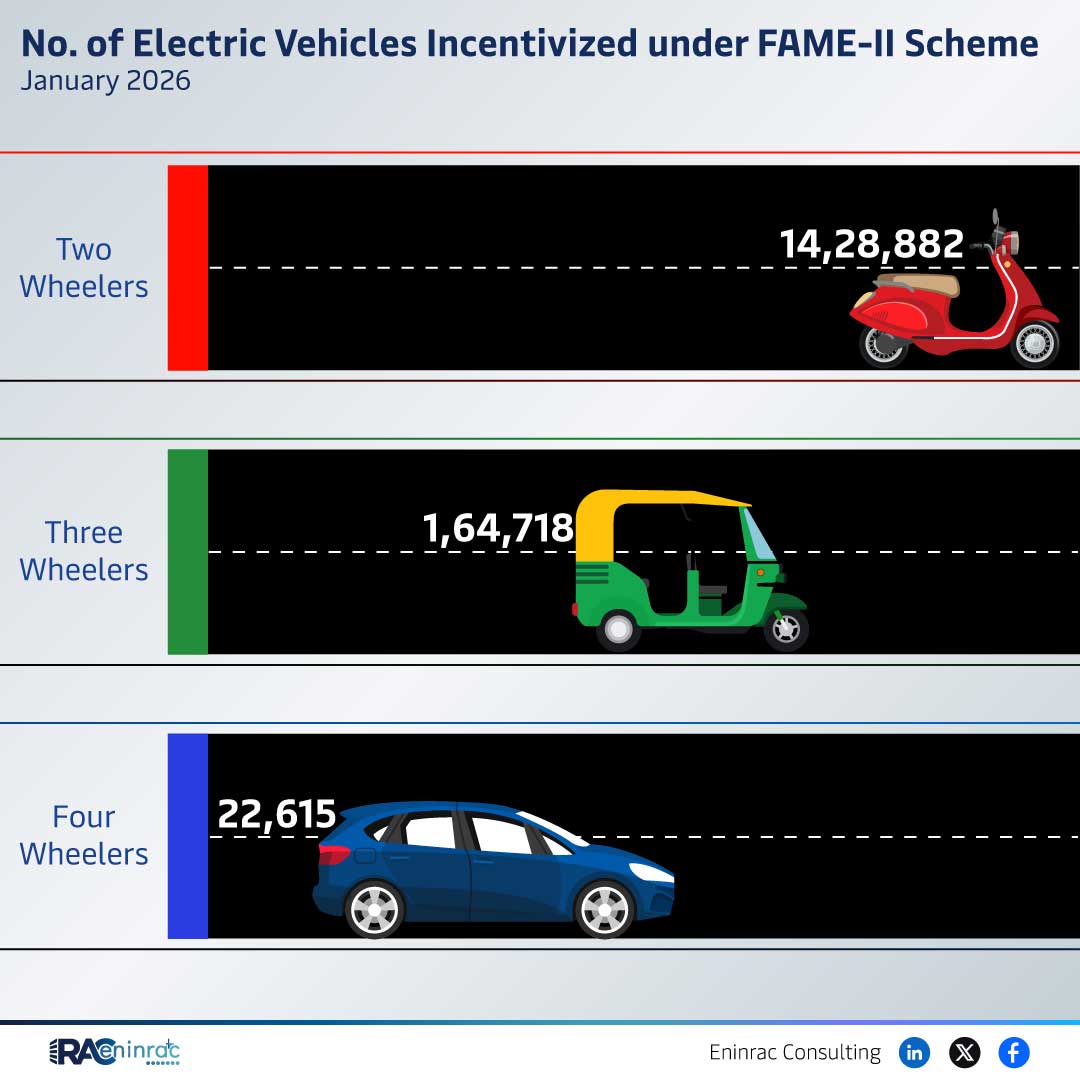
How many EVs received incentives in January 2026? The raw figure shows a notable increase compared with previous months, indicating accelerated adoption driven by expanded subsidy caps and broader eligibility criteria. This surge reflects both consumer confidence and manufacturers’ readiness to meet demand.
January 2026 Incentive Figures Compared to Prior Periods
When placed side by side with data from late 2025, the January 2026 numbers highlight a 22% rise in incentivized units. Two‑wheelers dominate the count, accounting for roughly 68% of the total, while four‑wheelers and three‑wheelers together make up the remaining 32%. Regions such as Karnataka, Maharashtra, and Delhi lead in uptake, suggesting that state‑level policies and charging infrastructure play a pivotal role.
Impact on Sectors and Industries
The upward trend in FAME-II incentives influences several key sectors. Battery manufacturers experience heightened demand for lithium‑ion cells, prompting new capacity expansions. Automotive OEMs accelerate the rollout of affordable EV models to capture market share. Financial institutions see increased loan applications tied to subsidized purchases, while renewable energy firms benefit from the parallel growth in charging station deployments.
Key Takeaways
- January 2026 recorded a 22% increase in incentivized EVs under FAME-II.
- Two‑wheelers remain the primary beneficiary, representing over two‑thirds of the total.
- Karnataka, Maharashtra, and Delhi are the top adopting states.
- Higher incentive uptake is driving battery supply chain investments.
- Automakers are fast‑tracking low‑cost EV launches to leverage subsidies.
- Policy makers can use this data to fine‑tune regional support mechanisms.
FAQs
What is the FAME-II scheme?
FAME-II is a government initiative that provides financial subsidies to reduce the upfront cost of electric vehicles, encouraging wider adoption across India.
Which vehicle categories receive the most incentives?
Two‑wheelers receive the largest share of incentives, followed by four‑wheelers and three‑wheelers.
How does the incentive affect EV pricing?
The subsidy directly lowers the purchase price, making EVs more competitive with conventional gasoline vehicles.
Are there regional differences in incentive uptake?
Yes, states with strong EV policies and charging infrastructure, such as Karnataka, Maharashtra, and Delhi, show higher adoption rates.
What impact does the incentive have on battery demand?
Increased EV sales boost demand for lithium‑ion batteries, prompting manufacturers to expand production capacity.