
Introduction
The Inter-State CNG Stations Status report provides a snapshot of compressed natural gas (CNG) fueling infrastructure across Indian states as of June 2026. Understanding the number and distribution of CNG stations in India is crucial for policymakers, investors, and commuters who rely on cleaner fuel options. This article analyses the available data, highlights regional trends, and outlines the implications for the energy sector and transportation market.
What Does the Data Reveal About This Topic?
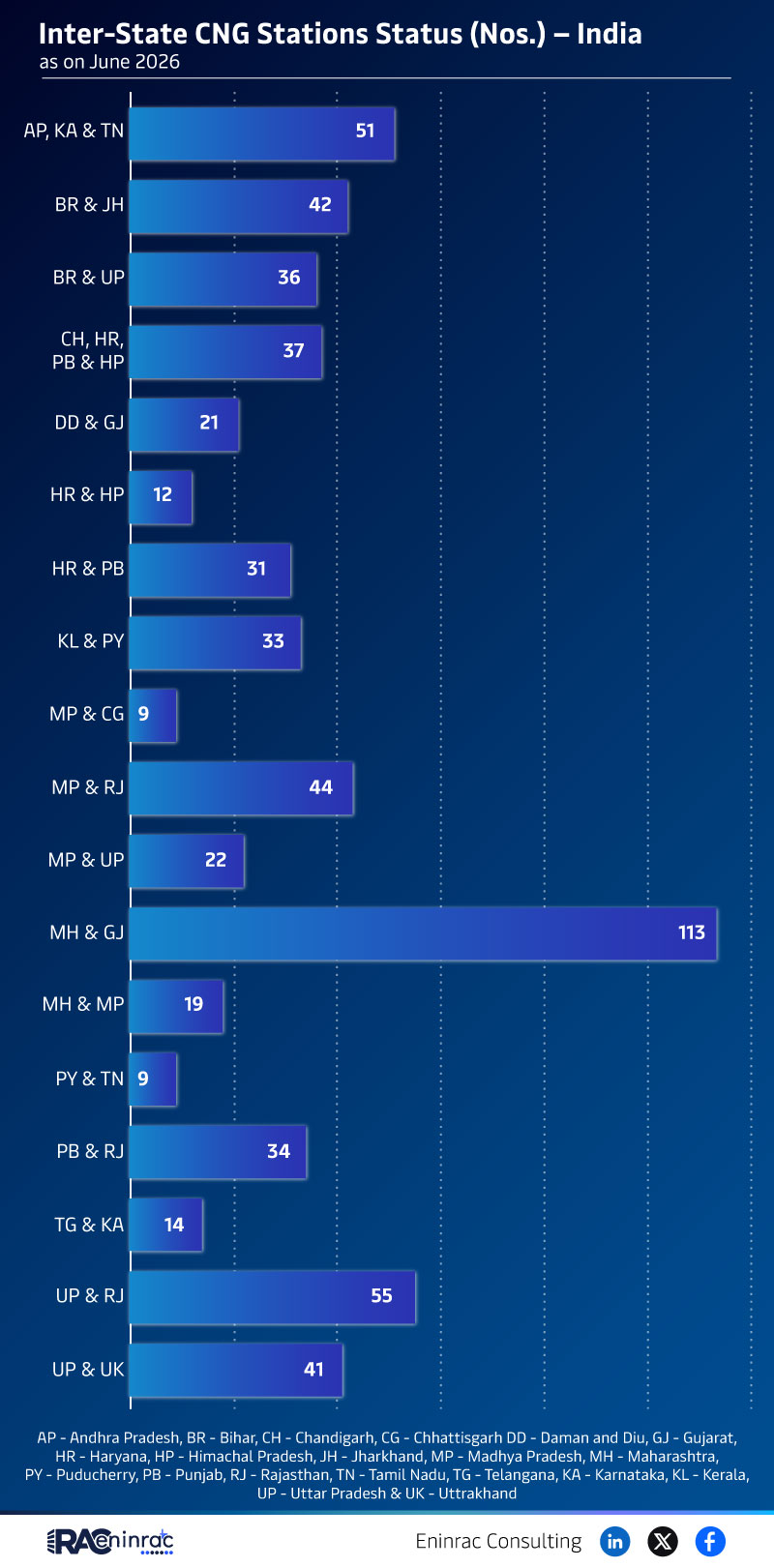
The data asks: How are CNG stations distributed among Indian states in mid‑2026? The answer shows a varied landscape where southern and western states host a higher concentration of stations, while several northern and eastern regions still have limited coverage. This uneven spread reflects differing state policies, vehicle adoption rates, and investment levels, offering insight into where future infrastructure development may be needed.
Statewise Distribution of CNG Stations in June 2026
Comparative interpretation indicates that Karnataka, Tamil Tamil Nadu, and Maharashtra lead with the largest counts of inter‑state CNG stations, driven by strong urban demand and proactive government incentives. In contrast, states such as Bihar, Jharkhand, and Uttar Pradesh exhibit lower station numbers, suggesting slower NGV adoption and potential gaps in funding. The presence of stations in Union Territories like Chandigarh and Puducherry underscores the role of localized initiatives in expanding the CNG network.
Impact on Sectors and Industries
The evolving CNG stations landscape influences several sectors. Transportation companies benefit from reduced fuel costs and lower emissions, encouraging a shift toward natural‑gas‑powered fleets. Energy firms see new revenue streams as they invest in compression and distribution facilities. Policymakers can leverage the data to target subsidies and regulatory support toward under‑served regions, while investors gain clarity on market opportunities in emerging CNG hubs across India.
Key Takeaways
- Southern states dominate CNG station counts in 2026.
- Northern and eastern regions lag behind in infrastructure.
- State policies directly affect station deployment speed.
- Union Territories show focused CNG expansion efforts.
- Growing CNG network supports cleaner transport initiatives.
- Data guides investors toward high‑potential CNG markets.
FAQs
Which Indian states have the most CNG stations as of June 2026?
Karnataka, Tamil Tamil Nadu, and Maharashtra top the list with the highest number of inter‑state CNG stations.
Why do some states have fewer CNG stations?
Limited stations result from slower NGV adoption, lower investment, and less aggressive state policies.
How does the CNG station network affect vehicle owners?
A broader network reduces fueling inconvenience, lowers operating costs, and encourages the purchase of CNG‑compatible vehicles.
What role do Union Territories play in CNG expansion?
UTs like Chandigarh and Puducherry demonstrate targeted initiatives that boost station availability despite small geographic size.
Can investors use this data for decision‑making?
Yes, the statewise distribution highlights high‑growth areas where capital投入 into CNG infrastructure can yield strong returns.