
Introduction
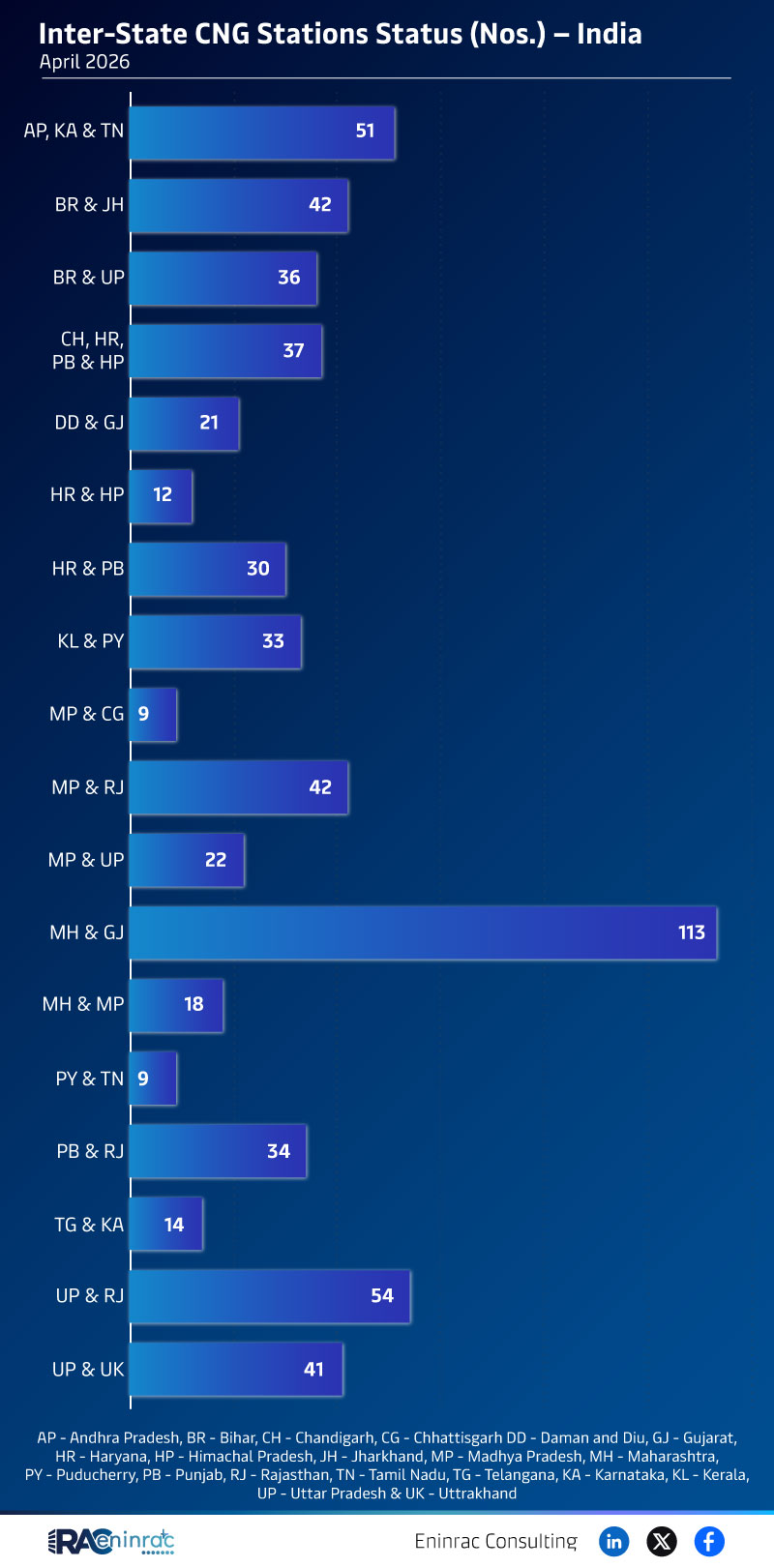
The inter‑state CNG (compressed natural gas) station network in India is a critical component of the nation’s clean‑fuel strategy. As of April 2026, the Ministry of Petroleum and Natural Gas released a snapshot of active stations that connect multiple states, reflecting progress in infrastructure, policy alignment, and market demand. This article summarises the latest figures, highlights the most active state pairings, and explains why these connections matter for commuters, fleet operators, energy investors, and policymakers seeking a greener transport mix.
What Does the Data Reveal About This Topic?
The data shows that several state pairings—Puducherry & Tamil Nadu, Punjab & Rajasthan, Telangana & Karnataka, Uttar Pradesh & Rajasthan, and Uttar Pradesh & Uttarakhand—host active inter‑state CNG stations. Their presence indicates targeted expansion in regions with high vehicle density and supportive regulations, while also exposing gaps where potential cross‑border fuel corridors remain undeveloped. These insights guide future investment decisions, infrastructure planning, and policy reforms aimed at nationwide coverage.
Regional Distribution of Inter‑State CNG Stations
Examining the geographical spread, southern states like Tamil Nadu and Karnataka appear frequently paired, reflecting strong demand in industrial corridors and dense urban commuter routes. In the north, Uttar Pradesh partners with both Rajasthan and Uttarakhand, underscoring its role as a transit hub linking the Gangetic plain with the Himalayan foothills. The western pairing of Punjab and Rajasthan signals emerging market potential in agricultural logistics, while the Telangana‑Karnataka link bridges the Deccan plateau’s expanding logistics network. By contrast, states such as Bihar, Chhattisgarh, Himachal Pradesh, and Daman & Diu show limited or no inter‑state CNG presence, highlighting regional disparities that policymakers must address to achieve a balanced national network.
Impact on Sectors and Industries
Inter‑state CNG stations directly influence the transportation sector by lowering fuel costs for long‑distance buses, trucks, and shared mobility services. They enable logistics companies to adopt cleaner fleets, reducing emissions and complying with tighter regulatory standards. For the oil‑and‑gas industry, the expanding CNG footprint creates new revenue streams while encouraging investment in gas processing, compression, and pipeline infrastructure. Financial analysts view the network as a catalyst for green financing, and state governments can leverage it to meet National Clean Energy targets, attract renewable‑linked capital, and stimulate regional economic development.
Key Takeaways
- South‑central pairings (TN‑PY, KA‑TG) dominate the station count.
- Uttar Pradesh serves as a key hub linking northern and Himalayan regions.
- Western Punjab‑Rajasthan link highlights growth in agricultural freight corridors.
- Several northern and eastern states still lack inter‑state CNG connectivity.
- Expanding the network supports lower‑emission logistics and cleaner public transport.
- Policy focus on underserved regions can unlock balanced national coverage.
FAQs
Which state pairs have the highest number of inter‑state CNG stations?
The data highlights Puducherry & Tamil Nadu, Punjab & Rajasthan, and Telangana & Karnataka as the most active pairings.
Why are inter‑state CNG stations important for India’s energy goals?
They enable cleaner fuel use across state borders, reduce diesel dependence, and help meet the country’s emission‑reduction commitments.
What challenges exist for expanding inter‑state CNG infrastructure?
Key challenges include uneven state‑level policy coordination, high capital costs for compression stations, and limited gas supply pipelines in certain regions.
How do inter‑state CNG stations affect logistics companies?
They provide cheaper, lower‑emission fuel options for long‑haul trucking, improving cost efficiency and regulatory compliance.
Can investors expect growth opportunities in the CNG sector?
Yes, the expanding network creates demand for gas processing, storage, and distribution assets, offering attractive returns for green‑focused investment funds.