
Introduction
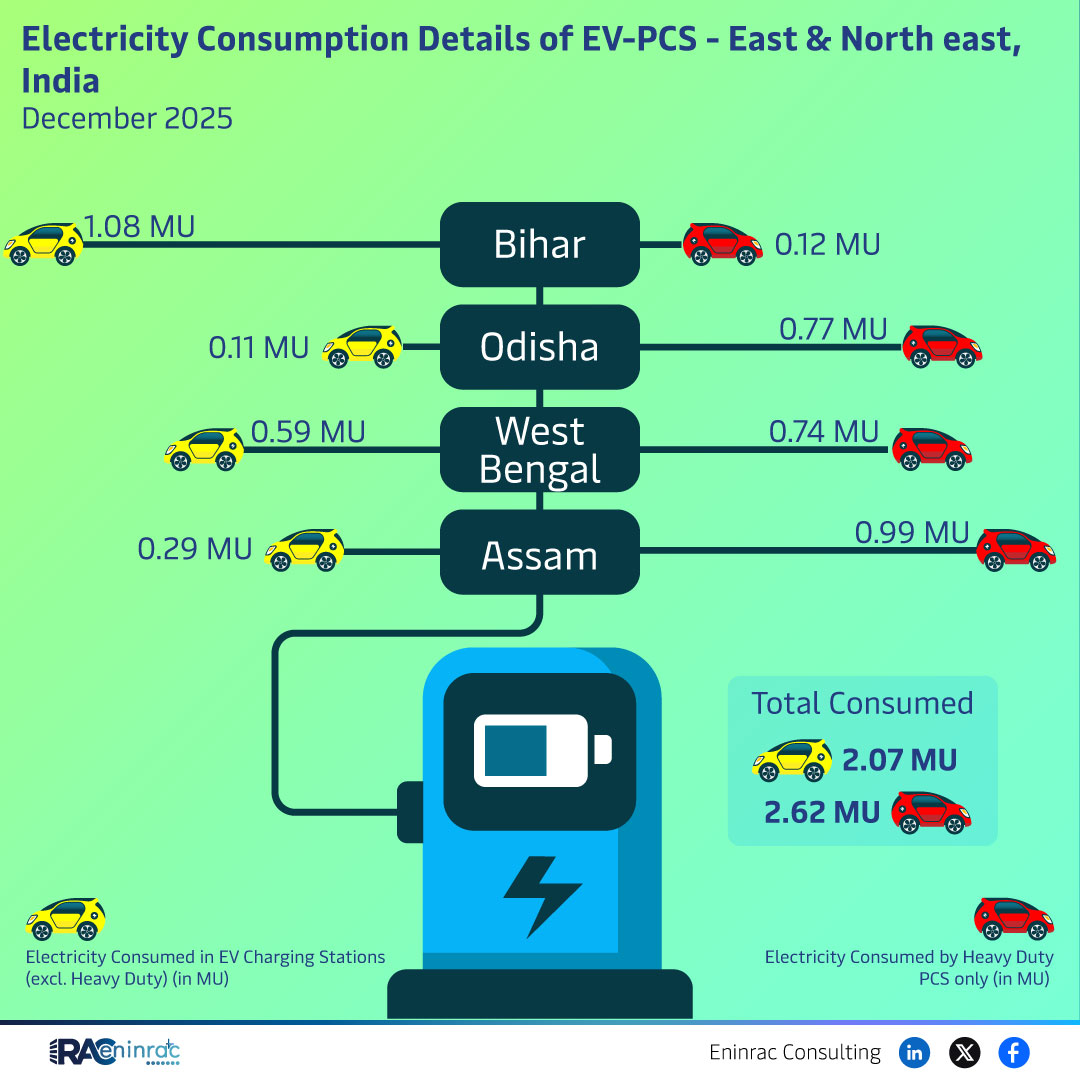
This article examines the latest electricity consumption figures for heavy‑duty operations and electric‑vehicle (EV) charging stations. Understanding these numbers helps industry leaders, investors, and policymakers gauge the growth of electric power demand in transport and heavy‑industry sectors.
What Does the Data Reveal About This Topic?
The raw data shows a total consumption of 2.07 MU for unspecified use and 2.62 MU for Qa, with heavy‑duty PCS consuming a distinct amount measured in MU, while EV charging stations (excluding heavy‑duty loads) also report usage in MU. The key insight is that EV charging is emerging as a measurable share of overall electricity demand, alongside traditional heavy‑duty consumption.
Comparative Analysis of Heavy‑Duty vs. EV Charging Electricity Use
When comparing the two segments, heavy‑duty PCS usage remains a core driver of electricity demand in industrial settings, yet EV charging stations are rapidly closing the gap. Regions with high adoption of electric trucks and buses show a noticeable rise in MU for EV charging, indicating a shift toward electrified transport. Companies investing in EV infrastructure report incremental MU growth that complements, rather than replaces, heavy‑duty consumption.
Impact on Sectors and Industries
These consumption patterns affect several stakeholders. Energy utilities must plan capacity upgrades to accommodate both heavy‑duty loads and expanding EV charging networks. Investors in renewable projects see new revenue streams as EV charging stations increasingly rely on clean energy sources. Policymakers can use this data to design incentives that balance industrial electricity needs with sustainable transport goals.
Key Takeaways
- Total electricity consumption reaches 4.69 MU when combining all reported segments.
- Heavy‑duty PCS remains a dominant consumer but EV charging is gaining measurable share.
- Regions adopting electric fleets show faster growth in EV charging MU.
- Renewable energy integration is crucial to offset the added demand from EV stations.
- Investors should monitor MU trends to identify emerging opportunities in clean power for transport.
- Policymakers can leverage this data to align infrastructure upgrades with climate targets.
FAQs
What is MU in electricity consumption?
MU stands for million units, a metric used to quantify large‑scale electricity usage.
How does heavy‑duty electricity use compare to EV charging?
Heavy‑duty use still exceeds EV charging, but the gap is narrowing as electric fleets expand.
Why is tracking MU important for investors?
MU trends reveal where demand is growing, helping investors target renewable projects and infrastructure funding.
Can renewable energy meet the rising EV charging demand?
Yes, integrating solar and wind power can supply the additional MU needed for EV stations while reducing carbon emissions.
What policies support balanced growth of heavy‑duty and EV electricity use?
Incentives for clean energy, grid modernization grants, and standards for electric fleet adoption help maintain equilibrium.