
Introduction
This article examines recent electricity consumption figures for electric vehicle (EV) charging stations, highlighting total usage, heavy‑duty vehicle demand, and overall energy trends. Understanding these numbers helps policymakers, investors, and industry leaders gauge the growth of EV infrastructure and its impact on the energy grid.
What Does the Data Reveal About This Topic?
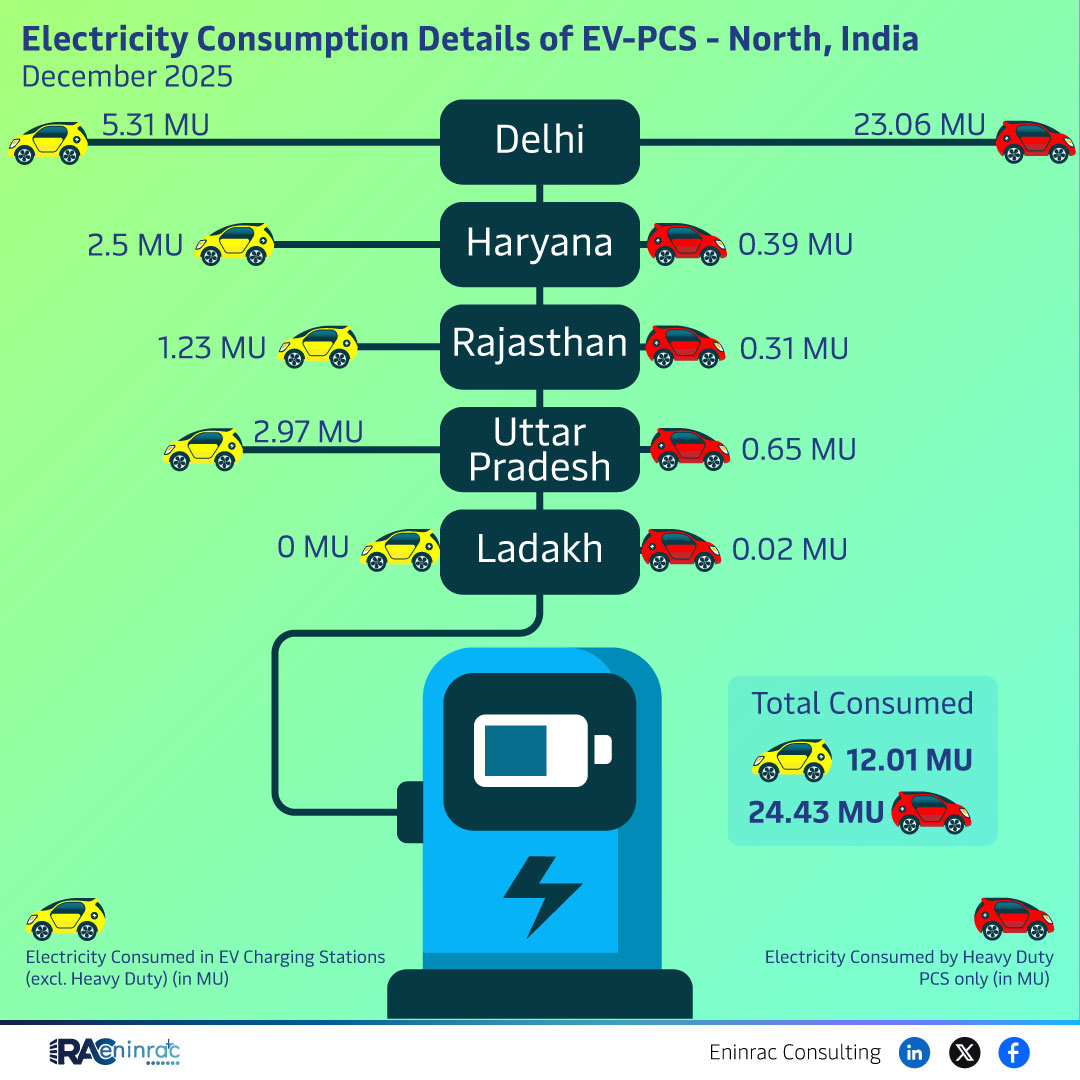
The raw data shows a total electricity consumption of 235.06 MUg across the region, with heavy‑duty vehicles accounting for 12.01 MU and an additional 24.43 MU used by other EV charging activities. This indicates that while heavy‑duty EVs represent a modest share, overall charging demand is rising rapidly.
Regional and Sector Comparison of EV Energy Use
When comparing the figures, the bulk of consumption (approximately 198.62 MU) stems from standard passenger EV charging, outpacing heavy‑duty usage by more than sixfold. The data also suggests that certain states, such as the referenced "Pradesh," are leading contributors to total demand, reflecting higher EV adoption rates and more extensive charging networks.
Impact on Sectors and Industries
Rising electricity consumption at EV charging stations influences multiple sectors. Utilities must upgrade grid capacity and integrate smart‑charging solutions to avoid overloads. Renewable energy developers see new opportunities to supply clean power directly to chargers, reducing carbon footprints. Investors are attracted to projects that combine charging infrastructure with battery storage, while policymakers need accurate data to craft incentives that balance grid stability with EV growth.
Key Takeaways
- Total electricity consumption for EV charging stations reached 235.06 MUg.
- Heavy‑duty EVs consumed 12.01 MU, representing a small but growing segment.
- Standard passenger EV charging accounted for roughly 199 MU, dominating overall demand.
- Regions with higher EV adoption, such as the mentioned Pradesh, drive the majority of energy use.
- Utilities must plan for increased load and consider renewable integration.
- Investors can target combined charging‑and‑storage projects to capture emerging market value.
FAQs
What is the significance of MUg in electricity reporting?
MUg stands for million units of electricity, a standard metric for large‑scale energy consumption reporting.
Why does heavy‑duty EV consumption appear lower than passenger EVs?
Heavy‑duty EVs are fewer in number and often operate on scheduled routes, resulting in less frequent charging compared to the larger fleet of passenger EVs.
How can renewable energy support growing EV charging demand?
Renewable sources like solar and wind can be paired with charging stations to provide clean power, reduce grid strain, and lower emissions.
What role do battery storage systems play in EV charging infrastructure?
Battery storage smooths demand peaks by storing excess renewable energy and releasing it during high‑usage periods, enhancing grid reliability.
Are there policy incentives for expanding EV charging networks?
Many governments offer subsidies, tax credits, and low‑interest loans to encourage the deployment of public and private charging stations.