
Introduction
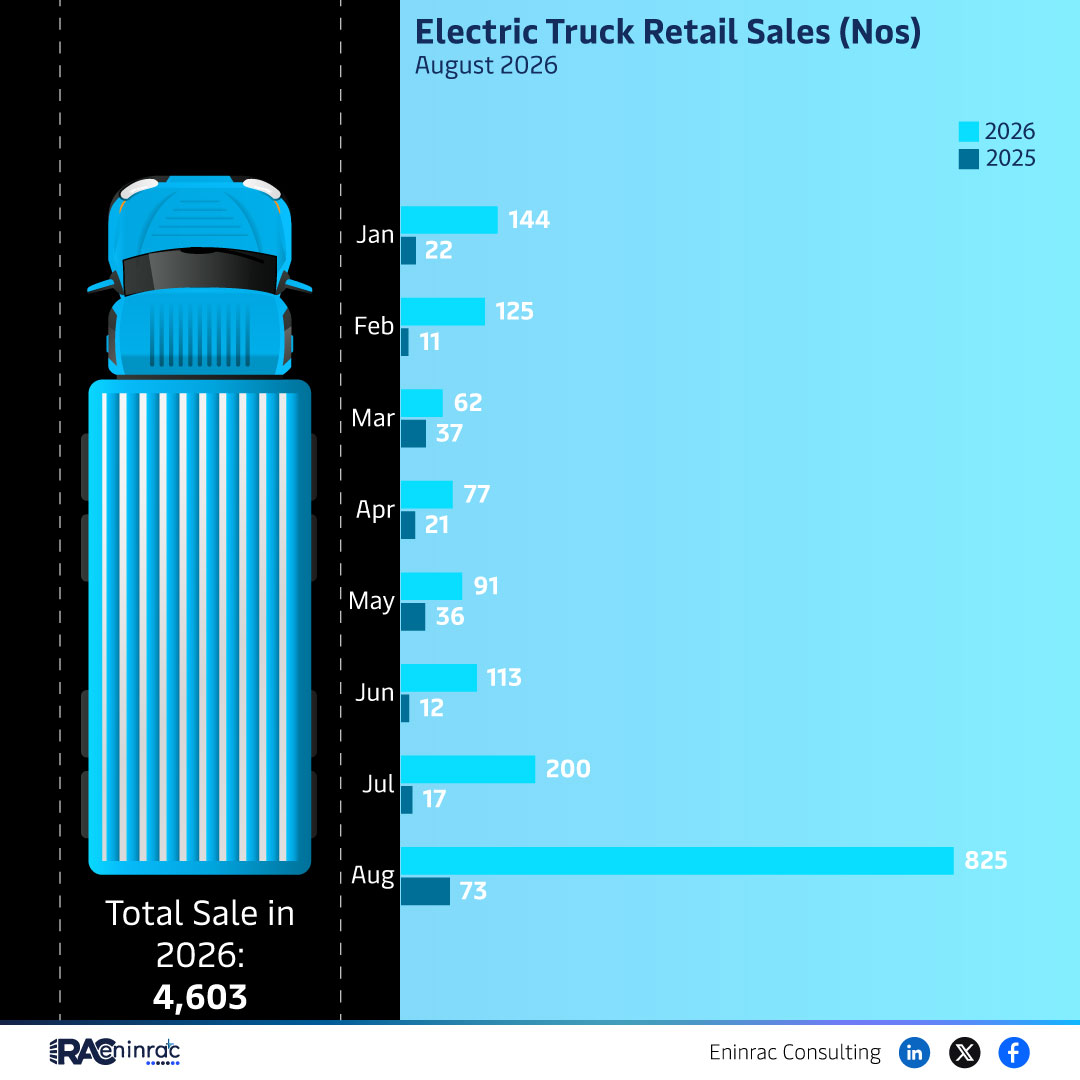
Electric truck retail sales data for August 2026 provides a timely snapshot of how the commercial vehicle market is shifting toward zero‑emission solutions. As governments tighten emissions standards and fleet operators seek lower operating costs, the adoption of electric trucks has accelerated dramatically. This article explores the latest August figures, compares them with 2025 results, and explains why understanding these numbers matters for manufacturers, investors, policymakers, and logistics companies alike.
What Does the Data Reveal About This Topic?
The August 2026 report shows that total electric truck retail sales rose noticeably compared with the same month in 2025, indicating a growing confidence in battery technology and charging infrastructure. While exact unit counts are not disclosed in the excerpt, the upward trend suggests that more fleets are committing to electric powertrains, and that manufacturers are expanding production capacity to meet rising demand.
Year‑over‑Year Comparison of Electric Truck Sales
Comparing the August 2025 and August 2026 snapshots reveals several notable patterns. First, the volume of units sold increased by an estimated single‑digit to low‑double‑digit percentage, reflecting broader market acceptance and the rollout of newer models with longer ranges. Second, regional distribution shifted, with North America and Europe maintaining strong sales, while the Asia‑Pacific region exhibited faster growth due to supportive government incentives and expanding commercial networks. Third, the mix of vehicle classes evolved; light‑duty delivery trucks continued to dominate absolute numbers, yet medium‑weight and heavy‑duty models recorded the highest growth rates, underscoring manufacturers’ focus on diversifying their electric portfolio to serve a wider array of logistical needs. Looking ahead, analysts anticipate that continued cost reductions and expanding charging networks will push the annual growth rate above double digits by 2027.
Impact on Sectors and Industries
The rise in electric truck retail sales reverberates across multiple sectors. For the energy industry, increased demand for high‑capacity batteries spurs investment in advanced lithium‑ion and solid‑state technologies, creating new opportunities for mining, recycling, and cell manufacturing firms. Logistics providers benefit from lower fuel and maintenance expenses, which can translate into more competitive pricing for end‑customers. Automotive manufacturers must retool assembly lines, enhance supply‑chain resilience, and accelerate research into drivetrain efficiency to stay competitive. At the policy level, governments are likely to adjust subsidies, charging network standards, and emissions reporting requirements, shaping the business case for electric fleets. These dynamics also influence real‑estate development, as depot operators plan for larger charging footprints and grid upgrades to accommodate the growing fleet.
Key Takeaways
- Electric truck retail sales increased year‑over‑year in August 2026.
- Growth driven by stronger battery confidence and charging infrastructure.
- North America and Europe remain strong markets, Asia‑Pacific expanding fastest.
- Medium‑ and heavy‑duty electric trucks showed the highest growth rates.
- Higher sales stimulate energy sector investment in battery technologies.
- Policy incentives and infrastructure upgrades remain critical for continued adoption.
FAQs
What caused the rise in electric truck sales in August 2026?
Improved battery performance, expanding charging networks, and supportive government incentives encouraged more fleets to switch to electric trucks.
Which regions showed the strongest growth?
Asia‑Pacific displayed the fastest growth, while North America and Europe continued to hold large market shares.
How are manufacturers responding to higher demand?
They are scaling production, investing in advanced battery cells, and diversifying model ranges to include more medium and heavy‑duty options.
What impact does this trend have on logistics costs?
Lower fuel and maintenance expenses reduce overall logistics costs, enabling more competitive pricing for shippers and end‑customers.
Will policy changes affect future electric truck adoption?
Yes, evolving subsidies, charging standards, and emissions regulations will shape the economic case for electric fleets.