
Introduction
The FAME‑II (Faster Adoption and Manufacturing of Hybrid and Electric Vehicles) scheme is a flagship initiative of the Indian government aimed at accelerating the uptake of electric vehicles (EVs) through financial incentives. As of 26 March, the scheme records the number of EVs supported across several eastern Indian states and union territories. Understanding the distribution of these supported EVs helps policymakers, investors, and consumers gauge regional adoption trends, identify growth hotspots, and plan future infrastructure rollout. This article examines the latest data, highlights key state‑wise contrasts, and discusses the broader impact on related industries.
What Does the Data Reveal About This Topic?
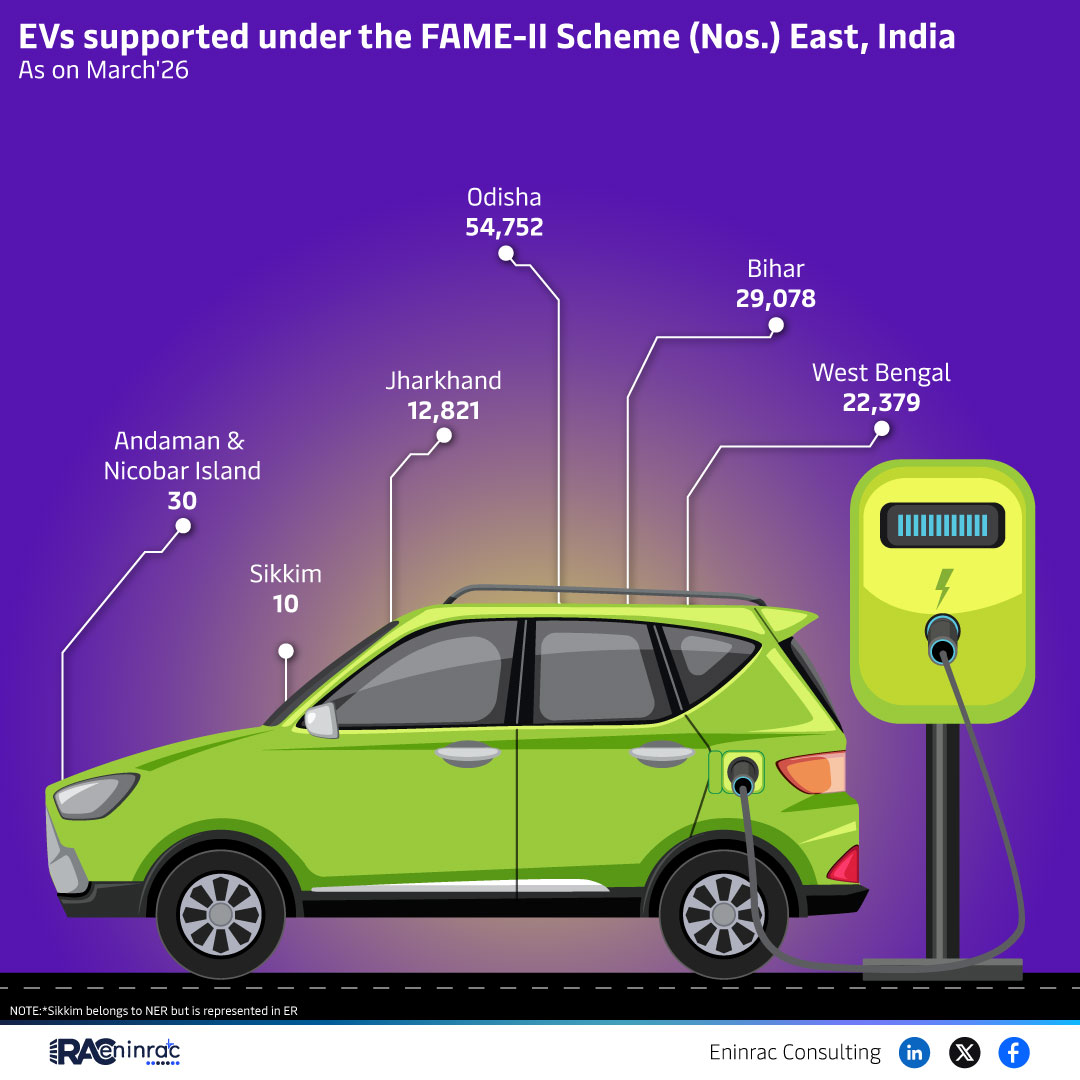
Which states in eastern India have received the highest number of EVs under the FAME‑II scheme? The raw figures show that Odisha leads with 54,752 supported EVs, followed by West Bengal with 22,379 and Jharkhand with 12,821. Smaller regions such as the Andaman & Nicobar Islands and Sikkim are listed but have no disclosed numbers, indicating either negligible uptake or pending reporting. The data therefore underscores a concentration of EV support in larger, more industrialised states.
State‑wise Comparison of FAME‑II EV Support
When we compare the numbers, Odisha’s total of 54,752 supported EVs outpaces the combined total of Jharkhand and West Bengal, suggesting a strong policy push, robust dealer networks, and possibly higher consumer demand in the state. West Bengal’s 22,379 supported EVs place it firmly in second position, reflecting its sizeable urban population and existing charging infrastructure initiatives. Jharkhand’s 12,821 supported EVs, while lower, still demonstrates early‑stage market penetration. The absence of reported figures for the Andaman & Nicobar Islands and Sikkim points to potential gaps in data collection or limited scheme implementation in these territories.
Impact on Sectors and Industries
The distribution of EV support under FAME‑II influences several sectors. Automotive manufacturers can prioritize production and marketing strategies for states with higher adoption rates. Charging‑station providers and renewable‑energy firms see clear signals for where to invest in infrastructure. Financial institutions and investors gain insight into emerging green‑finance opportunities, while state governments can benchmark their performance against peers to improve incentive structures. Consumers in high‑support states benefit from greater vehicle availability and potential cost savings from subsidies. These dynamics also accelerate India’s climate goals and reduce dependence on imported oil.
Key Takeaways
- Odisha leads eastern India with 54,752 EVs supported under FAME‑II.
- West Bengal ranks second with 22,379 supported EVs.
- Jharkhand records 12,821 supported EVs, indicating early market growth.
- Data for Andaman & Nicobar Islands and Sikkim is missing, suggesting low uptake or reporting delays.
- High concentration of support correlates with stronger charging infrastructure and dealer networks.
- Stakeholders can use these figures to guide investment, policy refinement, and market expansion.
FAQs
What is the FAME‑II scheme?
FAME‑II is a government program that provides financial incentives to promote the purchase and use of electric and hybrid vehicles in India.
Why does Odisha have the highest number of supported EVs?
Odisha benefits from aggressive state policies, an expanding charging network, and active participation of local manufacturers, which together boost eligibility for scheme incentives.
Are there any incentives for EV buyers in West Bengal?
Yes, West Bengal offers subsidies and tax benefits under FAME‑II, complemented by state‑level grants for charging infrastructure.
How can investors use this data?
Investors can identify high‑growth regions for allocating capital toward charging stations, battery production, and related services.
Will the missing data for Andaman & Nicobar Islands be updated?
Authorities are expected to publish updated figures once the reporting process is completed, which may reveal future opportunities in those territories for investors.