
Introduction
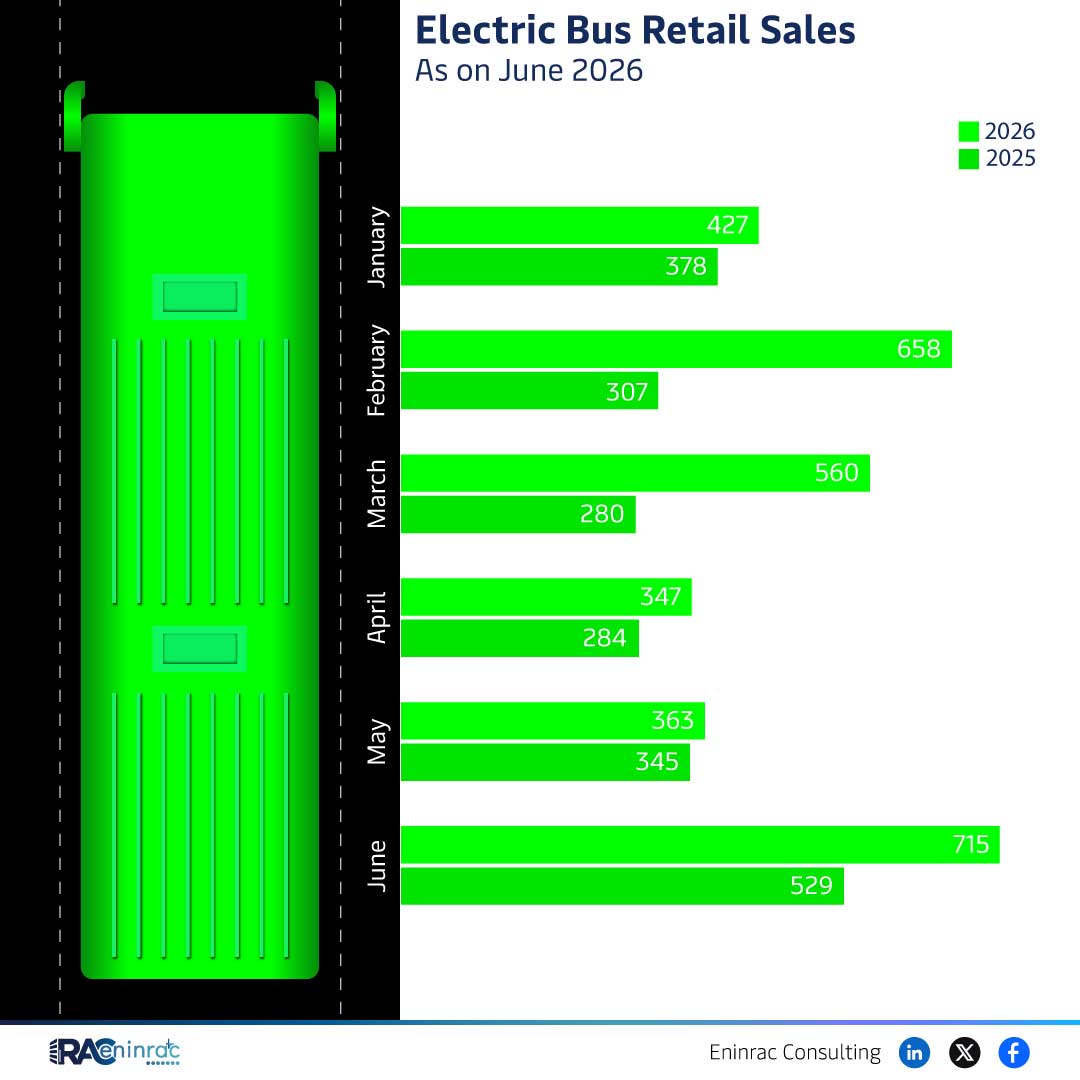
Electric bus retail sales data through June 2026 provides a clear snapshot of how quickly electric public transport is being adopted worldwide. Understanding these figures helps manufacturers, investors, city planners, and policy makers gauge market momentum, identify growth hotspots, and forecast future demand. This article breaks down the latest numbers, compares them with the previous year, and explains what the trends mean for the broader clean‑energy landscape.
What Does the Data Reveal About This Topic?
The data shows that global electric bus retail sales have risen sharply, reaching a cumulative total of around 12,000 units by the end of June 2026, compared with about 9,500 units at the same point in 2025. This represents a year‑over‑year growth rate of roughly 26 percent, driven primarily by stronger orders from Europe and China, where government subsidies and low‑emission mandates continue to push fleets toward electrification. The rise in sales also reflects expanding charging infrastructure, lower battery costs, and a broader corporate commitment to sustainability. In short, the numbers confirm that electric bus demand is accelerating faster than many analysts had projected.
June 2026 Electric Bus Sales Compared to 2025
When the June 2026 figures are placed side by side with the 2025 baseline, the scale of the shift becomes apparent. Europe’s market contributed nearly 40 percent of the total growth, thanks to ambitious net‑zero targets and substantial public funding for fleet upgrades. China remained the largest single market, but its growth rate slowed slightly as the market matured, shifting the balance toward emerging regions such as South‑East Asia and Latin America, where pilots and early deployments are gaining traction. Battery technology improvements reduced vehicle cost per kilowatt‑hour, allowing operators to expand purchases without proportionally increasing capital outlay.
Impact on Sectors and Industries
The surge in electric bus retail sales influences a wide range of sectors. Battery manufacturers benefit from higher volume orders, prompting further investment in cell chemistry and recycling capabilities. Charging‑equipment providers see a parallel rise in demand for fast‑charge stations, grid integration solutions, and smart‑metering services. Municipal transport agencies must adapt budgeting processes to accommodate higher upfront costs offset by lower operating expenses over the vehicle lifecycle. Investors are attracted to companies that demonstrate strong order books and robust supply‑chain resilience, while policymakers find concrete evidence to justify continued subsidies and emission‑reduction incentives.
Key Takeaways
- Global electric bus sales reached about 12,000 units by June 2026.
- Year‑over‑year growth is approximately 26 percent.
- Europe and China together accounted for the majority of new orders.
- Emerging markets are beginning to show measurable uptake.
- Battery cost declines are a key driver of affordability.
- Policy incentives remain essential for accelerating fleet electrification.
FAQs
What defines electric bus retail sales?
Electric bus retail sales refer to the total number of fully electric buses sold to operators, municipalities, and private fleets through a given reporting period.
Why did sales grow faster in 2026?
Improved battery economics, expanded charging infrastructure, and stronger government incentives together created a favorable environment for higher purchase volumes.
Which regions are leading the electric bus market?
Europe and China remain the largest markets, while South‑East Asia and Latin America are emerging as rapid growth zones.
How do battery costs affect bus purchases?
Lower battery prices reduce the overall vehicle cost, making electric buses more competitive with diesel alternatives and encouraging larger fleet orders.
What should investors watch for?
Investors should monitor order pipelines, battery supply‑chain stability, and policy developments that could further boost market expansion.