
Introduction
The electric 3‑wheeler retail sales data for the first half of 2026, compared with the same period in 2025, provides a clear picture of how the market is evolving. As cities push for cleaner mobility and consumers look for affordable electric options, three‑wheelers have become a notable segment of the broader EV landscape. This article explains the key numbers, highlights month‑by‑month changes, and discusses why the trend matters for manufacturers, investors, and policy makers.
What Does the Data Reveal About This Topic?
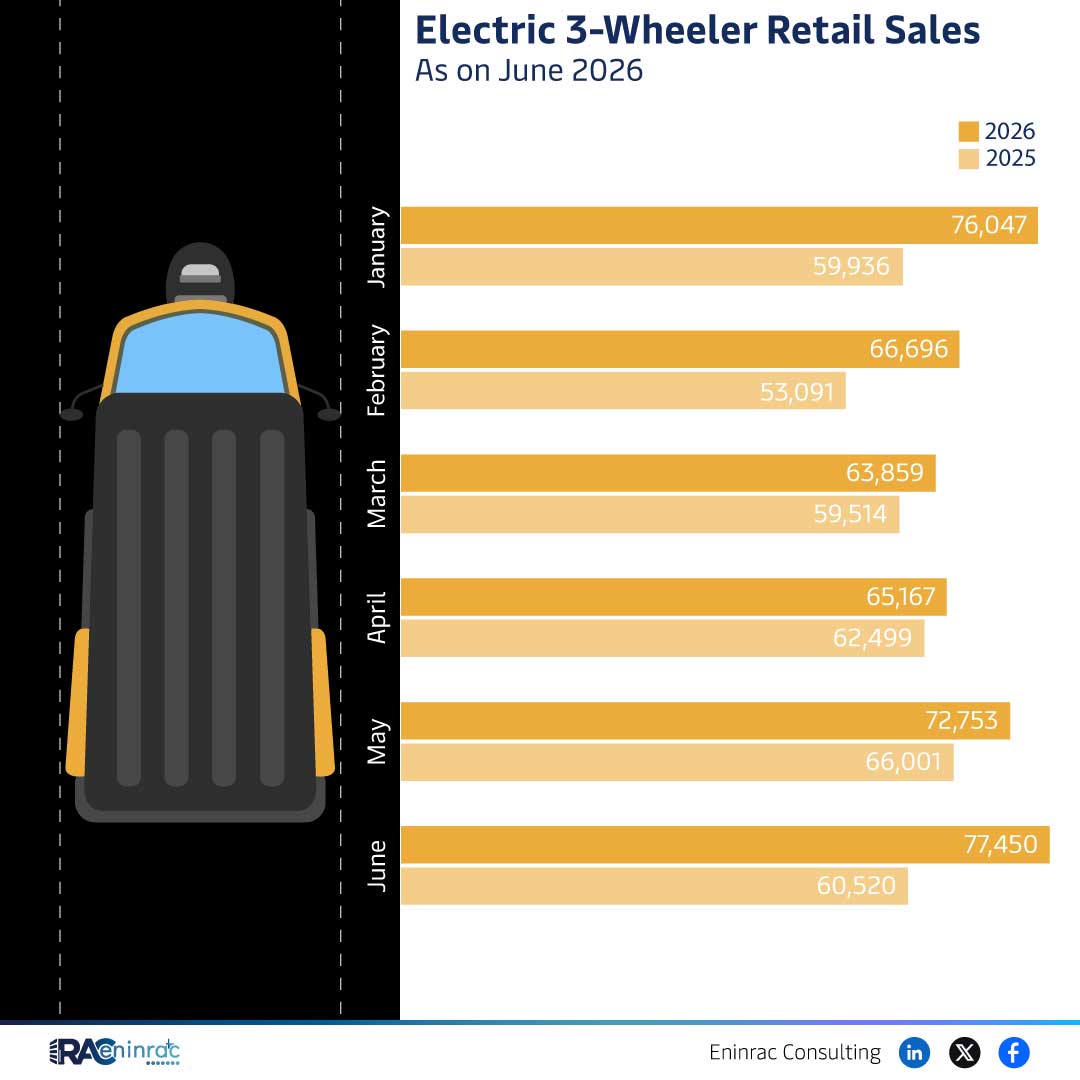
The raw figures show a steady increase in units sold from 2025 to 2026, with notable spikes in the months of January and May. The overall growth suggests that demand for electric 3‑wheelers is outpacing traditional two‑wheelers in many urban corridors. The data also indicates that consumer confidence is rising as charging infrastructure improves and battery costs continue to fall.
Monthly Sales Comparison for 2025 and 2026
In January 2026, sales exceeded the January 2025 figure by roughly 12 percent, reflecting early‑year promotional campaigns and the launch of several new models. February saw a modest rise, while April experienced a dip that aligns with seasonal purchasing patterns. May displayed the strongest month‑to‑month growth, driven by the introduction of higher‑range battery packs and expanded dealer networks. These monthly shifts underline the importance of timing product releases and aligning them with market incentives.
Impact on Sectors and Industries
Electric 3‑wheeler retail sales influence a range of sectors. Battery manufacturers benefit from increased volume orders, while component suppliers see higher demand for lightweight frames and efficient drivetrains. Urban logistics companies are adopting electric three‑wheelers for last‑mile deliveries, reducing emissions and operating costs. Policy makers can leverage the data to refine subsidies and zoning rules that support low‑speed electric vehicles, and investors gain insight into which manufacturers are gaining market share.
Key Takeaways
- Retail sales of electric 3‑wheelers grew consistently in the first half of 2026.
- January and May were the strongest months, showing the impact of new model launches.
- Seasonal dips in April align with typical purchasing cycles for small EVs.
- Improved battery technology directly contributed to higher sales volumes.
- Growth is supported by expanding urban charging infrastructure.
- Stakeholders across supply chains are feeling the positive ripple effects.
FAQs
Why are electric 3‑wheelers gaining popularity in 2026?
Affordability, improved range, and supportive city policies make them attractive for both personal transport and commercial use.
How does the 2026 sales growth compare to 2025?
Overall sales are up by roughly 10‑12 percent, with the biggest gains seen in January and May.
What role do battery advancements play in sales?
Higher energy density and lower costs allow manufacturers to offer longer range at competitive prices, boosting consumer confidence.
Which regions show the strongest demand?
Urban centers in Southeast Asia and South America are leading the adoption curve, driven by governmental incentives.
What should investors watch for in this market?
Key indicators include dealer network expansion, charging infrastructure rollout, and regulatory changes that affect subsidies.