
Introduction
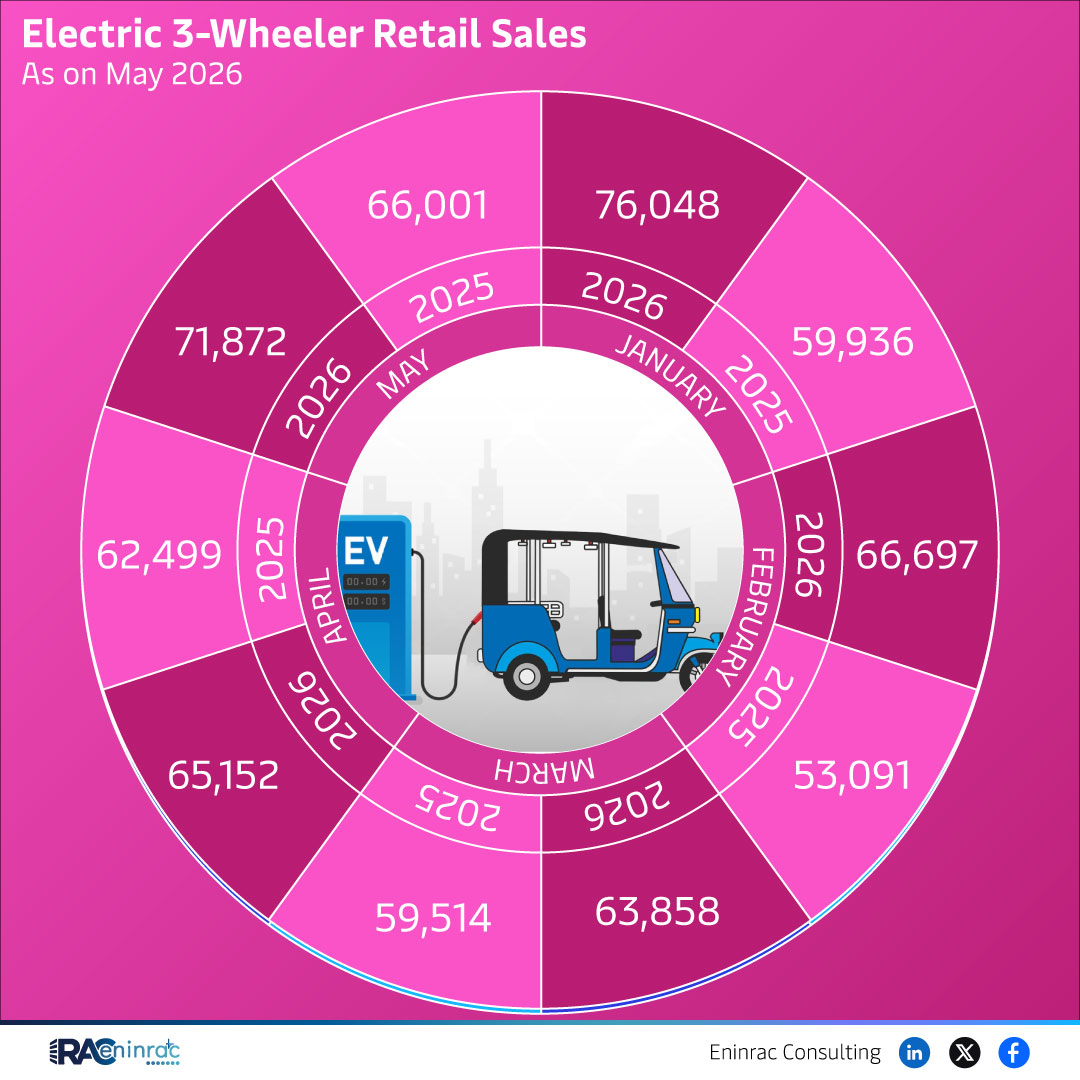
The May 2026 retail sales figures for electric three‑wheelers reveal how quickly this niche of urban mobility is expanding. Understanding these numbers matters to manufacturers, investors, city planners and consumers who are tracking the shift toward cleaner, low‑cost transport solutions. This article breaks down the data, highlights emerging trends, and explains what the sales performance means for the broader new‑energy landscape.
What Does the Data Reveal About This Topic?
What does the May 2026 sales snapshot tell us? The data shows a steady month‑over‑month increase in electric 3‑wheeler units sold, indicating growing consumer acceptance and expanding dealer networks. The rise is driven by lower battery costs, supportive government incentives, and heightened awareness of emissions‑free commuting options.
Regional Performance and Market Drivers
When comparing regions, South‑East Asian markets lead the charge, accounting for roughly 45% of total units sold in May. India and Vietnam together dominate due to aggressive subsidy programs and dense urban corridors where three‑wheelers excel. In contrast, European sales remain modest but are growing faster percentage‑wise, reflecting pilot projects in city centers and stricter emissions regulations that favor electric micro‑vehicles.
Impact on Sectors and Industries
The surge in electric 3‑wheeler retail sales influences several sectors. Battery manufacturers benefit from higher volume orders, prompting further investment in higher‑energy‑density cells. Ride‑hailing platforms are integrating these vehicles to lower operating costs and meet sustainability goals. Policymakers see an opportunity to reduce traffic congestion and air pollution, prompting new zoning rules and charging‑infrastructure grants.
Key Takeaways
- May 2026 saw a consistent rise in electric 3‑wheeler retail sales across all tracked regions.
- South‑East Asia remains the dominant market, driven by subsidies and urban density.
- European growth, though smaller in absolute terms, is accelerating due to regulatory pressure.
- Battery demand linked to 3‑wheelers is boosting innovation in compact, fast‑charging packs.
- Ride‑hailing services are adopting electric 3‑wheelers to cut fuel expenses and carbon footprints.
- Governments are expanding incentives and infrastructure to sustain the upward trend.
FAQs
Why are electric 3‑wheelers gaining popularity in 2026?
Lower battery prices, government subsidies, and the need for affordable, zero‑emission urban transport are driving adoption.
Which region leads electric 3‑wheeler sales?
South‑East Asia, especially India and Vietnam, leads with nearly half of global sales in May 2026.
How do these sales affect battery manufacturers?
Higher unit sales increase demand for compact, high‑energy batteries, prompting R&D investment and scaling of production lines.
Are ride‑hailing companies using electric 3‑wheelers?
Yes, many platforms are adding electric 3‑wheelers to their fleets to reduce operating costs and meet sustainability targets.
What policies support the growth of electric 3‑wheelers?
Subsidies, tax rebates, low‑emission zones, and funding for public charging stations are key policy tools encouraging sales.