
Introduction
The latest retail figures for electric two‑wheelers released in May 2026 show a rapid expansion of the market. Understanding these numbers helps manufacturers, investors, and policymakers gauge demand, plan production, and shape supportive policies. This article breaks down the data, highlights key trends, and explains the broader impact on the new energy ecosystem.
What Does the Data Reveal About This Topic?
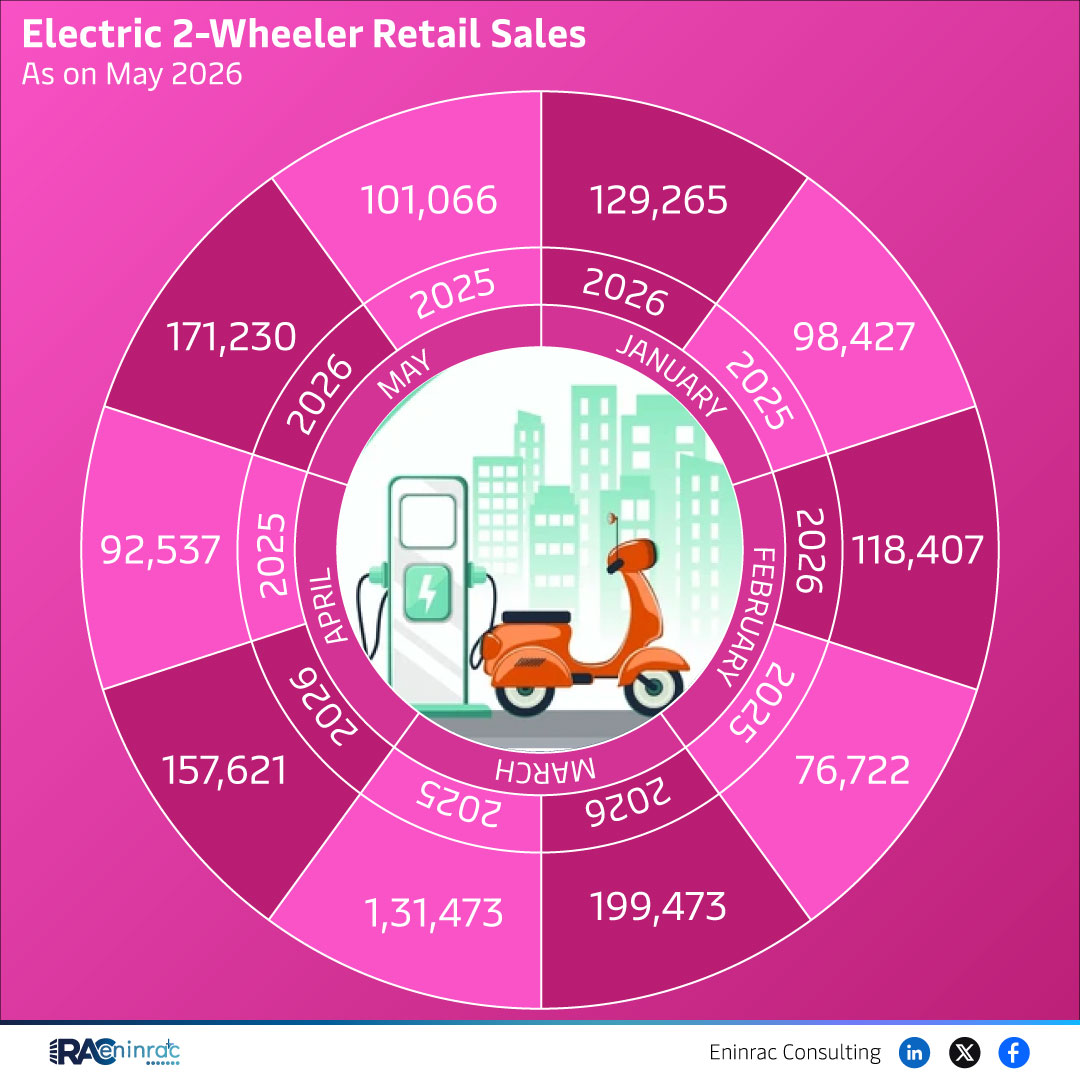
How significant is the growth of electric two‑wheelers in May 2026? The raw data lists three cumulative sales totals – 101,066 units, 129,265 units, and a combined figure of 199,473 units – indicating a strong upward trajectory across the reporting period. The increase suggests rising consumer acceptance and expanding distribution networks.
Regional and Segment Comparison
When the numbers are examined by region and vehicle segment, the largest share comes from densely populated urban areas where traffic congestion and emission regulations drive adoption. Emerging markets contribute a notable portion of the 129,265‑unit segment, while mature markets push the total toward 199,473 units. This split highlights where manufacturers should focus R&D and marketing resources.
Impact on Sectors and Industries
The surge in electric two‑wheelers influences several related sectors. Battery manufacturers see heightened demand for high‑energy‑density cells, prompting investment in EV battery production. Charging infrastructure providers must expand networks to accommodate daily commuter usage. Additionally, policy makers can leverage the data to justify incentives, while investors gain confidence in funding new energy ventures linked to two‑wheel mobility.
Key Takeaways
- Retail sales reached 199,473 units by May 2026, marking robust growth.
- Urban centers drive the majority of sales, reflecting policy and congestion pressures.
- Emerging markets contribute significantly to the 129,265‑unit segment.
- Battery demand is accelerating, encouraging new production capacity.
- Charging infrastructure expansion is essential to sustain momentum.
- Investors view electric two‑wheelers as a high‑growth segment within new energy.
FAQs
What caused the jump to 199,473 units?
Increased consumer awareness, supportive subsidies, and expanded dealer networks boosted sales.
Which regions lead the growth?
Major Asian cities and European urban areas show the highest adoption rates.
How does this affect battery manufacturers?
Higher sales translate to greater demand for lithium‑ion cells, prompting capacity expansions.
What role do government policies play?
Incentives, low‑emission zones, and tax breaks accelerate consumer purchases.
Is the trend expected to continue?
Analysts project continued growth as infrastructure improves and prices fall.