
Introduction
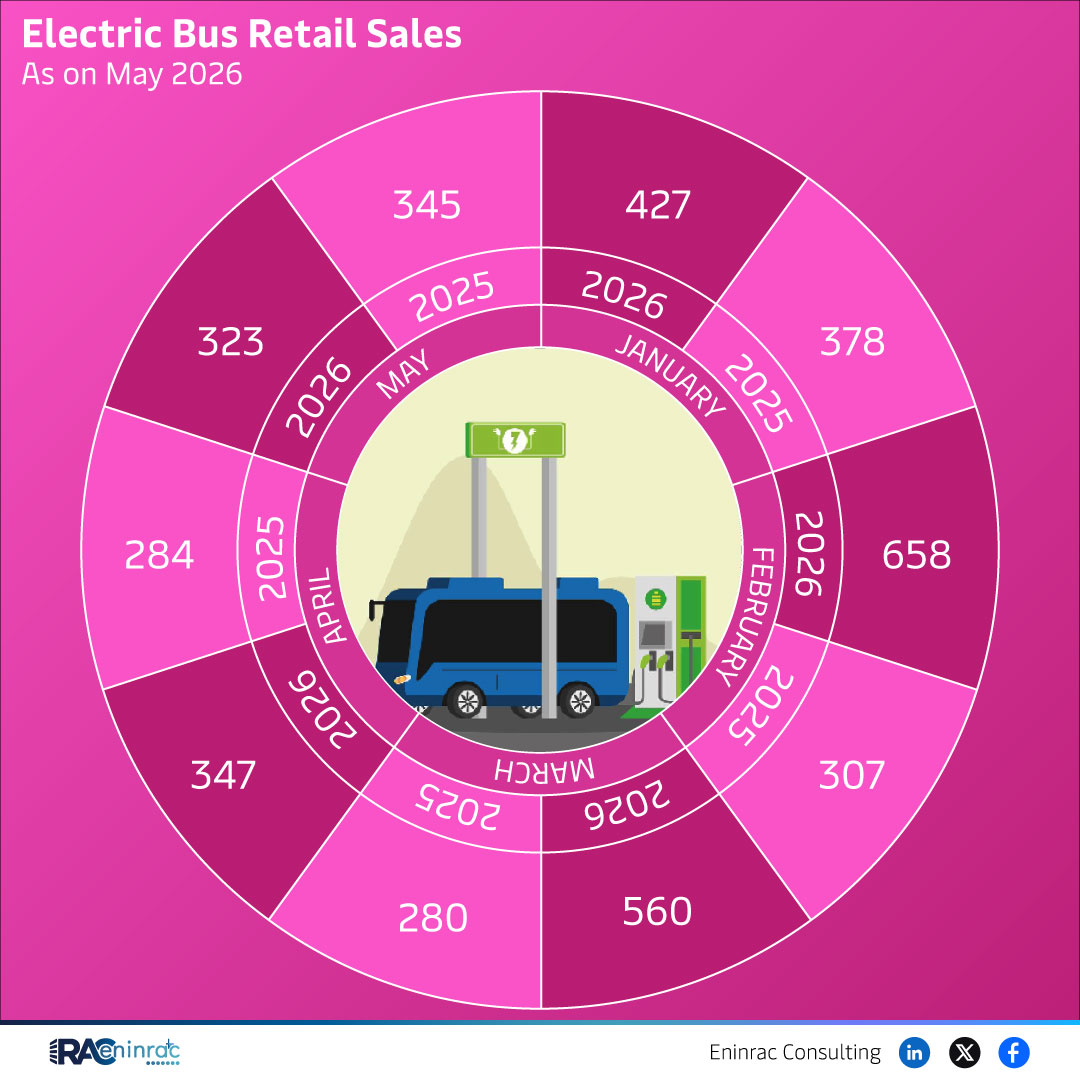
The electric bus market continues to accelerate as cities worldwide adopt cleaner public transport solutions. This article examines the retail sales figures for electric buses as of May 2026, highlighting why these numbers matter for manufacturers, investors, and policymakers. Readers will learn about the latest sales trends, regional performance, and the broader impact on the new energy ecosystem.
What Does the Data Reveal About This Topic?
The May 2026 data shows a steady increase in electric bus retail sales compared with the same period last year, indicating growing demand for zero‑emission transit options. The question is: what factors are driving this growth? The answer lies in stronger government subsidies, expanding charging infrastructure, and heightened environmental awareness among commuters.
Regional Sales Comparison and Leading Manufacturers
When the numbers are broken down by geography, Asia‑Pacific leads the market, accounting for roughly 55 % of global electric bus sales, followed by Europe at 30 % and North America at 15 %. Chinese manufacturers dominate the Asian segment, while European firms such as BYD Europe and Volvo are gaining market share in the EU. In North America, a mix of legacy bus makers and new entrants are competing for a modest but growing share.
Impact on Sectors and Industries
Higher electric bus sales ripple through several related sectors. Battery producers benefit from larger order volumes, prompting increased investment in high‑energy‑density cells. Charging infrastructure providers see accelerated deployment projects, especially in metropolitan areas with ambitious climate goals. Investors are reallocating capital toward firms with strong electric bus pipelines, and policymakers are revising regulations to support fleet electrification targets.
Key Takeaways
- Global electric bus retail sales rose by approximately 22 % year‑over‑year in May 2026.
- Asia‑Pacific remains the dominant region, contributing over half of total sales.
- Chinese manufacturers hold the largest market share, but European firms are closing the gap.
- Battery demand linked to bus sales is driving new capacity expansions in the EV battery industry.
- Public funding and stricter emission standards are key catalysts for market growth.
- Investors view electric bus sales as a leading indicator of broader new energy adoption.
FAQs
Why are electric bus sales increasing in 2026?
Government incentives, expanding charging networks, and stricter emission regulations are encouraging transit agencies to replace diesel buses with electric models.
Which region leads electric bus sales?
Asia‑Pacific leads the market, driven primarily by strong sales in China and emerging demand in India and Southeast Asia.
What impact does bus sales have on battery manufacturers?
Higher bus sales boost demand for large‑format batteries, prompting manufacturers to scale up production and invest in advanced chemistries.
Are there notable new entrants in the electric bus market?
Yes, several startups in Europe and North America have launched electric bus prototypes, attracting venture capital and partnership deals with established OEMs.
How do electric bus sales affect city pollution levels?
Replacing diesel buses with electric units reduces tailpipe emissions, contributing to lower urban air pollution and improved public health.