
Introduction
This article examines the April 2026 coal import figures for thermal power plants across Indian states, central utilities and independent power producers (IPPs). Understanding coal consumption patterns helps stakeholders gauge fuel security, pricing pressures and the role of coal in India’s energy mix.
What Does the Data Reveal About This Topic?
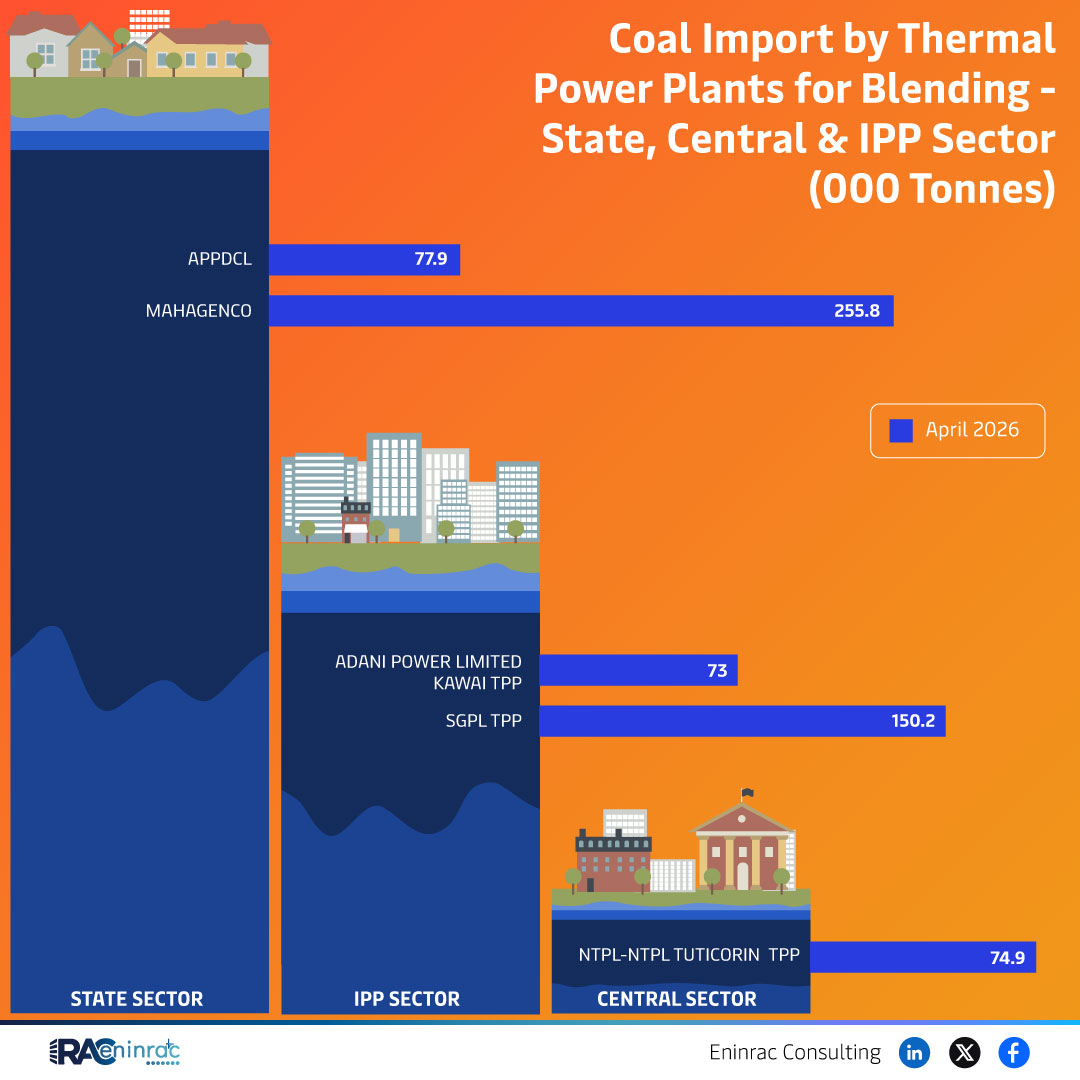
The raw data shows that ADANI POWER LIMITED, KAW and SGPLTPP are among the top importers, indicating a strong reliance on imported coal for power generation in April 2026. The figures, expressed in thousand tonnes, highlight regional demand differences and the importance of coal blending strategies.
Regional and Sectoral Comparison of Coal Imports
When comparing state‑run utilities with central and IPP sectors, state utilities tend to import slightly less coal per plant, while IPPs such as ADANI POWER LIMITED show higher import volumes to meet contractual supply obligations. Central sector plants display moderate import levels, reflecting a balanced approach between domestic coal use and imports.
Impact on Sectors and Industries
High coal import volumes affect multiple stakeholders. Power generators must manage price volatility and logistics costs, while policymakers monitor import dependence to ensure energy security. Investors watch these trends to assess risk in conventional energy assets, and equipment manufacturers adapt to the blending requirements of different coal grades.
Key Takeaways
- ADANI POWER LIMITED leads in coal imports for April 2026.
- IPPs generally import more coal than state‑run utilities.
- Regional demand varies, with some states showing higher reliance on imported coal.
- Coal blending remains a critical operational practice.
- Import volumes influence power pricing and market stability.
- Policymakers need to balance import dependence with domestic coal development.
FAQs
Why do Indian power plants import coal?
Imports fill gaps when domestic production cannot meet quality or quantity requirements for reliable power generation.
Which sector imports the most coal?
Independent power producers, especially large private firms, tend to import the highest volumes.
How does coal blending affect plant performance?
Blending optimizes fuel quality, improves combustion efficiency and reduces emissions.
What risks are associated with high coal imports?
Risks include price volatility, supply chain disruptions and increased dependence on foreign markets.
Will coal imports decline as renewable energy grows?
Gradual decline is expected, but coal will likely remain a significant part of the mix during the transition period.