
Introduction
The Bharatmala program is one of India’s most ambitious highway development initiatives, aiming to improve connectivity across the nation. Recent state‑wise progress data highlights how several key states are advancing road construction, with specific figures for length constructed and awarded up to 30 June 2024. Understanding these numbers is essential for investors, policymakers, and the general public who follow infrastructure development trends. This overview explains the significance of the data, compares performance across states such as Maharashtra, Gujarat, Madhya Pradesh, Goa and Chhattisgarh, and outlines the broader impact on related sectors. Readers will gain insight into how the Bharatmala project is shaping India’s transport landscape.
What Does the Data Reveal About This Topic?
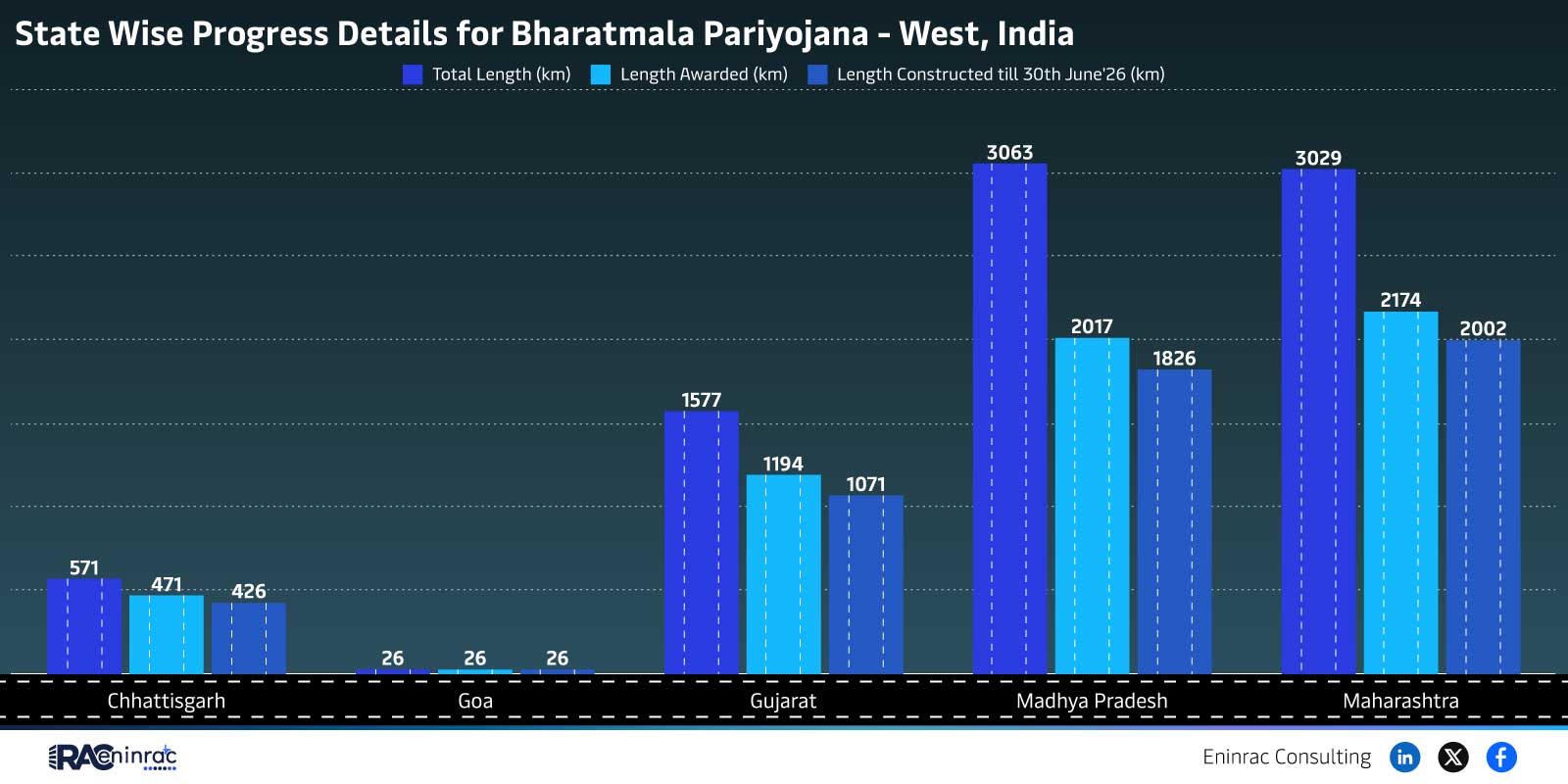
What does the latest Bharatmala state‑wise progress data indicate? It shows that Maharashtra leads with the highest constructed road length, followed closely by Gujarat and Madhya Pradesh. The figures also differentiate between kilometers awarded for new projects and those already built, providing a clear picture of execution speed. The data up to 30 June 2024 suggests a steady acceleration in road development, with several states meeting or exceeding their targets. It also reveals gaps where certain regions lag, emphasizing the need for targeted interventions and additional funding to maintain nationwide momentum.
State‑wise Road Construction Highlights
Comparing the states, Maharashtra records the longest constructed stretch, reflecting its strategic importance as a commercial hub. Gujarat follows with substantial awarded kilometers, indicating aggressive future expansion plans. Madhya Pradesh shows a balanced mix of awarded and constructed lengths, suggesting efficient project rollout. Goa and Chhattisgarh, while smaller in total kilometers, demonstrate notable progress relative to their geographic size, highlighting focused regional development. These variations illustrate how economic priorities, geographic challenges, and state-level planning influence the pace of Bharatmala implementation across India.
Impact on Sectors and Industries
The advancement of Bharatmala highways directly influences logistics, manufacturing, tourism, and real estate sectors. Improved road networks reduce transit times, lower transportation costs, and attract new investments in industrial corridors. For logistics firms, enhanced connectivity translates into more reliable supply chains, while manufacturers benefit from easier access to raw material sources and markets. Tourism hotspots in Goa and other states experience increased visitor flow, boosting local economies. Real estate developers respond to growing demand for commercial and residential projects near upgraded corridors, creating a ripple effect that fuels job creation and economic growth nationwide.
Key Takeaways
- Maharashtra leads in constructed road length under Bharatmala.
- Gujarat shows the highest awarded kilometers for future projects.
- Madhya Pradesh balances awarded and constructed lengths, indicating efficient execution.
- Goa and Chhattisgarh make significant progress relative to their size.
- Improved highways lower logistics costs and attract industry investment.
- Infrastructure growth supports tourism, real estate, and regional economic development.
FAQs
Which state has the longest road length constructed under Bharatmala?
Maharashtra currently records the longest road length constructed.
What does "length awarded" refer to in the data?
It represents the total kilometers approved for future construction projects.
How does Bharatmala affect logistics costs?
Better highways reduce travel time and fuel consumption, thereby lowering logistics expenses.
When was the latest progress data compiled?
The data reflects construction status up to 30 June 2024.
Why are smaller states like Goa still important?
Even modest road extensions improve regional connectivity and boost tourism and local trade.