
Introduction
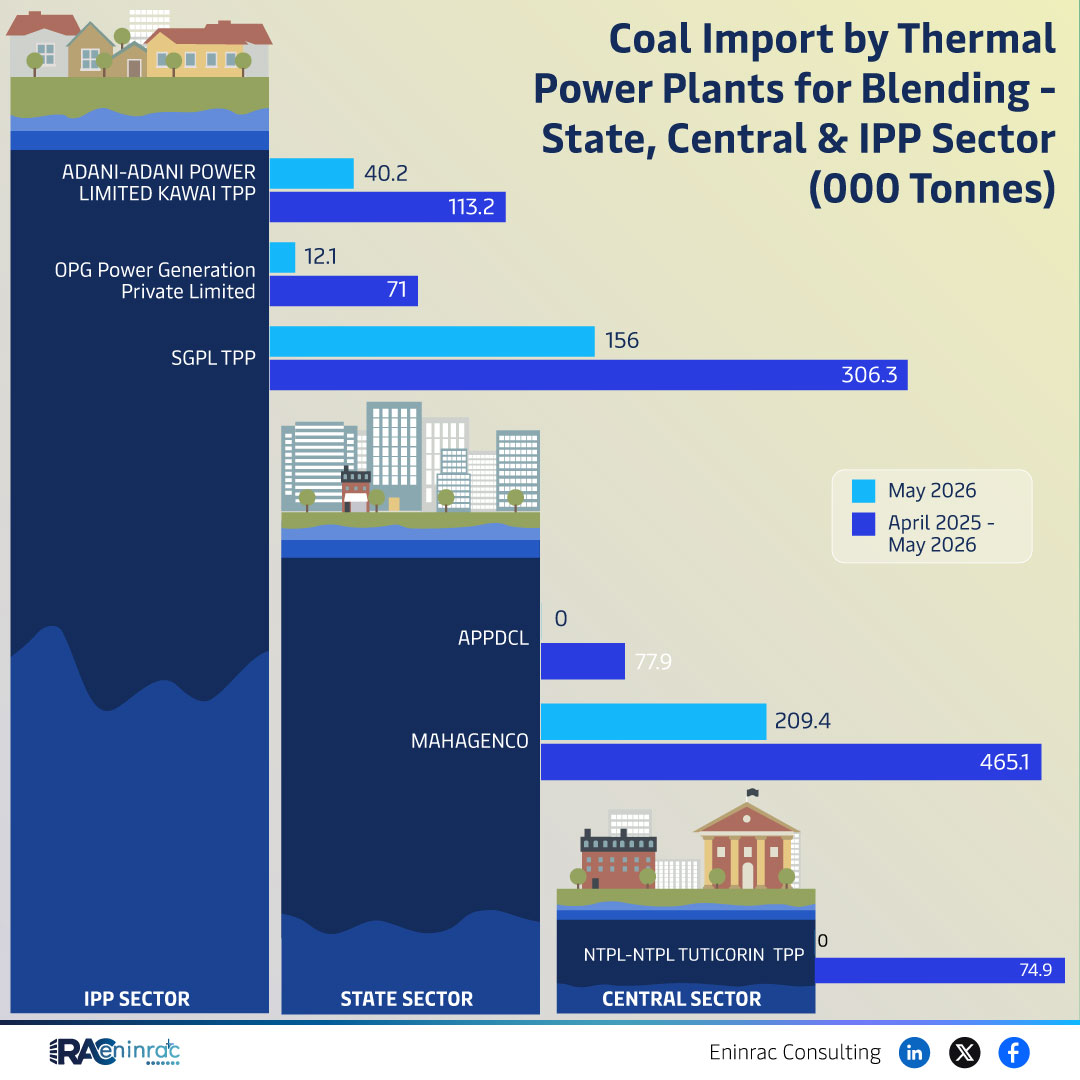
India’s thermal power sector relies heavily on imported coal to meet growing electricity demand. Recent data on coal import by thermal power plants for blending highlights volumes allocated across state, central and independent power producer (IPP) sectors. Understanding these figures helps stakeholders assess supply security, price pressures and future investment needs. This article breaks down the latest import numbers, examines the key players such as OPG Power Generation, SGPLTPP and Mahagenco, and explains why blending strategies matter for plant efficiency and emissions compliance.
What Does the Data Reveal About This Topic?
The data shows that coal imports for blending reached 209.4 thousand tonnes between April 2025 and May 2026, with a notable contribution of 156 thousand tonnes from private entities like OPG Power Generation. This raises questions about the balance between domestic coal production and reliance on imports, especially for the IPP sector that often seeks higher‑grade coal to improve plant performance. The figures also suggest a shifting pattern where state‑owned utilities are increasingly supplementing their coal mix with imported supplies to offset shortfalls in local mining output.
Regional and Sectoral Breakdown of Coal Imports
When comparing the three sectors, the IPP segment shows the highest proportion of imported coal, driven by contracts that prioritize low‑ash, high‑calorific value blends. State‑run utilities, while still dominant in overall consumption, are allocating a smaller share of imports, focusing instead on domestic coal from established mines. The central sector occupies a middle ground, balancing policy directives for energy security with market‑driven procurement. Geographically, regions served by OPG Power Generation and SGPLTPP report the largest imported volumes, reflecting their proximity to major ports and logistical advantages. Mahagenco’s reported imports indicate a strategic move toward diversifying fuel sources to mitigate regional supply disruptions.
Impact on Sectors and Industries
These import trends influence the broader energy landscape. For investors, higher imported coal volumes signal potential cost volatility tied to international market fluctuations, prompting a reassessment of project economics. Policymakers must consider the environmental implications of blending imported coal with domestic supplies, as variations in ash content can affect emissions standards compliance. Power plant operators benefit from blending by achieving more stable combustion efficiency, which can lower operating costs and improve grid reliability. Meanwhile, logistics providers experience increased demand for port handling, rail transport and storage infrastructure, creating ancillary business opportunities.
Key Takeaways
- Imported coal for blending reached 209.4 thousand tonnes from April 2025 to May 2026.
- IPP sector consumes the highest share of imported coal to meet efficiency goals.
- State utilities rely more on domestic coal, using imports selectively for quality improvement.
- Major private players like OPG Power Generation and SGPLTPP dominate import volumes.
- Blending strategies help manage plant emissions and reduce fuel‑related operational risks.
- Logistics and infrastructure sectors see growth due to increased import handling needs.
FAQs
Why do thermal power plants use imported coal for blending?
Imported coal often has lower ash and higher calorific value, which improves combustion efficiency and reduces emissions compared with some domestic grades.
Which sector imports the most coal in India?
The independent power producer (IPP) sector imports the largest proportion of coal for blending to meet performance targets.
How does coal import affect electricity prices?
Higher import volumes can increase price volatility because domestic rates become linked to global market fluctuations and currency movements.
What are the environmental implications of coal blending?
Blending can lower overall ash content, helping plants meet stricter emission standards, but it also adds complexity to fuel management and may increase carbon footprint if sourced from distant mines.
Will domestic coal production decrease due to rising imports?
Domestic production remains essential, but imports supplement supply gaps and quality needs, especially during peak demand periods or when local mines face operational challenges.