
Introduction
India’s power landscape continues to rely heavily on conventional thermal generation, and the list of projects such as Adani Power Limited’s Mundra units, JSW Ratnagiri, Udupi and several state‑run stations provides a clear snapshot of current capacity. This article examines the raw data, explains why these assets matter, and outlines the insights that investors, policymakers and industry observers can draw from them.
What Does the Data Reveal About This Topic?
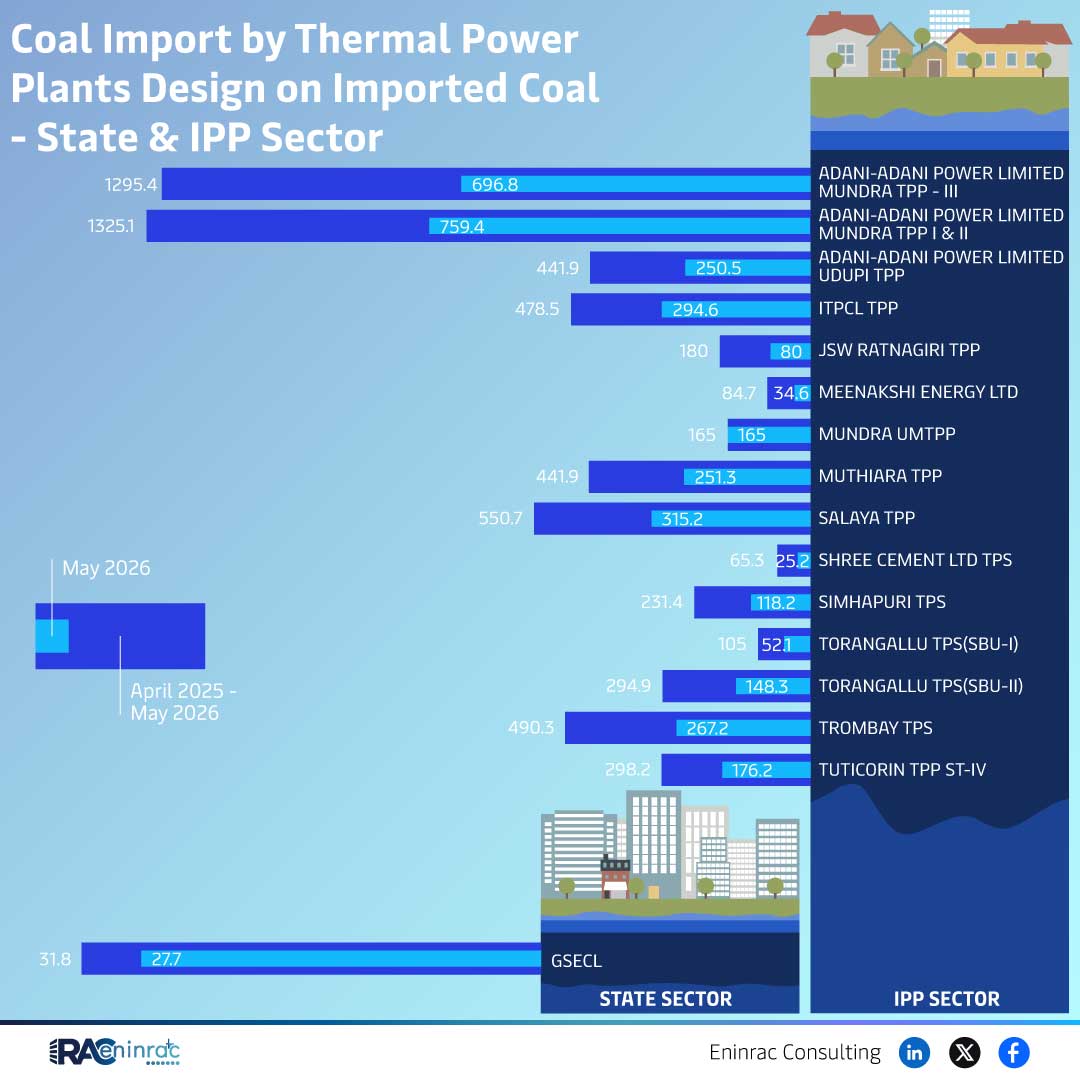
The data shows a concentration of large‑scale coal‑fired and gas‑fired plants in western and southern India, with multiple phases at Mundra, a growing presence of private players like Adani and JSW, and continued involvement of state entities such as GSECL and the State Sector IPP segment. In question form: What does the distribution of these conventional power plants tell us about regional energy strategies? The answer points to a focus on baseload reliability and incremental capacity expansion to meet growing demand.
Major Conventional Power Plant Projects in India
Among the entries, Adani’s Mundra TPP – III and – II represent the country’s single largest privatized coal capacity, each adding several hundred megawatts to the national grid. The Mundra UMTPP, a combined‑cycle unit, highlights a shift toward higher efficiency. JSW Ratnagiri TPP contributes additional thermal output in the western corridor, while Udupi TPP and ITPCLTPP serve Karnataka’s coastal demand. Smaller stations such as Meenakshi Energy Ltd., Muthira TPP and Salaya TPP illustrate the fragmented nature of private thermal projects, often tied to specific industrial zones. State‑run assets like GSECL and the generic ‘State Sector IPP’ entry reflect continued public sector participation, ensuring geographic coverage in less‑served areas. Overall, the portfolio balances massive private mega‑plants with numerous mid‑size and regional facilities, creating a diversified yet coal‑heavy generation mix.
Impact on Sectors and Industries
The dominance of conventional power plants directly influences India’s electricity pricing, fuel procurement policies and emissions targets. Utilities that purchase bulk coal benefit from economies of scale, while industries located near plants gain reliable power at lower tariffs. Investors monitor the capacity additions for clues on future cash flows and debt servicing, especially in projects linked to long‑term power purchase agreements. Policymakers must reconcile the need for baseload security with commitments to renewable integration, prompting incentives for retrofits and efficiency upgrades in older TPPs. Moreover, the presence of consulting firms such as Eninrac Consulting indicates a growing market for advisory services around project financing, regulatory compliance and environmental impact assessments.
Key Takeaways
- Adani’s Mundra phases III and II are the largest private coal‑fired assets in India.
- JSW Ratnagiri adds significant thermal capacity in the western region.
- State entities like GSECL continue to operate key regional power stations.
- Combined‑cycle units such as Mundra UMTPP signal a shift toward higher efficiency.
- The portfolio mixes mega‑plants with numerous mid‑size projects, maintaining baseload reliability.
- Consulting services are expanding to support financing and compliance for conventional projects.
FAQs
Which private companies dominate India’s conventional power plant sector?
Adani Power and JSW are the leading private owners of large coal‑fired plants.
How many phases does the Mundra TPP have?
The data lists at least three phases: Mundra TPP – II, Mundra TPP – III, and Mundra UMTPP.
What role do state utilities play in the conventional energy mix?
State utilities operate several regional thermal stations, ensuring coverage in areas where private investment is limited.
Are there any moves toward cleaner technology in these plants?
Combined‑cycle units like Mundra UMTPP improve efficiency, and many older plants are considering retrofits to reduce emissions.
How does this data affect investment decisions?
Investors use capacity and ownership information to assess cash‑flow stability, regulatory risk and alignment with ESG goals.