
Introduction
The Indian power sector relies heavily on coal to generate electricity, and recent data on coal import by thermal power plants offers a clear view of how blending practices are evolving across state, central and independent power producer (IPP) sectors. This information is crucial for investors, policymakers, and industry analysts who need to understand supply dynamics, cost implications and environmental considerations. In this article we break down the latest figures, explain what they mean for the market and outline the key takeaways you can apply to strategic decisions.
What Does the Data Reveal About Coal Import by Thermal Power Plants?
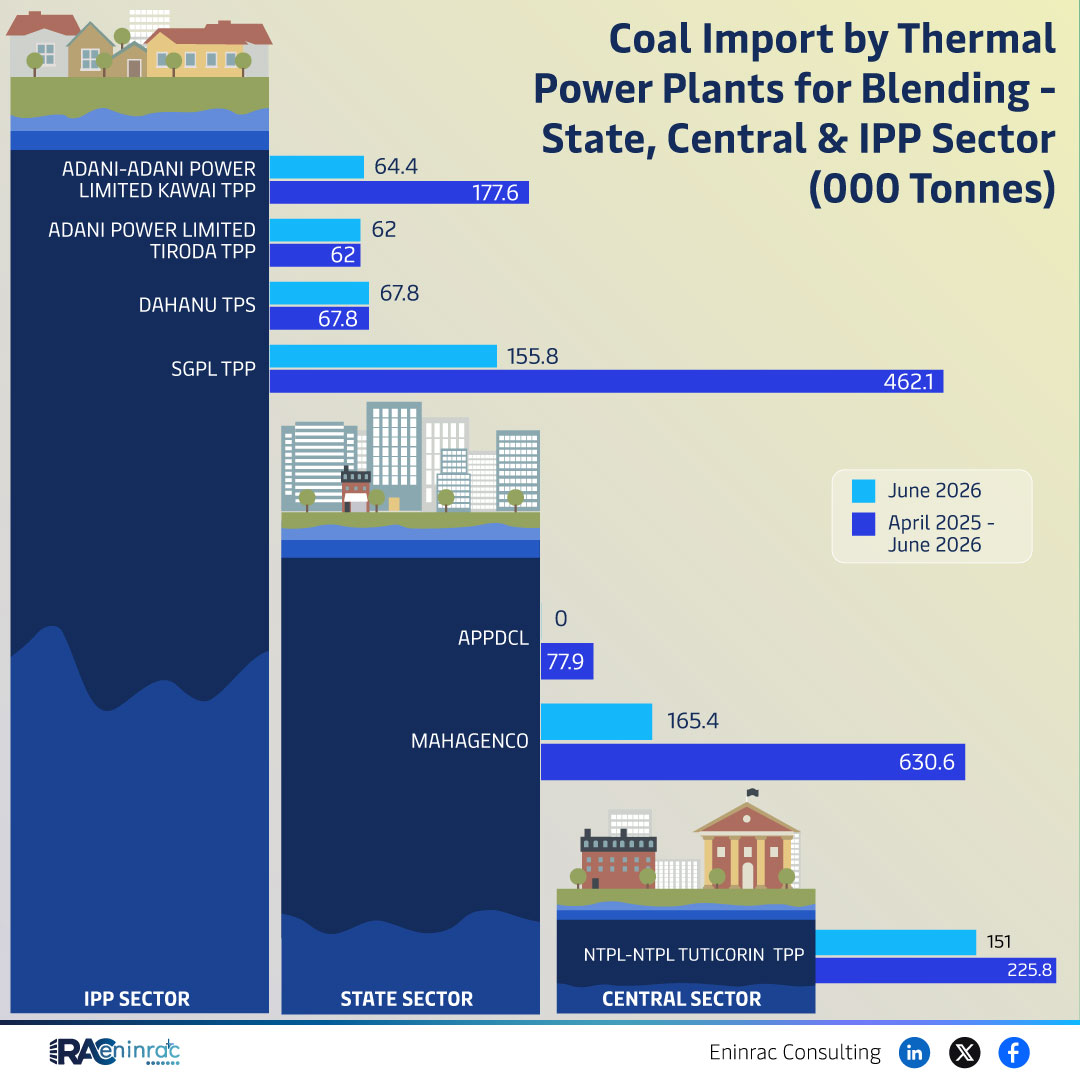
When asked how much coal is being imported for blending in 2025‑2026, the answer lies in the peer‑level reporting that shows a total of 165.4 thousand tonnes moved during the June 2026 reporting window, with earlier figures from April 2025 indicating a similar scale. The data captures contributions from major generators such as Adani Power Limited, Tiroda TPP, Dhanau TPS and SGPLTPP, as well as smaller participants like Mahagenco and NTPL. Overall, the numbers confirm that coal import remains a steady component of thermal power generation, supporting blending strategies that aim to balance quality, price and availability.
Comparative Analysis of State, Central and IPP Sector Blending Volumes
State‑owned plants, central government projects and IPP facilities each display distinct blending patterns. State utilities tend to import larger volumes to meet baseload commitments, while central sector projects often use a mix of domestic and imported coal to manage geopolitical risks. IPP operators such as Adani Power and NTPL show a more aggressive import stance, reflecting their need for flexible fuel sources to optimise plant efficiency. When comparing the June 2026 snapshot to the April 2025 period, the central sector’s imports grew modestly, whereas the IPP sector displayed a sharper increase, suggesting a strategic shift toward greater reliance on imported coal for blending.
Impact on Sectors and Industries
The continued flow of imported coal influences several downstream and upstream segments. Power generators benefit from a stable supply that supports plant availability and reduces the risk of unplanned outages. Coal traders and logistics providers see sustained demand for freight services, storage facilities and quality‑control testing. Financial markets respond to the data with adjusted risk premiums for energy stocks, especially those with high exposure to import‑linked fuel costs. Policymakers must balance the need for energy security against environmental goals, as blending imported coal can affect emission profiles and compliance with national climate targets.
Key Takeaways
- The total coal import for blending reached 165.4 thousand tonnes in the June 2026 reporting period.
- State, central and IPP sectors show varied import strategies, with IPP operators leading growth.
- Adani Power Limited, Tiroda TPP and Dhanau TPS are among the top contributors to imported coal volumes.
- Blending practices help manage fuel quality and price volatility across the power generation mix.
- Increased imports affect logistics, trading activity and financial risk assessments in the energy market.
- Policymakers need to align import reliance with emission reduction commitments.
FAQs
What is coal blending in thermal power plants?
Coal blending mixes imported and domestic coal to achieve the desired calorific value, reduce emissions and manage fuel costs.
Why do IPP operators import more coal than state utilities?
IPP operators often pursue aggressive import strategies to secure flexible fuel supplies that support higher efficiency and competitive pricing.
How does coal import affect electricity pricing?
Import costs influence the overall cost of generation, which can be reflected in tariff adjustments and market price fluctuations.
What environmental concerns are linked to coal blending?
Blending can impact emissions of sulfur dioxide, nitrogen oxides and carbon dioxide, requiring careful monitoring to meet regulatory standards.
Will the trend of coal import continue in the next years?
Given current demand for reliable power and the pace of renewable integration, imports are likely to remain a critical component of the fuel mix for the near future.