
Introduction
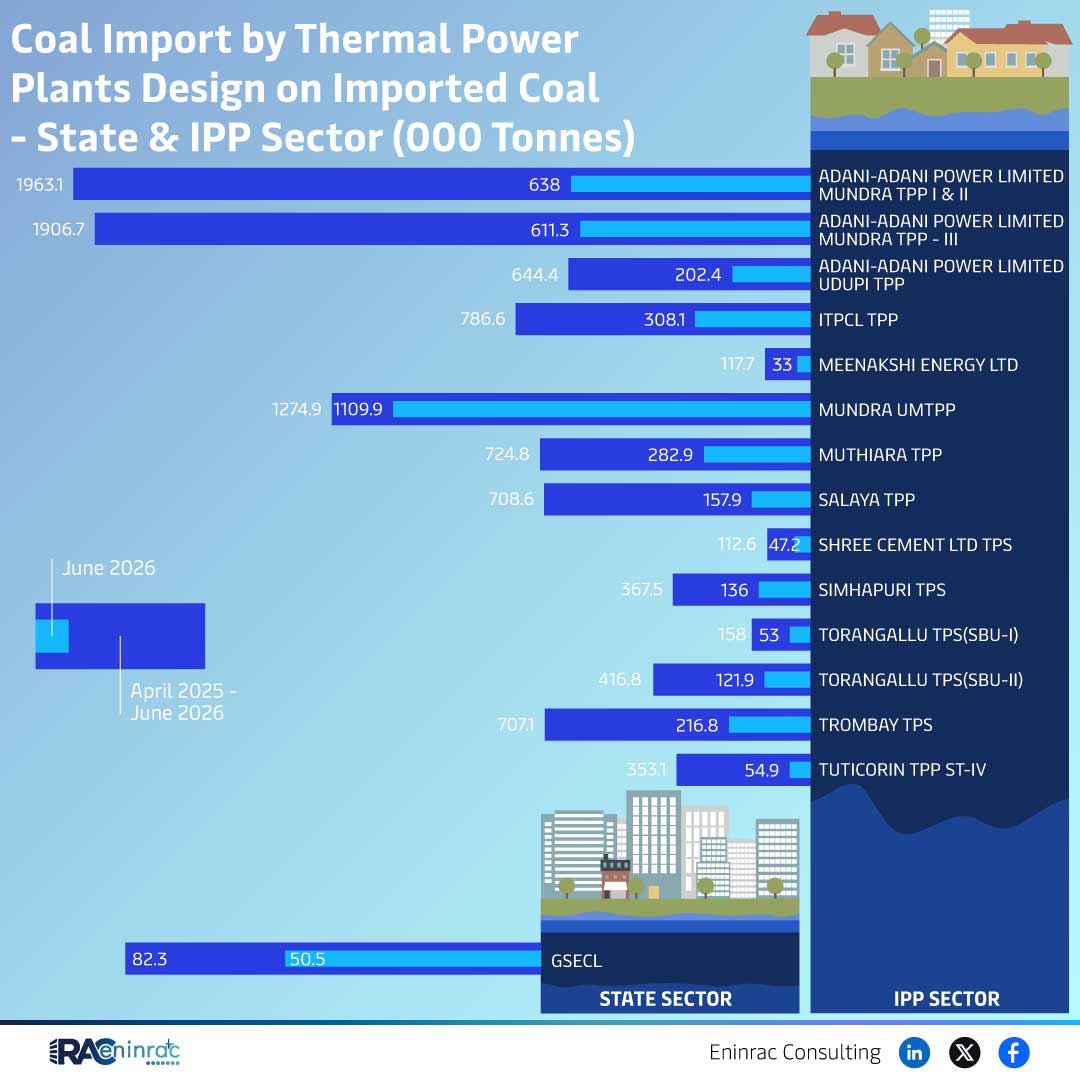
The list of assets such as Adani Power Limited, Mundra TPP, Udupi TPP, ITPCL TPP, Meenakshi Energy Ltd, and several thermal power stations (TPS) across India highlights the breadth of the country’s conventional power plant portfolio. These projects represent a mix of privately owned and state‑run facilities that continue to supply the majority of baseload electricity. Understanding their distribution, ownership, and operational status is essential for investors, policymakers, and industry analysts who monitor India’s energy security and future capacity planning.
What Does the Data Reveal About This Topic?
What does the data reveal about India’s conventional power plant landscape? It shows a concentration of thermal power projects in key industrial regions, with major players like Adani Power and GSECL operating multiple sites. The presence of consulting firms such as Eninrac Consulting indicates ongoing advisory and optimization activities. Overall, the data underscores the reliance on coal‑fired and gas‑fired plants to meet demand while highlighting opportunities for efficiency upgrades and potential transition pathways.
Regional Distribution of Conventional Power Plant Assets
The entries span several states, including Gujarat (Mundra TPP, Salaya TPP), Karnataka (Udupi TPP, Simhapuri TPS), Tamil Nadu (Trombay TPS), and Andhra Pradesh (Tuticorin TPP). This geographic spread reflects the strategic placement of plants near coal supplies, ports, and industrial load centers. Gujarat hosts multiple large‑scale projects, indicating its role as a hub for power generation, while southern states show a mix of older and newer units. Such regional patterns help assess grid reliability and regional investment needs.
Impact on Sectors and Industries
Conventional power plants influence a wide range of sectors. They provide reliable electricity to manufacturing, mining, and transportation, supporting economic growth. Investors track these assets for stable cash flows, while regulators assess emissions and compliance with environmental standards. The continued operation of thermal plants also affects fuel markets, especially coal imports and domestic production. Moreover, the presence of consulting services points to ongoing efforts to improve plant efficiency, reduce carbon intensity, and explore hybridization with renewable sources.
Key Takeaways
- India’s conventional power plant portfolio remains extensive and regionally diverse.
- Major private and public owners dominate the thermal generation segment.
- Geographic concentration in Gujarat and Southern states supports industrial demand.
- Consulting firms are active in optimizing plant performance and compliance.
- Thermal plants continue to be critical for baseload electricity supply.
- Future strategies may involve efficiency upgrades and gradual integration with renewables.
FAQs
Which companies operate the largest conventional power plants in India?
Adani Power, GSECL, and Meenakshi Energy are among the largest operators of coal‑fired and gas‑fired plants.
What regions have the highest concentration of thermal power stations?
Gujarat, Karnataka, Tamil Nadu and Andhra Pradesh host the majority of listed facilities.
How do conventional power plants affect India’s energy security?
They provide dependable baseload power, ensuring stable supply for industry and households.
Are there plans to modernize or retire any of these plants?
Many operators are pursuing efficiency retrofits and considering phased retirement aligned with environmental goals.
What role does Eninrac Consulting play in this sector?
The firm offers advisory services on performance optimization, regulatory compliance, and transition planning for power assets.